The Lodging Conference C-Suite Panel Signals Industry's Next Moves
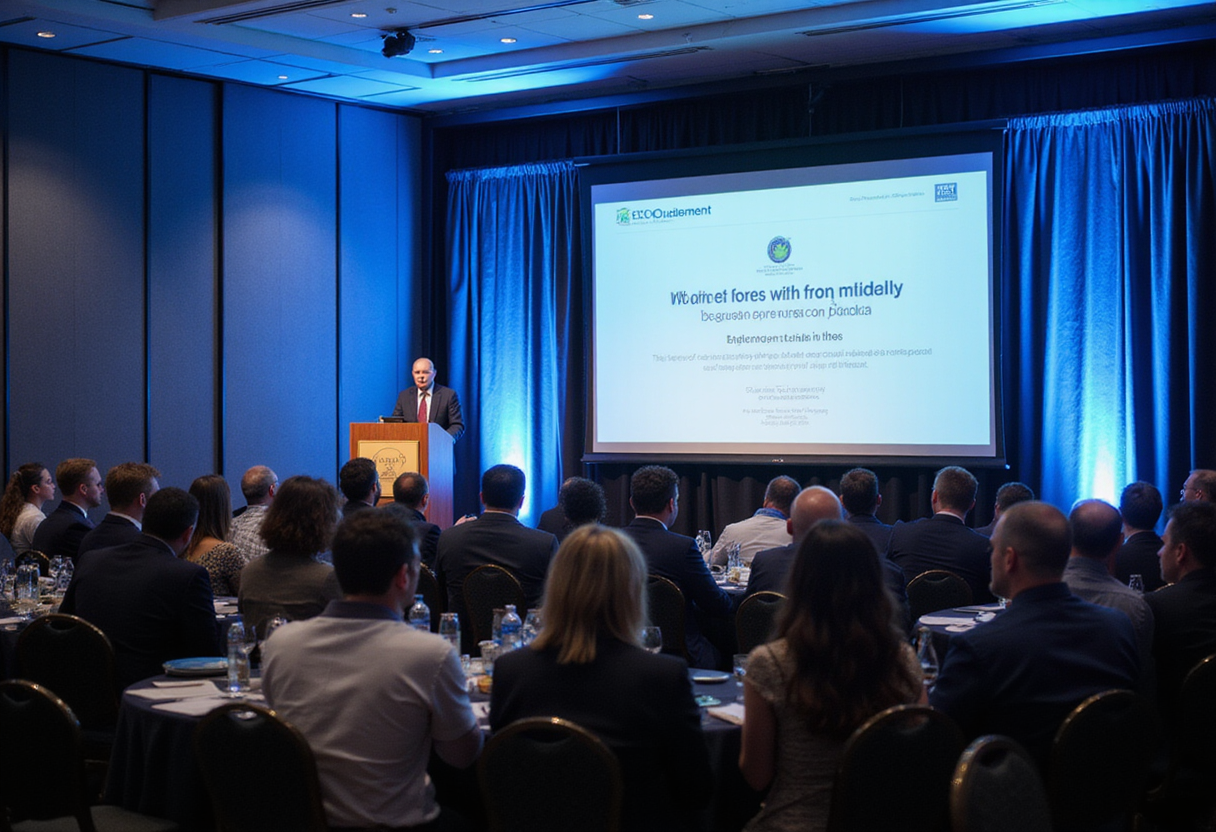
Hotel chief executives used the C-Suite Update at The Lodging Conference to sketch the industry's direction, framing the moment as one of building momentum.
The Lodging Conference convened its C-Suite Update this week, a session the trade treats as an annual read on where hotel ownership and operations are heading. The panel carries weight because of who sits on it: chief executives and senior operators whose capital decisions set pricing, staffing and brand strategy across franchised and managed portfolios in the U.S. hotel sector.
This year's framing, per LODGING Magazine's coverage, was "building on momentum." That phrasing matters. It positions the industry as past recovery and into compounding — a claim executives now have to defend with operating numbers rather than narrative.
What does the panel actually signal?
Conferences produce talk. The C-Suite Update produces direction. When CEOs of major brands and ownership groups share a stage, the market watches for three things: where capital is flowing, which segments they consider over- or under-supplied, and what they say about labor and technology spending.
The session title itself tells us the executives chose an optimistic register. After several years of demand volatility, rate-driven gains and cost pressure across food-and-beverage and rooms operations, "momentum" is a deliberate word choice. It implies executives see runway in current pricing power.
Why this matters for operators
Hotel F&B is one of the margin levers executives discuss at these sessions. Banquet and catering revenue, breakfast programs and lobby food halls all sit in the same P&L that the C-Suite panel influences through brand standards and fee structures. When leadership signals confidence, owners typically greenlight renovation cycles and amenity investment. When they signal caution, capital expenditure freezes follow within quarters.
The audience at The Lodging Conference skews toward owners and franchisees rather than corporate staff. That composition shapes what gets said. Executives speaking to owners tend to emphasize fee relief, technology that reduces labor hours, and franchisee economics (the split of revenue between brand and operator after royalties and assessments).
The context behind the optimism
The hotel industry has spent the past several years rebuilding occupancy while pushing average daily rate to records in many markets. That combination flatters revenue per available room — the industry's core performance metric — but it has arrived alongside elevated costs for labor, insurance and debt service. Owners have felt the squeeze even as headline revenue looks strong.
A session titled around momentum, then, is also a defensive posture. Executives want investors and lenders to believe the rate environment holds. Franchisees want proof that brand-mandated investment — soft brands, tech stacks, F&B concepts — returns real dollars.
What to watch next
Panels like this set the agenda for the following two quarters of earnings calls and brand announcements. Watch for whether the directions sketched in Phoenix show up in franchise disclosure documents, capex guidance and brand-standard refreshes in the months ahead. Talk is cheap in hospitality; capital commitments are the verdict.
More from Rebecca Stone
Show full bio
Senior reporter covering technology and product news in Restaurant and hotel operations at The Pass Brief.
332 articles