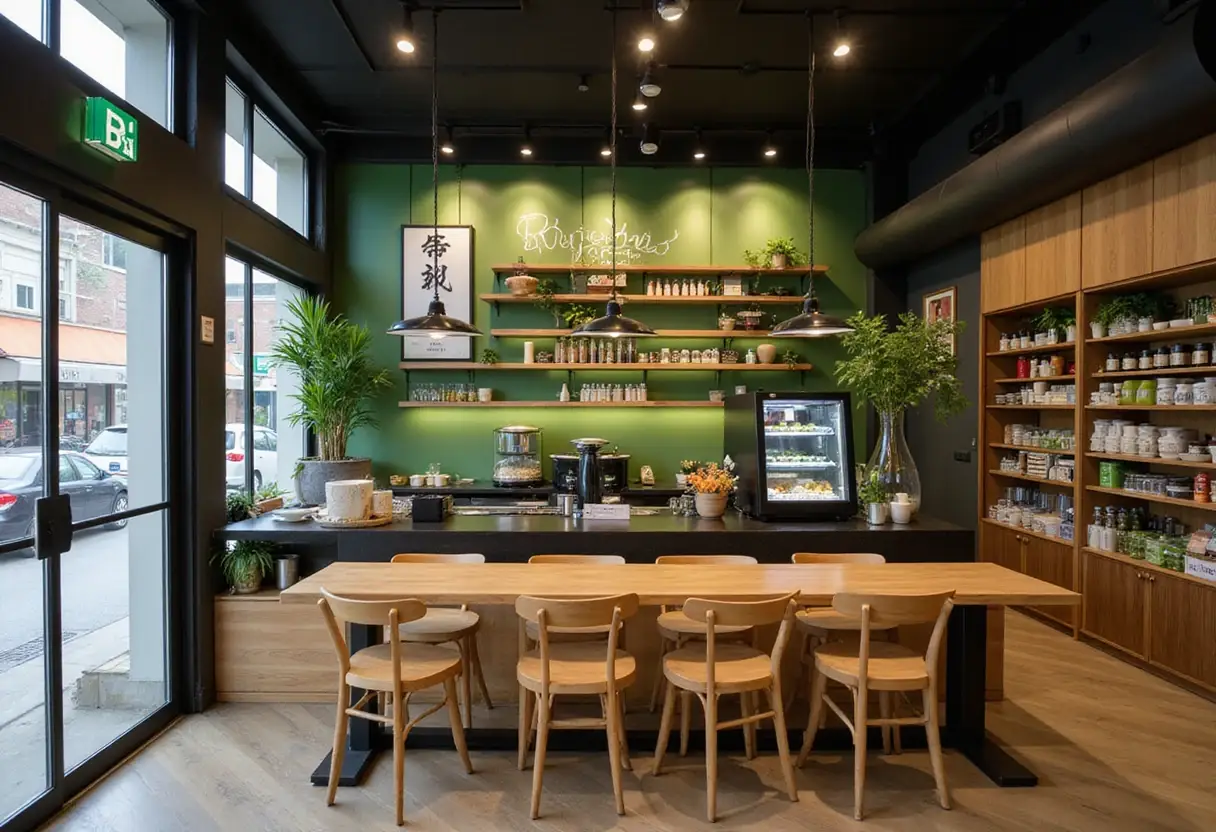
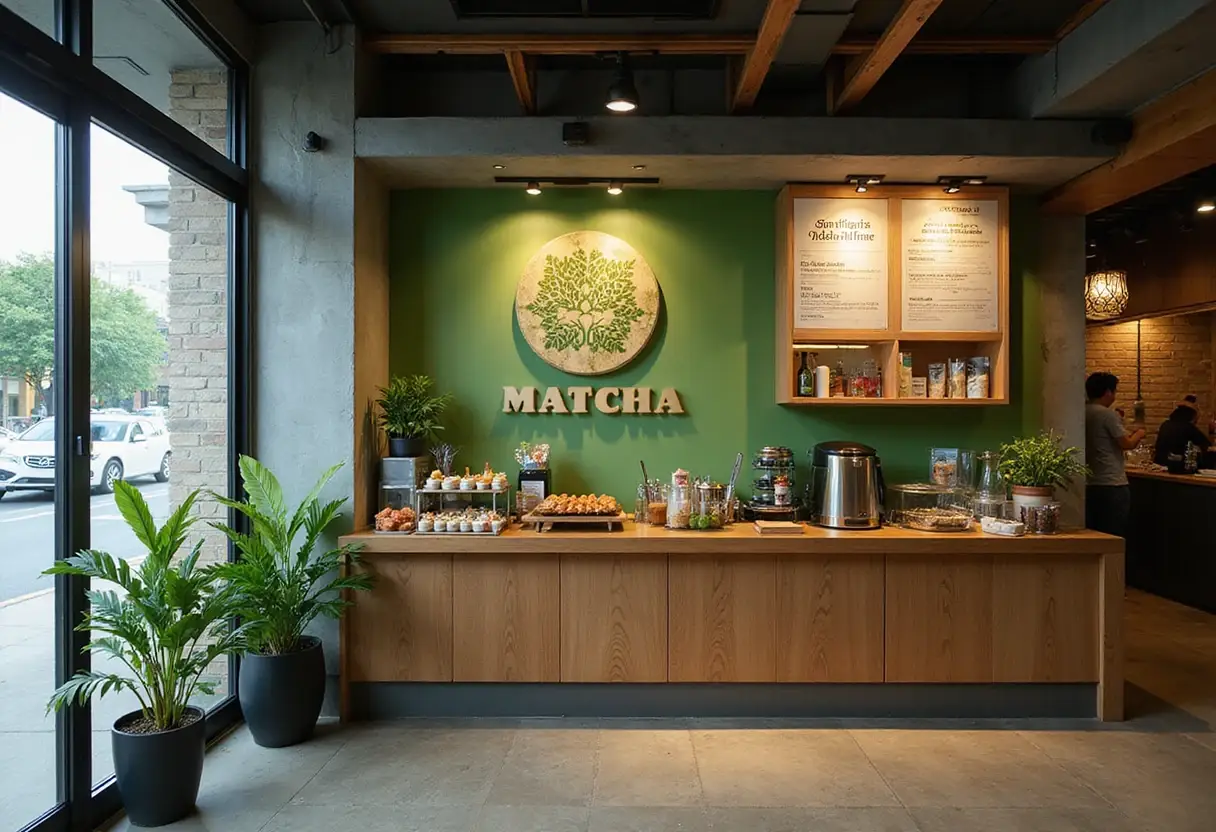
Heytea Opens Matcha Lab in New York as Chain Passes 3,500 Stores
Heytea's new NYC Matcha Lab pours ceremonial-grade Jingshan and Shizuoka matcha at three intensity tiers as U.S. menu mentions of the ingredient climb nearly 25% in a year.
Heytea now operates more than 3,500 stores globally, including about 45 in the U.S., and its newest unit is a matcha-dedicated lab in New York City. The China-based beverage chain, founded in 2012 in Jiangmen, Guangdong, is betting a single-ingredient concept can stretch matcha beyond its current mainstream status. The bet arrives as restaurant menus nationwide lean the same direction. Matcha mentions on U.S. restaurant menus rose nearly 25% over the past year, according to Technomic.
The lab is a menu-engineering exercise more than a novelty. Sisi Zhang, Heytea's senior brand director, frames the question in operational terms: whether an ingredient this common can still carry a culinary or cultural edge.
"When something becomes so mainstream, we dare to ask whether it can still have an edge, culinarily or culturally," Zhang said in a statement. "Matcha Lab takes Heytea's curiosity and audacity to another level, with a space devoted to playing with matcha and making it unmistakably Heytea."
What is on the menu?
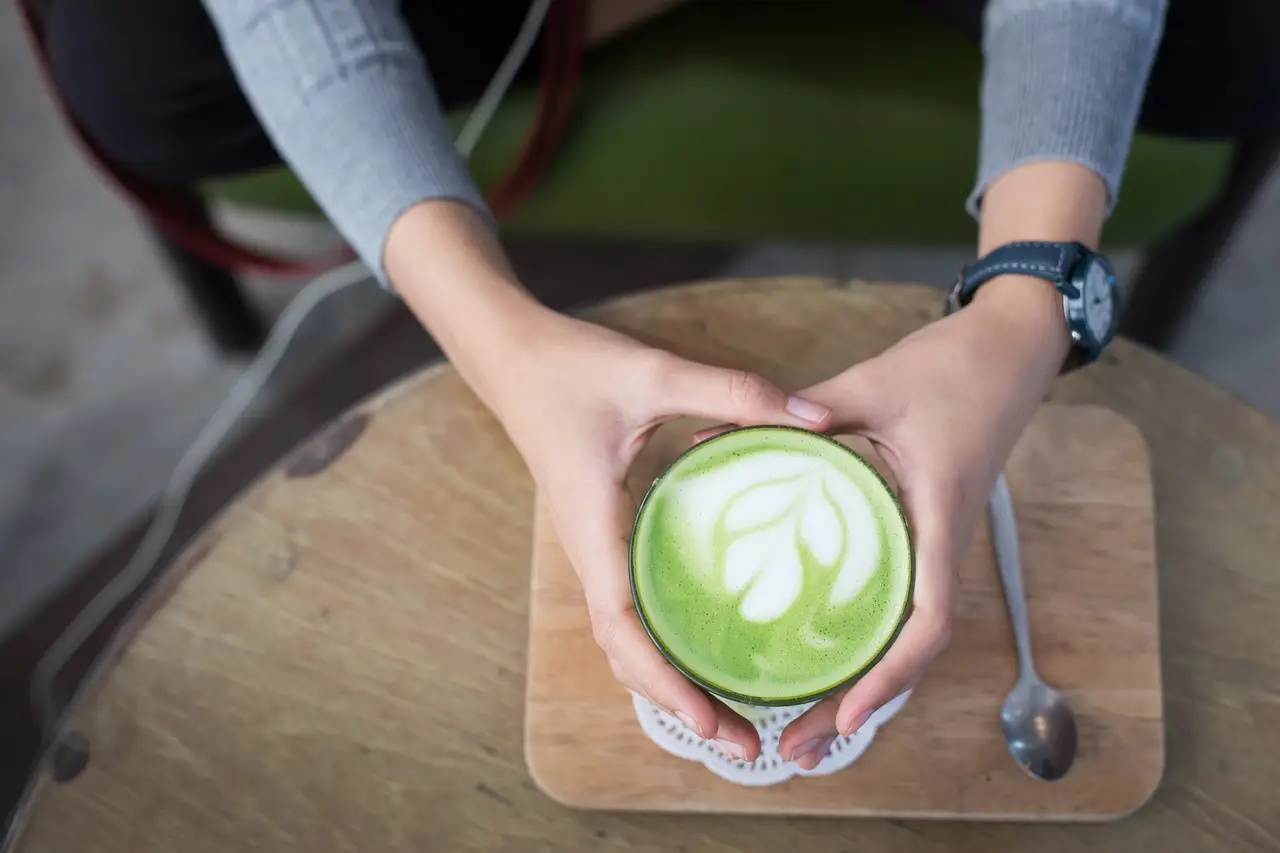
The sourcing is specific. Heytea pours ceremonial-grade, hand-whisked matcha from two regions: Jingshan, China, and Shizuoka, Japan. The company describes the Jingshan matcha as delivering "umami upfront, subtle toasted notes and a mellow finish," while the Shizuoka version "opens with a fresh green aroma followed by a creamy texture and lingering sweetness."
The intensity tiers anchor the pricing structure. Drinks come in three levels — M60, M100 and M150 — where a higher number signals richer flavor. The same scaling applies to the Matcha Gelato, which the lab also sells.
Menu items include:
- Matcha Dirty: espresso-based matcha drinks
- Pistachio Matcha Dirty: pistachio drink topped with crisp Pistachio Kataifi
- Matcha Latte Floats: latte with a scoop of matcha gelato
- Frozen Yuzu Matcha: matcha poured over yuzu-and-apple sorbet
- Baked goods
One detail shows deliberate drink construction rather than garnish. Iced versions are chilled with matcha ice, so melting does not dilute the beverage. That is a small engineering choice with a real cost implication, since matcha ice requires more powder per serving than standard cubes.
What does the experience add?
The lab also stages an Origin story as theater. Guests can grind tencha — the leaf material used to make matcha — by hand on an antique stone mill from Japan, one the company says dates to the shogun era. Heytea notes powdered tea traces to China's Song dynasty before Japanese ceremonial rituals refined it. The dual-origin sourcing recovers a Chinese claim on a product most U.S. consumers associate with Japan.
Is the concept isolated?
It is not. Kyuramen, another chain, is growing a matcha concept called Aoko Matcha with a similar emphasis on intensity levels and gelato. Two chains converging on the same format — tiered intensity plus gelato — suggests a template, not a one-off. Heytea has not disclosed check averages, unit economics or the cost of goods for the lab, so any read on profitability remains premature.
The company calls matcha a hugely popular color, flavor and "wellness cue," and that framing is doing quiet work: it positions the ingredient as a premium signal rather than a taste alone. Whether a wellness cue justifies a dedicated format at scale is the question the next year of unit data will answer. If Matcha Lab holds, expect the tiered-intensity model to spread across Heytea's roughly 45 U.S. locations.
More from Marcus Bennett
Show full bio
Market editor covering technology and product news in Restaurant and hotel operations at The Pass Brief.
841 articles