Hadong Rice Hits 1,000 Tonnes in Exports, Lands Bento Sushi Supply Deal
Hadong County shipped 1,000 tonnes of rice in 2025, up 66.7% year over year, with Canada taking 700 tonnes and Bento Sushi's 1,000-plus North American outlets now supplied after quality vetting.
Hadong County in South Gyeongsang Province exported 1,000 tonnes of rice this year, up 66.7% from 600 tonnes in 2024, and crossed a cumulative 3,000 tonnes since its first shipment to Australia in 2012. The county announced the milestone on the 13th, and it projects volumes will reach 1,200 tonnes by year-end if the current pace holds.
The growth is concentrated in North America. Canada took 700 tonnes, the United States 147, New Zealand 51 and the United Kingdom 44. Hadong rice now ships to nine countries in total, and the county ranked first among Gyeongnam municipalities this year in both export volume and number of destination markets.
What does the supply-chain win actually change?
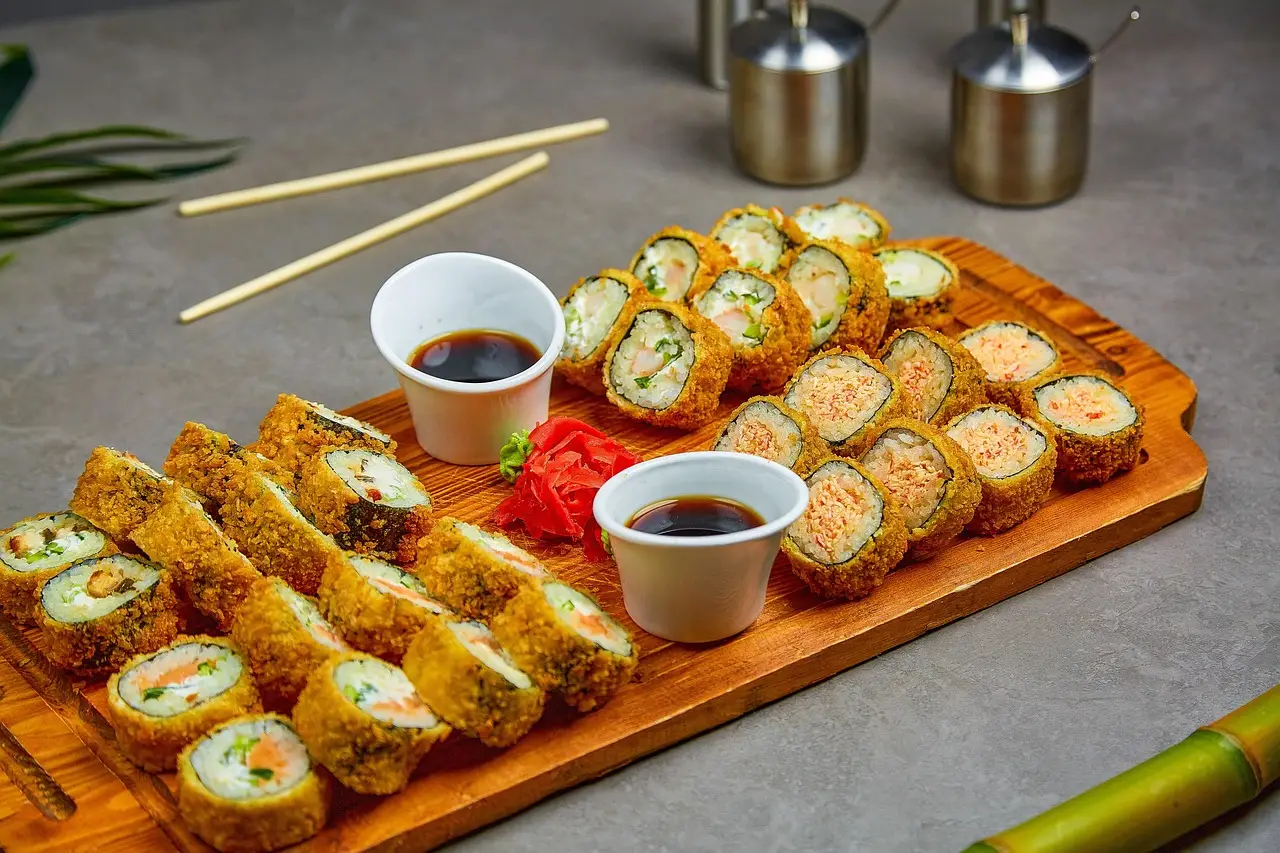
The headline development for operators is the deal with Bento Sushi, a global sushi chain running more than 1,000 locations centered on North America. Hadong rice entered that supply chain only after clearing the company's quality and selection standards.
According to the county, the rice won the contract through direct benchmarking against U.S., Australian and Japanese product. That matters because Hadong's export base had been built almost entirely on Korean diaspora retail. A foodservice contract of this size shifts the channel mix from ethnic-grocery demand toward mainstream commercial purchasing, where volumes are larger and recurring.
The county expects continued supply to global restaurant companies to widen consumer touchpoints abroad and stabilize export volumes. In practical terms, a 1,000-unit chain buying consistently does more for shipment predictability than scattered retail distribution.
The margin question still hangs over the volume story
Export tonnes don't automatically translate into farm income. The county itself flags the caveat: profitability depends on export unit prices, distribution costs and the prices farmers actually receive, taken together.
So the volume record is necessary but not sufficient. Sustained income gains require fair export pricing and a stable supply system alongside the market expansion — a point the county acknowledges in its own assessment.
County Governor Kim Hyun-su credited the result to coordinated effort: "This year's 1,000-tonne rice export achievement is the outcome of farmers, exporters, the agricultural cooperative and administration working together."
He added that the county will "strengthen cooperation with global distribution companies and diversify overseas markets so that the expansion of Hadong rice exports leads to higher farm incomes and revitalization of the regional economy."
What comes next
Hadong plans to keep its existing North American accounts while prospecting new markets in Europe and Asia. It also intends to widen its customer base among overseas restaurant companies and large distributors, and to reinforce quality-control systems as volumes scale.
The Bento Sushi contract gives the county a reference case for pitching other foodservice buyers. If pricing and farm-gate returns keep pace with tonnage, Hadong's model points to a repeatable path for Korean regional rice exports.
More from Olivia Hart
Show full bio
Staff writer covering regulation, policy and their impact on Restaurant and hotel operations at The Pass Brief.
692 articles