Gas Falls Below $4 a Gallon Before Thanksgiving as Oil Keeps Flowing
US gas averages $3.75 a gallon ahead of Thanksgiving, down 80 cents in a month, as Brent crude falls below $93. But diesel holds near $6 and tanker attacks squeeze shipping capacity.
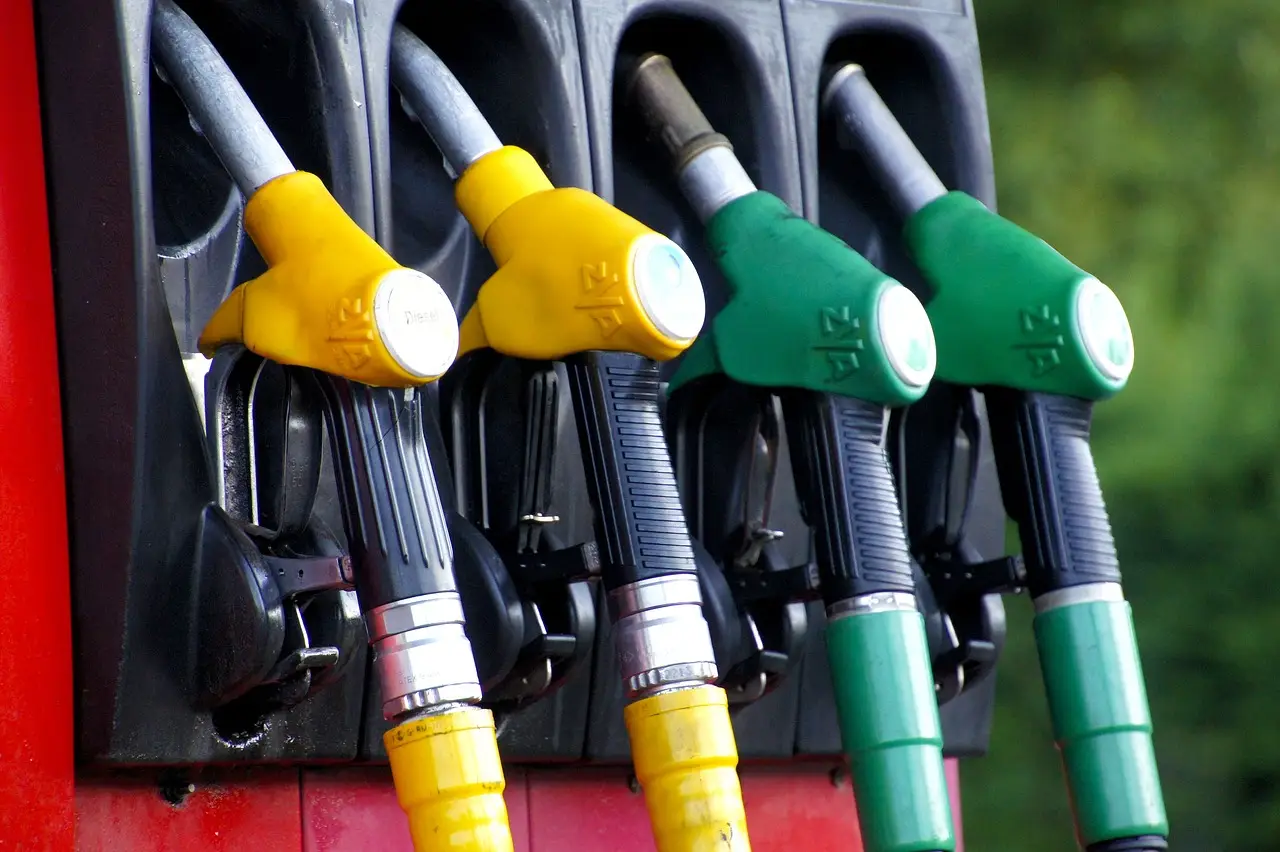
The average price of gasoline in the US has fallen below $4 a gallon for the first time since July, landing at $3.75 per gallon ahead of the Thanksgiving holiday, according to AAA. That's 80 cents cheaper than a month ago, though still 75 cents above where it sat a year ago. It's also well off the summer peak of $5.
Brent crude futures fell below $93 a barrel as oil traders priced in a likely global surplus of crude. The drop comes despite rising tensions with Iran.
The catch for anyone shipping goods is diesel. The fuel that powers trucks and heavy equipment across the US economy also slipped below $6 this week — but only just, at $5.95 a gallon. A year ago, diesel cost $3.77. That's a $2.18-per-gallon increase, a gap that ripples through every delivery route and freight bill in the country.
Why is oil getting cheaper?
Two supply forces are working in the market's favor. First, the International Energy Agency predicted an oil surplus for the fourth quarter, totaling 105 million barrels per day of supply. Second, global oil reserves are expected to release another 71 million barrels into the market by the end of February, including 15 million barrels of diesel.
Meanwhile, the flow of oil out of the Strait of Hormuz remains near pre-war levels. Around 8.5 million barrels sailed through every day in October under US protection, according to the latest analysis from Vortexa.
If the trend holds, Goldman Sachs expects Brent crude to average $88 a barrel next year and slip to $78 by December 2027.
What does this change for supply chains?
That's the practical question, and the answer is mixed. Headline crude numbers point one way; the tanker market points another.
Iran's Islamic Revolutionary Guard Corps claims to have hit half a dozen tankers at the start of the week, and the United Kingdom Maritime Trade Operations confirmed the latest attack on Wednesday. At least one vessel was struck by an unknown projectile while sailing through the Strait of Hormuz, triggering a fire and a rescue mission for the ship's missing crew members.
Traffic through the strait has stayed strong, but the attacks appear to be having a chilling effect on the largest cargo ships. The number of empty tankers sailing through has dropped by 40% since August, according to TankerTrackers.com.
Much of the oil transiting the strait now moves via ship-to-ship transfers that help vessels avoid Iran's detection. But the maritime tracking firm noted the pool of ships available to carry oil out of the Middle East is running low.
"[There are] not enough vacant tankers to take oil out of the region," TankerTrackers co-founder Samir Madani told Bloomberg.
"It's one thing to bring the oil out into the Gulf of Oman via the Strait of Hormuz, but it seems like there isn't enough to take the oil out of the Gulf of Oman," he added.
The bottom line
For the near term, cheaper gasoline and the promise of 15 million barrels of extra diesel point to softer freight and delivery costs heading into the holiday season. But a 40% drop in available empty tankers since August means the physical capacity to move Middle Eastern crude is thinning even as supply forecasts improve. Traders are weighing both signals; how long the surplus holds may depend less on barrels in the ground than on ships to carry them.
More from Olivia Hart
Show full bio
Staff writer covering regulation, policy and their impact on Restaurant and hotel operations at The Pass Brief.
757 articles