Full Tables, Thinner Checks: The New Restaurant Paradox
A restaurant operator reports packed dining rooms but shrinking per-guest checks — a paradox that hits check averages and labor percentages before anyone notices.

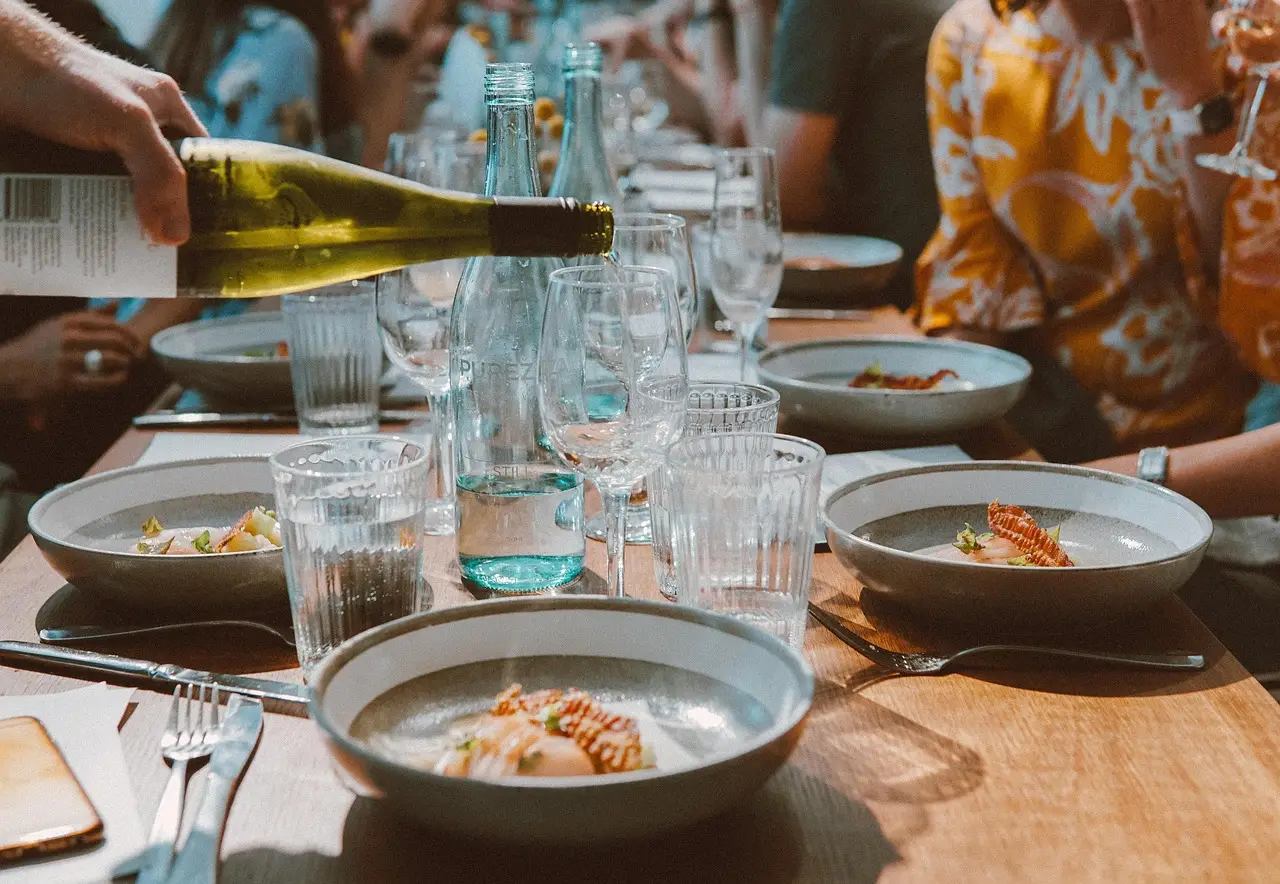
The restaurants are full. The checks are not. That's the confession at the center of a first-person account from a restaurant operator published by Katie Couric Media, and it captures a contradiction now running through dining rooms across the country: traffic holding up while the money each table leaves behind quietly shrinks.
It's a strange position for an operator to be in. For years the industry's survival playbook has been built on bodies through the door — fill the seats, and the math takes care of itself. Now the seats are filled. The math isn't cooperating.
The operator's question is blunt: why are customers spending less? And it's the right question, because the answer sits squarely in operator-level economics rather than in the dining room's mood.
What does this change for operators?
Plenty. When guests visit as often as before but trim what they order — dropping the appetizer, skipping the second drink, passing on dessert — the damage lands in a specific place. Per-check average falls. Labor cost as a share of revenue rises, because the same server covers the same table for less revenue. Food cost percentage climbs even when food cost dollars per dish hold steady.
In other words, a full restaurant can become a less profitable restaurant without a single operational mistake. Volume masks the slide until the monthly P&L reveals it.
Trading down, not opting out
The customer behavior the operator describes isn't abandonment. It's adjustment. Guests still want the occasion. They're just engineering the spend themselves — fewer add-ons, tighter orders, more deliberate choices once the menu is open.
That puts pressure on menu architecture rather than marketing. If guests are already in the building and spending less, the fix isn't more traffic. It's pricing structure, bundle design and attach rate: how the menu invites the extra course, the cocktail, the side that used to come without thinking.
Operators who read the trend as a demand problem will spend money chasing visits they already have. Operators who read it as a check-average problem will work the menu.
The margin squeeze nobody sees from the street
From the sidewalk, a packed dining room looks like success. Inside the office, the same night can tell a harder story — revenue per available seat drifting down, covers flat, profit thinner than the crowd suggests.
The operator's account is worth attention precisely because it's counterintuitive. The industry spent the past several years fighting for traffic through a pandemic, inflation and a labor crunch. Winning that fight, only to watch check averages erode, is the next chapter of the margin problem — and it's one that table counts won't surface.
The operators best positioned for it will be the ones who stop measuring fullness and start measuring what each full table actually leaves behind.
More from Daniel Okafor
Show full bio
Correspondent covering companies, deals and strategy in Restaurant and hotel operations at The Pass Brief.
438 articles