Fryer Oil to Jet Fuel: Phillips 66 and RTI Link 45,000 Kitchens to SAF
A long-term deal sends traceable cooking oil from 45,000+ foodservice sites to Phillips 66's Rodeo complex, where it becomes certified jet fuel cutting emissions up to 80%.
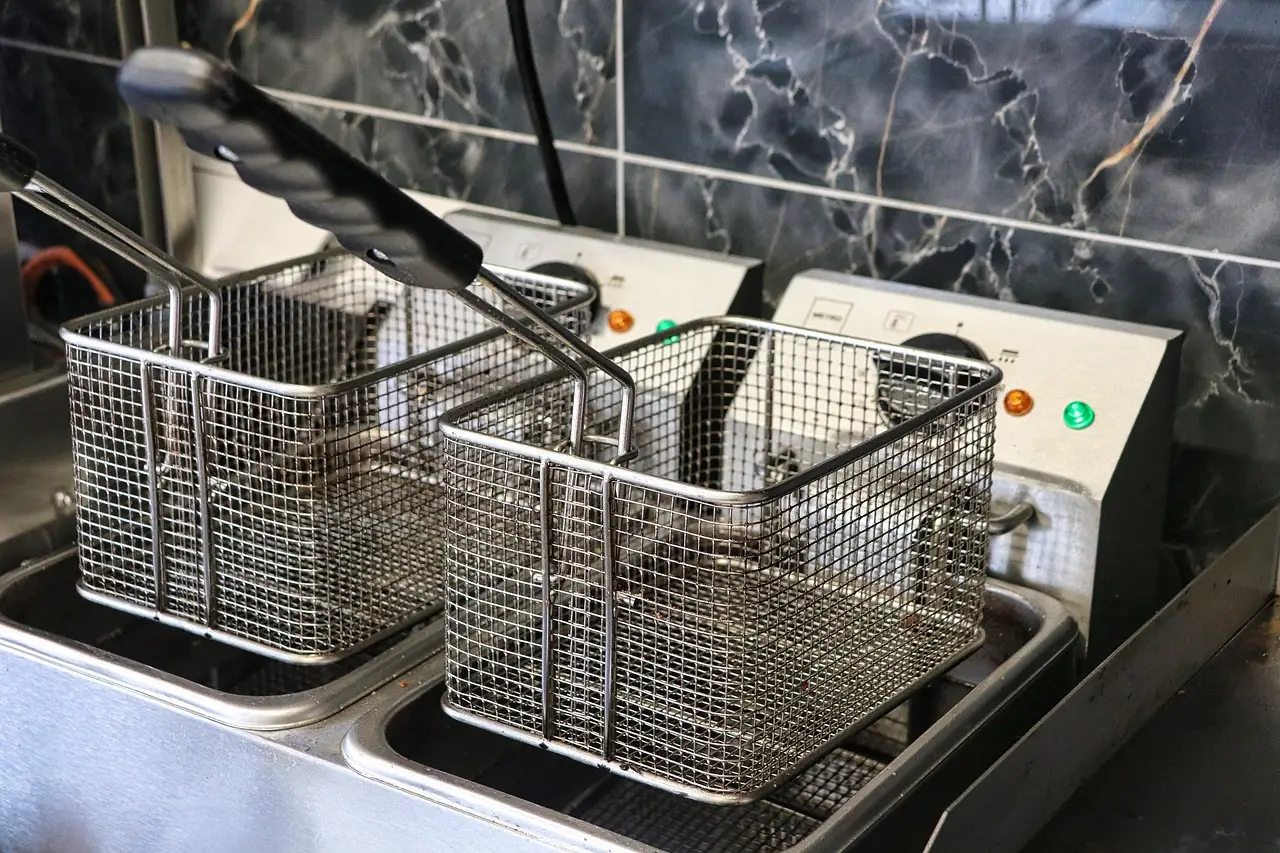
Restaurant Technologies Inc. collects used cooking oil from more than 45,000 restaurants, hotels, casinos and colleges across 41 U.S. markets, and under a new long-term agreement, all of that grease is headed to one place: a Phillips 66 refinery in California that turns it into jet fuel.
The deal makes RTI a feedstock supplier to the Phillips 66 Rodeo Renewable Energy Complex, one of the largest renewable fuels facilities in the world. The oil arrives certified — ISCC standards aligned with the United Nations Global Compact — meaning it meets benchmarks for renewable feedstocks, greenhouse-gas reduction and circular economy practices. That traceability matters, because certified feedstock is what makes the final fuel's carbon accounting usable.
The economics hinge on quality at the source. RTI runs a closed-loop, automated oil management system that keeps used cooking oil clean, separated and largely free of water, food waste and other contaminants before it ever leaves the kitchen. Traditional open collection systems produce a dirtier, wetter product that needs heavy pretreatment at the refinery. Cleaner oil in means less processing cost out, and more of every gallon collected becomes usable fuel.
"Quality starts in the kitchen," said Ronald Cardwell, Director of Commodity Strategy at RTI. "Our system keeps impurities out, so more of every gallon we collected can be transformed into renewable fuel, which improves efficiency from collection to production."
How does fryer grease become jet fuel?
The process is straightforward chemistry. At Rodeo, the used cooking oil is cleaned, heated and combined with hydrogen. The hydrogen and carbon atoms rearrange into hydrocarbons that become neat, unblended Sustainable Aviation Fuel (SAF). That SAF is then blended and certified as renewable jet fuel meeting ASTM standards — the spec airlines actually burn.
The climate payoff is measurable. SAF can cut lifecycle greenhouse gas emissions by up to 80% compared with conventional jet fuel, and those reductions can be certified and used by customers for emissions reporting. Once produced, Phillips 66 Aviation sells the fuel to customers working toward decarbonization commitments.
What does this change for operators?
For restaurants in RTI's network, the agreement gives their waste stream a second life as an energy input — used cooking oil stops being a disposal problem and becomes a commodity in a fuel value chain. For Phillips 66, it secures a reliable domestic supply of feedstock at a time when SAF demand from airlines is climbing.
"This strategic agreement delivers feedstock optionality and reliable, domestic supply to support renewable fuels production at our Rodeo Renewable Energy Complex," said Mark Hughes, Senior Vice President, Commercial, Phillips 66. "It underscores the strength of our Commercial organization and our ability to actively connect domestic supply with operations and customers for a more robust integrated value chain."
Hugh frames the bigger picture in energy-security terms, not just carbon terms. "SAF is an investment in energy security because it diversifies aviation fuel supply options," he said. "The world needs all forms of energy, and Phillips 66 is uniquely positioned to provide both conventional and renewable fuels, which are supported by securing reliable feedstocks."
Scaling beyond the pilot stage
The agreement pairs large-scale renewable fuels production with a consistent, high-quality feedstock pipeline — the two things SAF has historically lacked. Cardwell argues the model is ready to grow rather than remain a demonstration project.
"Airlines and corporate customers need solutions they can use now, to support supply needs and decarbonization commitments," he said. "This agreement demonstrates that the pieces are in place to scale high-quality feedstocks and renewable fuels production capability to make lower carbon flight more available and more achievable."
If the model scales, the humble deep fryer becomes a recognizable node in the aviation fuel supply chain — and operators across RTI's 41-market footprint will be supplying it one fryer at a time.
More from Olivia Hart
Show full bio
Staff writer covering regulation, policy and their impact on Restaurant and hotel operations at The Pass Brief.
575 articles