From Home Kitchens to Food Trailers: The Leap Small Cooks Are Making
A Messenger-Inquirer feature follows home cooks converting cottage-food demand into food trailer operations — the lower-cost route into foodservice.
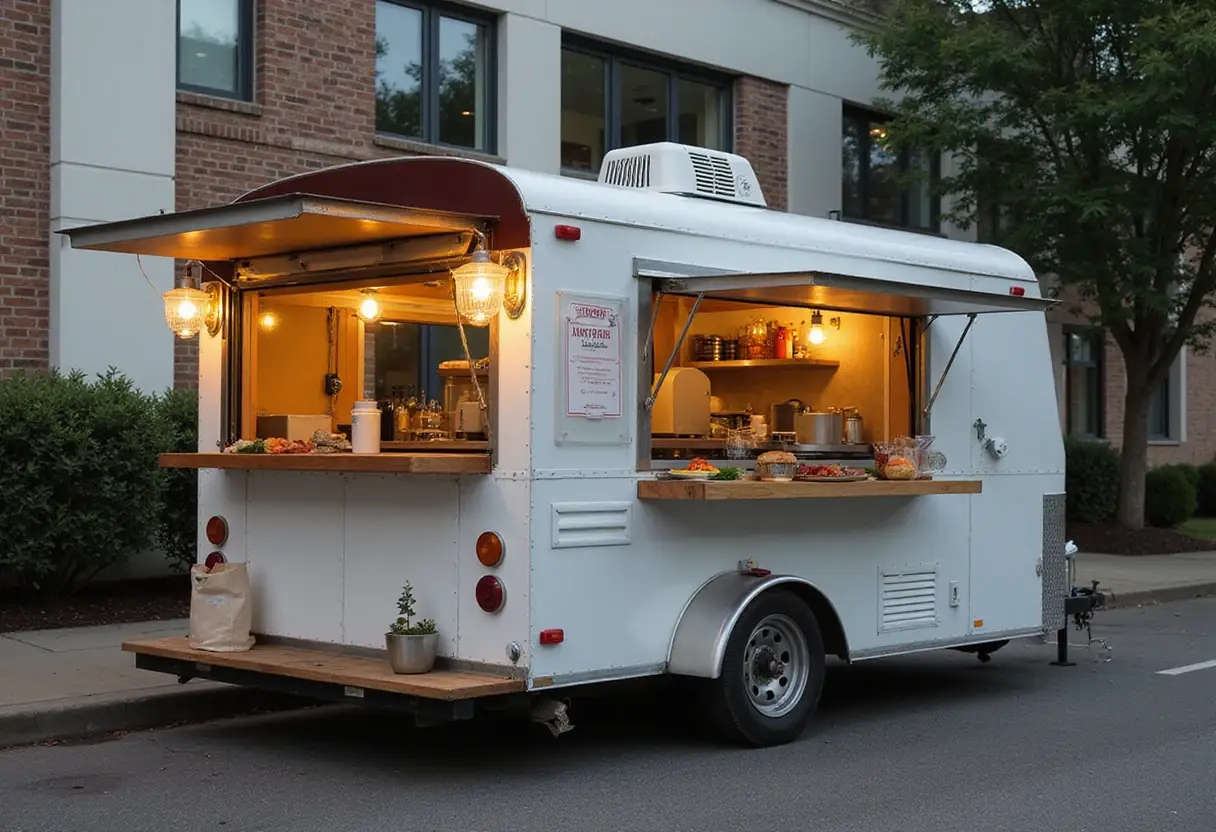
The Messenger-Inquirer has published a feature on home cooks turning kitchen side projects into food trailer businesses, a route that has become one of the most common entry points into independent foodservice for operators without restaurant capital.
The piece, filed under the headline "From kitchen creations to food trailer dreams," follows cooks who built demand through farmers markets, cottage-food sales and word of mouth before committing to a mobile unit — the format's lower buildout cost versus brick-and-mortar being the core of its appeal.
What does this change for the operator?
For the cooks profiled, the trailer represents a bridge: a way to test a menu, hold prices down and keep overhead light while scaling beyond what a home kitchen and cottage-food rules legally allow. The step up typically brings the operator into full retail food regulation — licensing, health-department inspection and commissary requirements — that cottage production avoids.
The feature sits within a broader pattern across mid-sized markets, where mobile vending has grown as a share of new foodservice entrants. Trailers let an operator carry menu engineering and pricing directly to customers, moving between demand pockets — lunch stops, events, evening crowds — instead of paying for a fixed location's rent around the clock.
Why the trailer math works
The economics are the draw. A trailer sidesteps dining-room buildout, front-of-house labor and long-term leases, concentrating spend on the equipment that produces revenue. That structure suits cooks whose product already has an audience but whose balance sheet can't carry a restaurant's fixed costs.
The risk is the same as any single-unit operation: the owner is the chef, the cashier and the maintenance crew, and one slow season lands on one household.
Readers weighing the same move — in Owensboro and comparable markets — will find in the feature a working example of the transition's practical sequence, from proving a product at small scale to licensing and operating a mobile unit. Expect coverage of this pipeline to continue as more first-time operators choose wheels over leases.
More from Daniel Okafor
Show full bio
Correspondent covering companies, deals and strategy in Restaurant and hotel operations at The Pass Brief.
437 articles