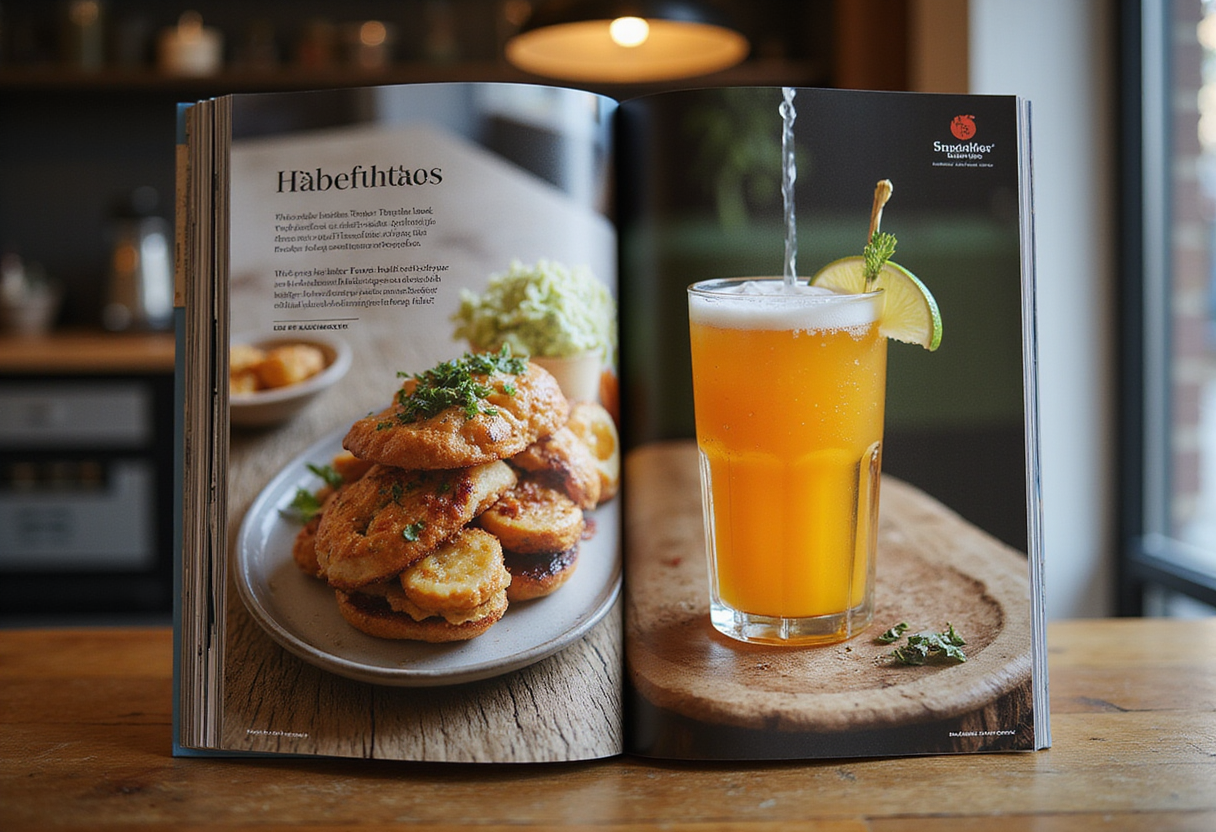
FoodNavigator Tabs 10 Trends Forecast to Reshape 2027 Menus
FoodNavigator.com has published a Top 10 food and beverage trends list for 2027. Operators should read every trend against unit economics before procurement decisions.
A trade outlet has released a forward-looking list titled "Top 10 food and beverage trends set to shape 2027."
The listicle appeared on FoodNavigator.com, a trade title covering ingredient sourcing, regulation and product development across the global food and beverage industry. The publication serves R&D, marketing and procurement readers.
What operators should expect from any such forecast is marketing language ahead of unit-level evidence. The headline promises ten forces shaping menus two years out. It does not specify margin impact, supply availability or labor implications.
How should operators read the trend list?
Treat the list as a hypothesis, not a buying signal. Each item carries a commercial interest somewhere upstream, whether supplier, broker, or trade group promoting a category. Skepticism is the right posture at the preview stage.
A useful trend list names the cost of goods, the sourcing risk and the menu price the trend supports. A list built for buzz names the sensation and stops there, much like a wine list that omits the vintage. Operators should weight the first kind and discount the second.
Look for one missing element in any preview: the labor cost. Most trend forecasts ignore back-of-house economics. They assume the kitchen can absorb new techniques, new ingredients and new presentation without retraining or wage adjustment.
What does the 2027 horizon change for planning?
The two-year window carries weight. Typical menu cycles at major chains run six to eighteen months. A 2027 forecast sits one full planning cycle away for most operators. Concepts locking 2026 menus now will not see a 2027 trend until the second half of next year.
That lag matters. Trend lists tend to lead adoption by months. Operators chasing headlines often pay premium ingredient prices while competitors catch up. The economics reverse once supply normalizes, and early adopters typically pay premium pricing before commodity rates settle across the broader market.
What should buyers demand from each named trend?
Demand three things from each named trend. First, the supplier base — how many approved vendors, what concentration risk, what import exposure. Second, the menu engineering impact — does the trend add a center-of-plate item or merely garnish an existing plate. Third, the price elasticity — can the concept pass the cost to guests, or does it compress already thin margins.
Trends that fail those three tests belong on a marketing deck, not a prep list. Operators who run the checklist protect margin while peers chase novelty.
Where does this leave operators in 2026?
The 2027 list joins a crowded field of annual F&B forecasts. Expect operators with disciplined procurement teams to read it as a sourcing map, not a strategy. Expect concepts chasing differentiation to chase the list verbatim. The margin gap between those two groups will widen as adoption spreads and unit-level economics eventually sort the winners from the imitators.
More from Marcus Bennett
Show full bio
Market editor covering technology and product news in Restaurant and hotel operations at The Pass Brief.
366 articles