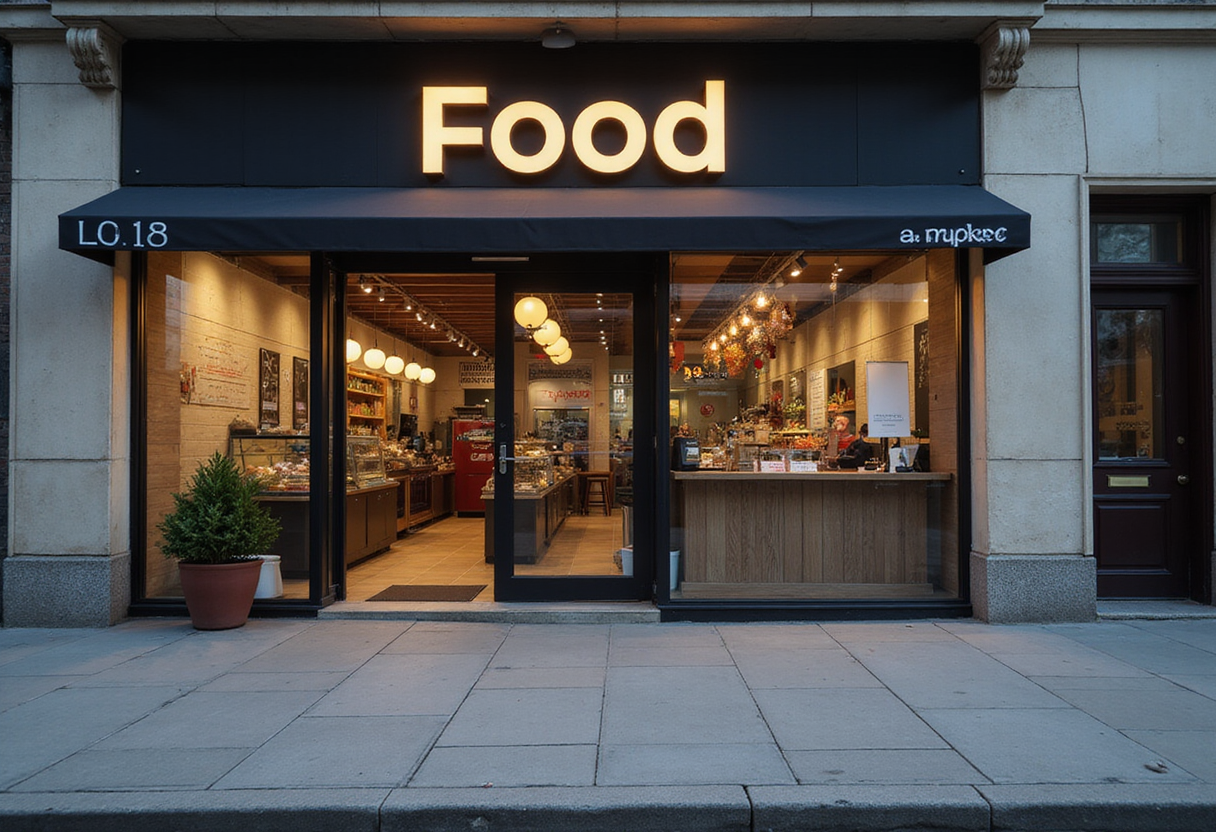
FoodNavigator Lists Five F&B Retail Trends for 2026
FoodNavigator has published its top five F&B retail trends for 2026, kicking off the annual planning cycle for sourcing, pricing and menu engineering teams.
FoodNavigator has published its rundown of the top five food-and-beverage retail trends it expects to define 2026, a forecast that arrives as grocery and foodservice operators head into another year of squeezed margins and recalibrated sourcing.
The trade publication's annual trend package is a staple of the industry calendar. Analysts, product developers and chain procurement teams use it to gauge where consumer spending, ingredient supply and retail format innovation are heading — and, more practically, where menu and shelf engineering budgets should go.
What does this change for operators? In the near term, not much on its own. A trend forecast is a planning input, not a mandate. But the exercise matters because it compresses a year of market signals into a shortlist that purchasing and R&D teams can test against their own cost-of-goods and pricing data before committing to 2026 programs.
The broader context is one most operators already know first-hand. Input costs, labor pressure and shifting retail channels have pushed food and beverage companies to be more deliberate about which trends they back with real capital — and which they let pass. Forecasts like this one help draw that line.
Details of the five specific trends named by FoodNavigator were not included in the summary available to The Pass Brief. Readers tracking 2026 planning should consult the full report directly on FoodNavigator's site.
For now, the signal is the timing: the 2026 trend cycle has formally opened, and operator planning around it will accelerate through the coming quarters.
More from Daniel Okafor
Show full bio
Correspondent covering companies, deals and strategy in Restaurant and hotel operations at The Pass Brief.
330 articles