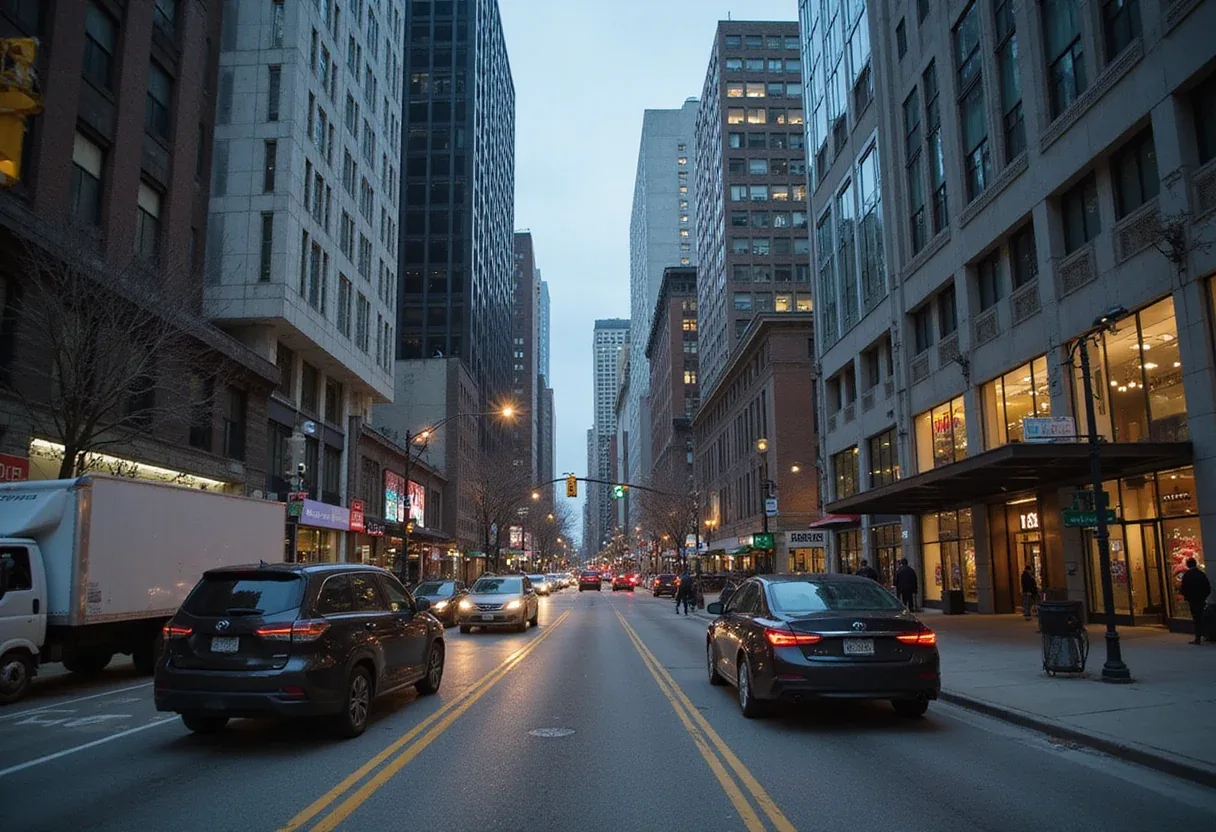
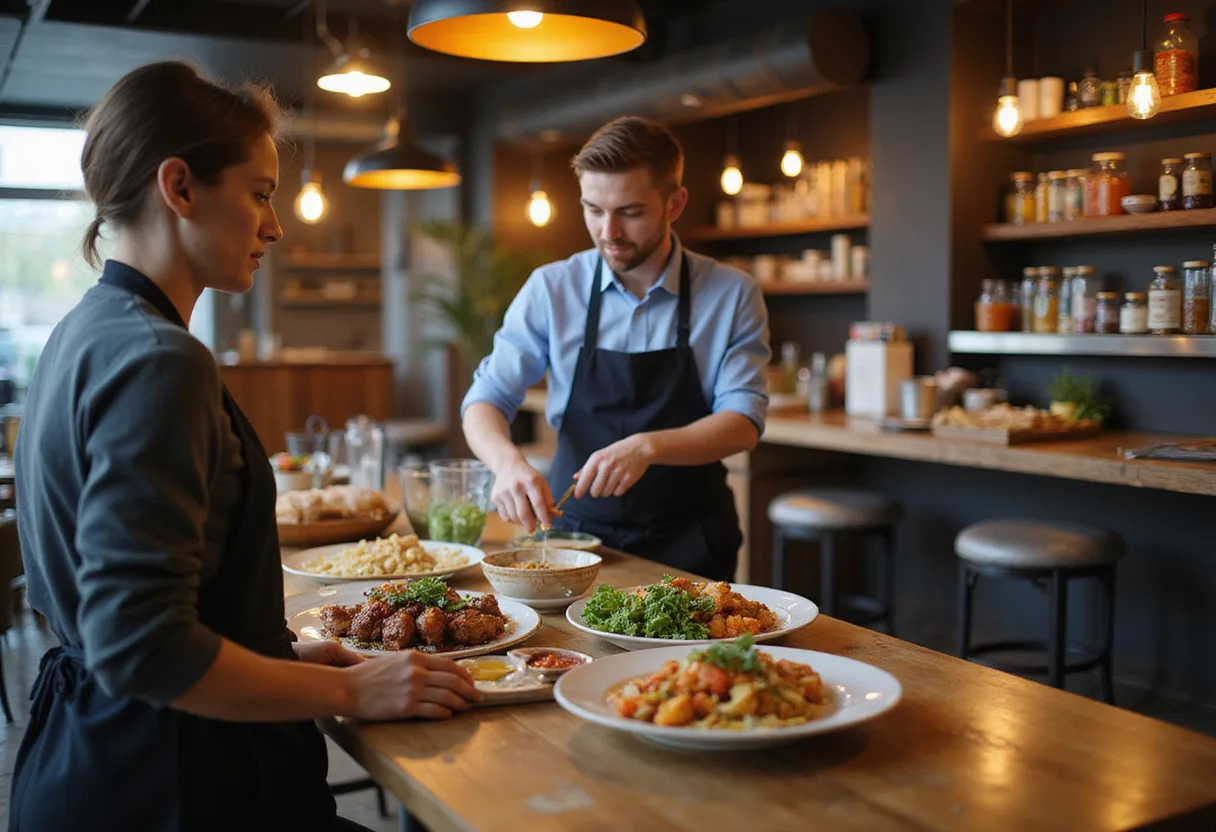
Food and Beverage Cargo Theft Surged in 2025. What Comes Next?
Food and beverage cargo theft surged in 2025. FoodNavigator now asks what comes next, and the answer will land on operators' cost of goods.
Food and beverage cargo theft surged through 2025, and the industry now has to work out what follows a year of losses that hit grocery and restaurant supply lines rather than dining rooms.
The question sounds abstract. It is not. Every stolen truckload lands eventually on an operator's invoice, as cost of goods (the share of revenue spent on food and supplies) absorbs the loss through insurers, distributors and premiums. When theft rises, margins fall somewhere downstream. That somewhere is usually the restaurant P&L.
FoodNavigator posed the question directly this week: what is next for food and beverage cargo thefts after the 2025 surge? It is the right question, asked at the right time. A surge is an event. The aftermath is a cost structure.
Why does a theft surge become a menu cost?
Cargo theft rarely announces itself in unit economics. It arrives quietly. Distributors raise delivery surcharges. Insurers reprice freight coverage. Carriers add escort and tracking costs. Each line item is small. Together they move the invoice price of proteins, produce and packaged goods.
For a multi-unit operator running food costs near the industry's typical 28-32% band, even fractional inflation on inbound freight matters. A chain with thin margins has nowhere to hide a systemic shrink problem it did not create.
The food and beverage category attracts thieves for a simple reason. Stolen electronics can be traced. Stolen truckloads of meat, beverages and dry goods resell cleanly through gray channels. High value, low traceability, broad demand. That combination made 2025 a busy year for the people who move freight without paperwork.
What should operators watch now?
The source raises the forward question without pretending the answer is settled, and honesty is the correct posture here. Nobody knows whether 2026 brings deterrence, displacement or escalation. But the variables are identifiable:
- Whether carriers and shippers adopt tighter tracking, sealing and route-vetting protocols, and who absorbs that cost in the contract;
- Whether insurers continue repricing food and beverage freight coverage upward, which flows into distributor pricing;
- Whether enforcement attention follows the surge, or shifts to other categories once headlines cool.
Each variable has a payer. In logistics, the payer is rarely the thief.
The operator-level read
n Restaurant operators cannot patrol the interstate. They can, however, price and contract defensively. Locked-in distributor agreements, alternative supplier redundancy and careful review of delivery surcharges are the available levers. Menu engineering (structuring items to protect margin on volatile inputs) is the other one, and it is cheaper than reacting after the next invoice cycle.
The 2025 surge is now a fact of the cost base. The industry's task in 2026 is to keep it from becoming a permanent line item, and early supply-chain signals, not diner traffic, will tell us which way it breaks.
More from Rebecca Stone
Show full bio
Senior reporter covering technology and product news in Restaurant and hotel operations at The Pass Brief.
457 articles