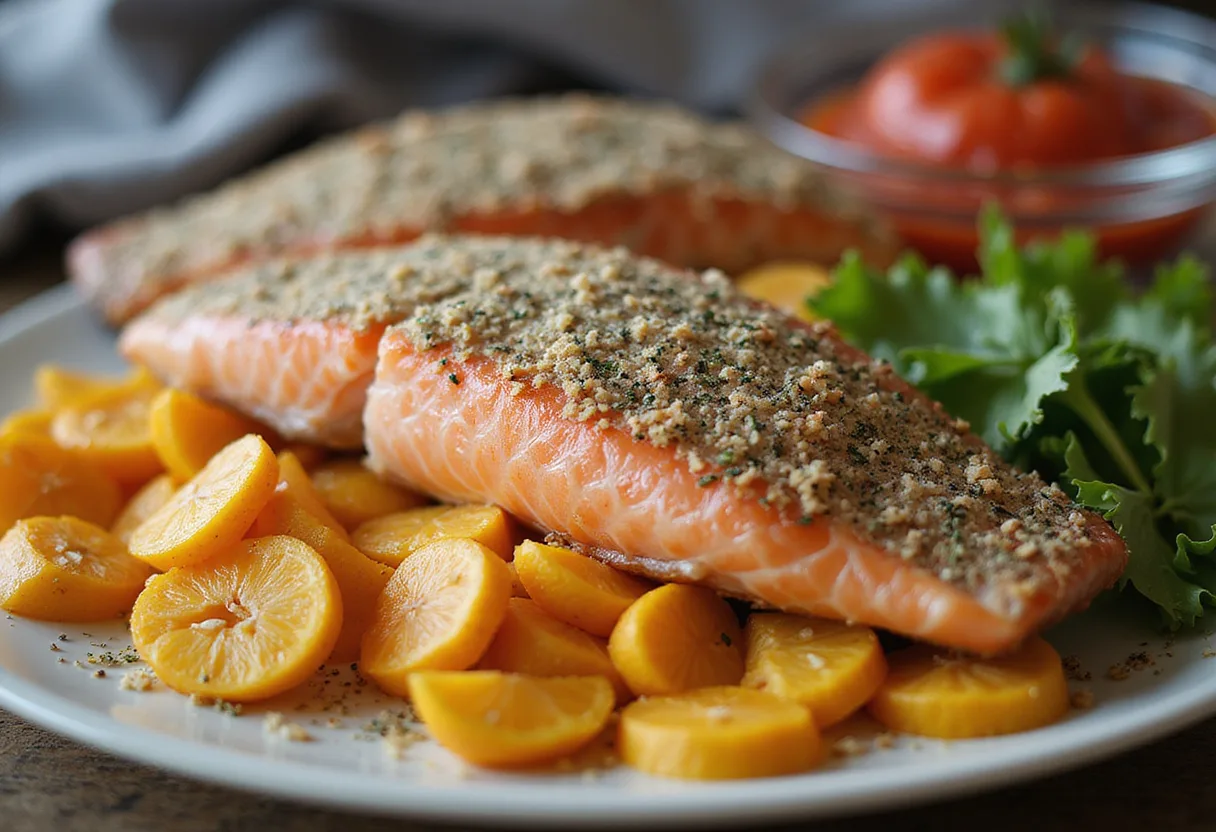
Five Sickened in China by Rare Haff Disease Linked to Wild Freshwater Fish
Five suspected Haff disease cases tied to wild-caught freshwater fish were reported to a Guangdong county CDC in April 2026, highlighting sourcing risks for operators.
Five people fell ill with suspected Haff disease in April 2026 after eating wild-caught freshwater fish, according to a report received by the Longchuan County Center for Disease Control and Prevention in Heyuan City, Guangdong Province.
That number — five — is small. But it's the kind of number that gets attention fast, because Haff disease is rare and it's caused by a toxin found in some fish, not by bacteria or a virus that kitchens can cook out. The cluster, logged in a single county in a single month, marks one of the documented appearances of the illness in China this year.
The cases surfaced in April 2026, when health authorities in Longchuan County received the reports and began their epidemiological work. All five people had eaten wild-caught freshwater fish before developing symptoms. That detail matters for anyone in the supply chain, from the fisherman to the wholesaler to the restaurant that puts the catch on a menu.
What is Haff disease, and why does the source matter?
Haff disease is caused by a toxin present in some fish. The disease is rare — that rarity is its defining feature, and it's also what makes outbreaks notable when they do appear. In this case, the common thread across all five suspected cases was consumption of wild-caught freshwater fish.
For operators and buyers, the distinction between wild-caught and farmed fish is the operational takeaway. The reports tie the illnesses to wild-caught product, which follows a different supply path than aquaculture-sourced fish. Traceability — knowing where a fish came from and who handled it — is what allows investigators to connect five separate sick people to a shared source at all.
What does this change for restaurants and fish suppliers?
Practically, a five-case cluster in Guangdong Province doesn't trigger a national recall or a universal ban on freshwater fish. What it does is put a spotlight on sourcing decisions. Any menu item built on wild-caught freshwater fish carries a different risk profile than farmed alternatives, and rare toxin-borne illnesses are the hardest category to screen for, because the toxin isn't eliminated by standard preparation or cooking practices.
The investigation sits with local disease control authorities in Longchuan County, under the Guangdong provincial public health structure. Their case reports identify the illnesses as suspected Haff disease — the standard designation while clinical and epidemiological confirmation proceeds.
Why rare-disease clusters still make news
Five cases in one county, one month, one type of food. That's the whole story on its face. But foodborne illness surveillance runs on exactly these signals — small, geographically tight clusters that suggest a shared source rather than coincidence. When the shared source is a wild-caught animal product, the investigation reaches backward through informal and formal supply channels alike.
The Longchuan County CDC's April 2026 report now stands as a documented Haff disease cluster in Guangdong, and further findings from the investigation will determine whether the source fish can be traced to a specific waterway or seller.
Watch for follow-up reporting from Chinese health authorities as confirmation of the suspected cases — and any sourcing findings — comes through.
More from Daniel Okafor
Show full bio
Correspondent covering companies, deals and strategy in Restaurant and hotel operations at The Pass Brief.
492 articles