Fatburger's First Loyalty Program: $1 Earned, 75 Points for $5 Off
Fatburger has launched its first rewards program: members earn $1 on eligible purchases and redeem $5 off for every 75 points. The chain frames it as a play for sales and frequency.
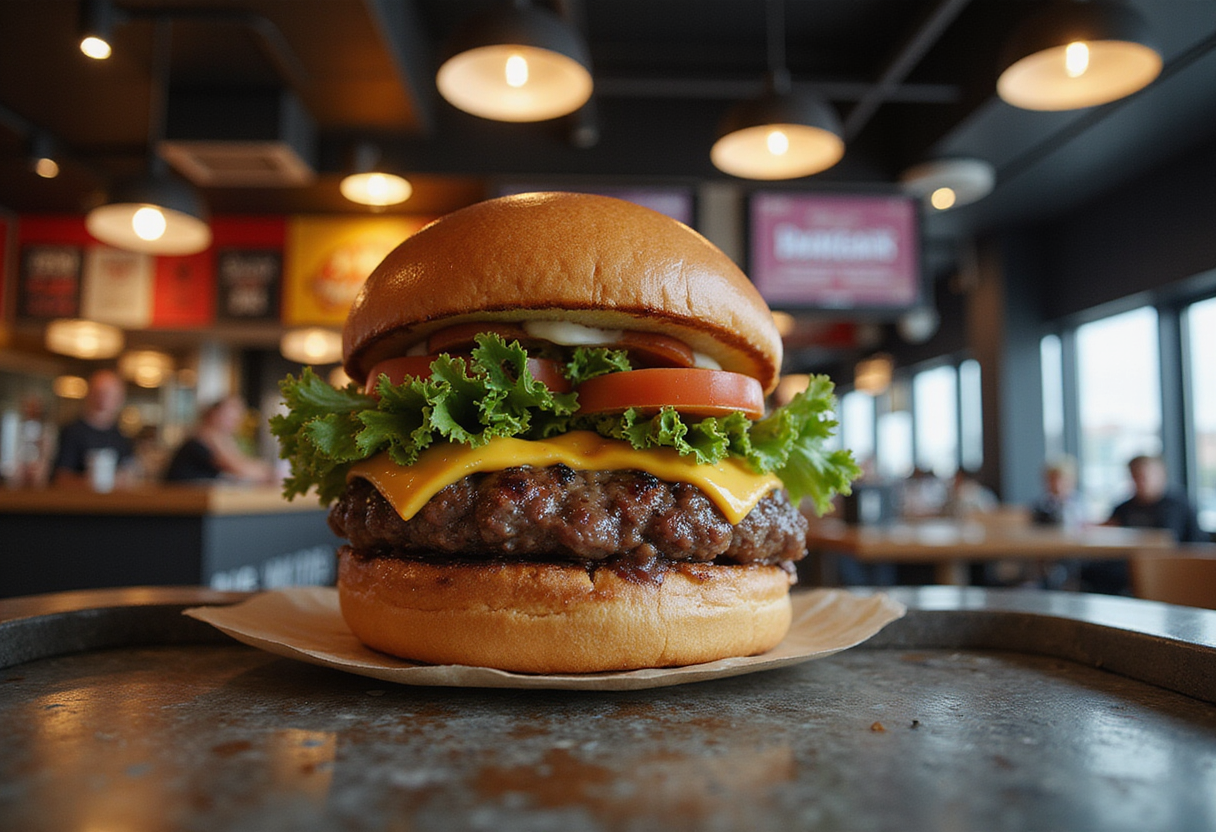
Fatburger has launched its first rewards program, the company announced. Members earn $1 on eligible purchases and redeem $5 off for every 75 points accrued. That is the entire disclosed economics of the program: a fixed earn rate, a fixed threshold, a fixed reward value.
The structure follows the standard currency model used across quick service. Customers accumulate points on qualified spend, then convert those points into a discount once they cross a stated line. Fatburger did not disclose the conversion rate from dollars spent to points, the pace at which points expire, or whether delivery and third-party orders qualify as eligible purchases.
What does the program actually pay operators?
The appeal for the chain is straightforward. Loyalty programs move two levers that matter at the unit level: visit frequency and average check. Fatburger frames the program as a strategy that could help boost sales and frequency, and that framing is the correct one — frequency gains, not margin gains, carry the business case for most QSR rewards schemes.
The discount itself functions as a pricing concession paid back only after repeat behavior. A $5 reward issued at 75 points caps the operator's liability per cycle at a known amount. What the announcement does not say is how the company will account for that liability across company-operated and franchised locations, or whether franchisees fund redemptions at their own stores. Fatburger operates through a mix of company and franchised units, and loyalty program cost-sharing is a common friction point in that model. The chain did not address it.
What is missing from the announcement?
Several data points would determine whether the program works:
- The dollar-to-point earn rate, which sets how quickly members reach 75 points
- Expiration rules, which govern breakage and program liability
- Eligibility of delivery, catering and third-party marketplace orders
- Funding responsibility between Fatburger and its franchisees
- Any digital app requirement, which typically drives the guest-data value of the program
None of these appear in the launch materials. Without the earn rate, outside observers cannot calculate the effective rebate percentage. That number is the only figure that lets an operator judge whether the reward is generous, typical or stingy against category benchmarks.
Why chains keep launching these programs
The guest-data argument matters as much as the discount. A registered member is a known customer with an order history, which supports targeted offers, menu engineering decisions and pricing tests that anonymous transactions cannot. First-party data also reduces dependence on third-party delivery platforms for customer insight.
Fatburger is late to this model relative to the major burger competitors, all of which run mature, app-based loyalty programs. A first program at this stage is a defensive move as much as a growth one.
What comes next
The chain says the program could lift sales and frequency. That claim will hold only if Fatburger publishes — or at least tracks — redemption rates and incremental visit data in the quarters ahead. Until then, the announcement is a structure, not a result.
More from Marcus Bennett
Show full bio
Market editor covering technology and product news in Restaurant and hotel operations at The Pass Brief.
352 articles