Eurasian Bistro to close two Pensacola locations permanently
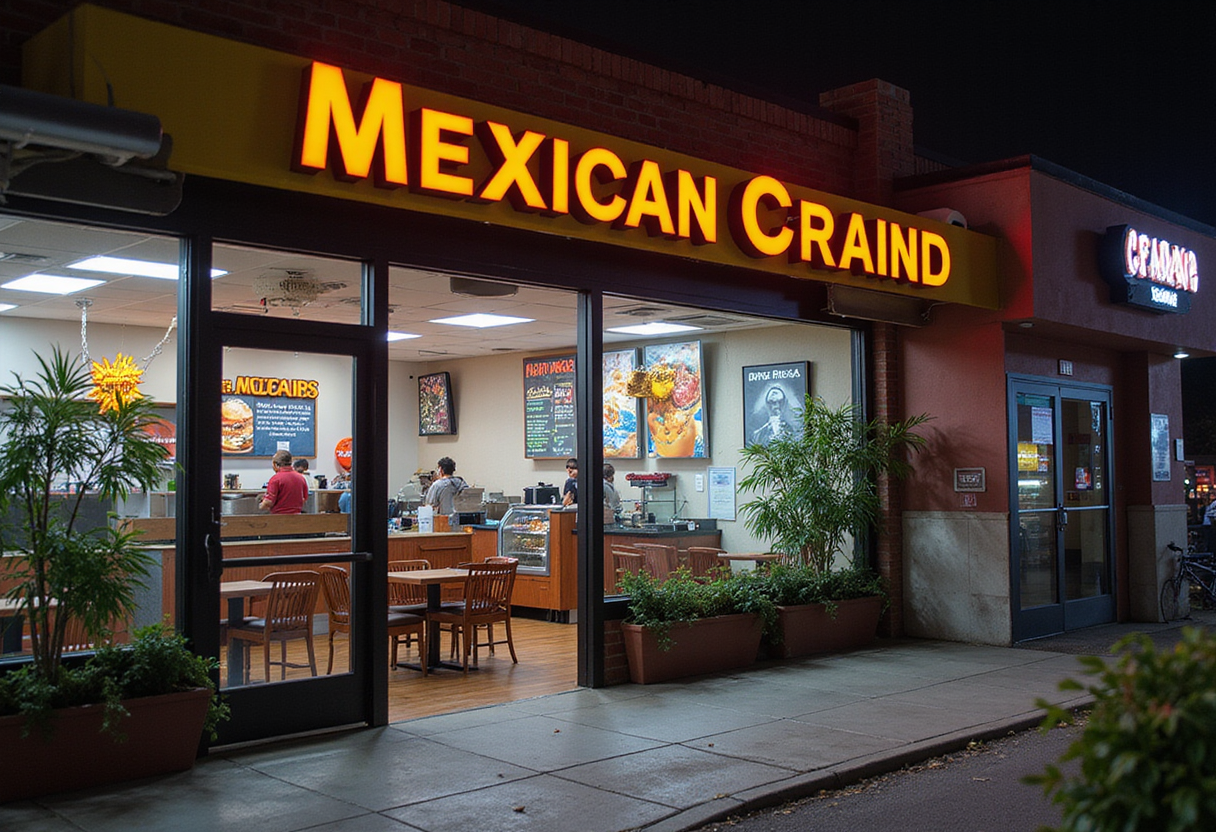
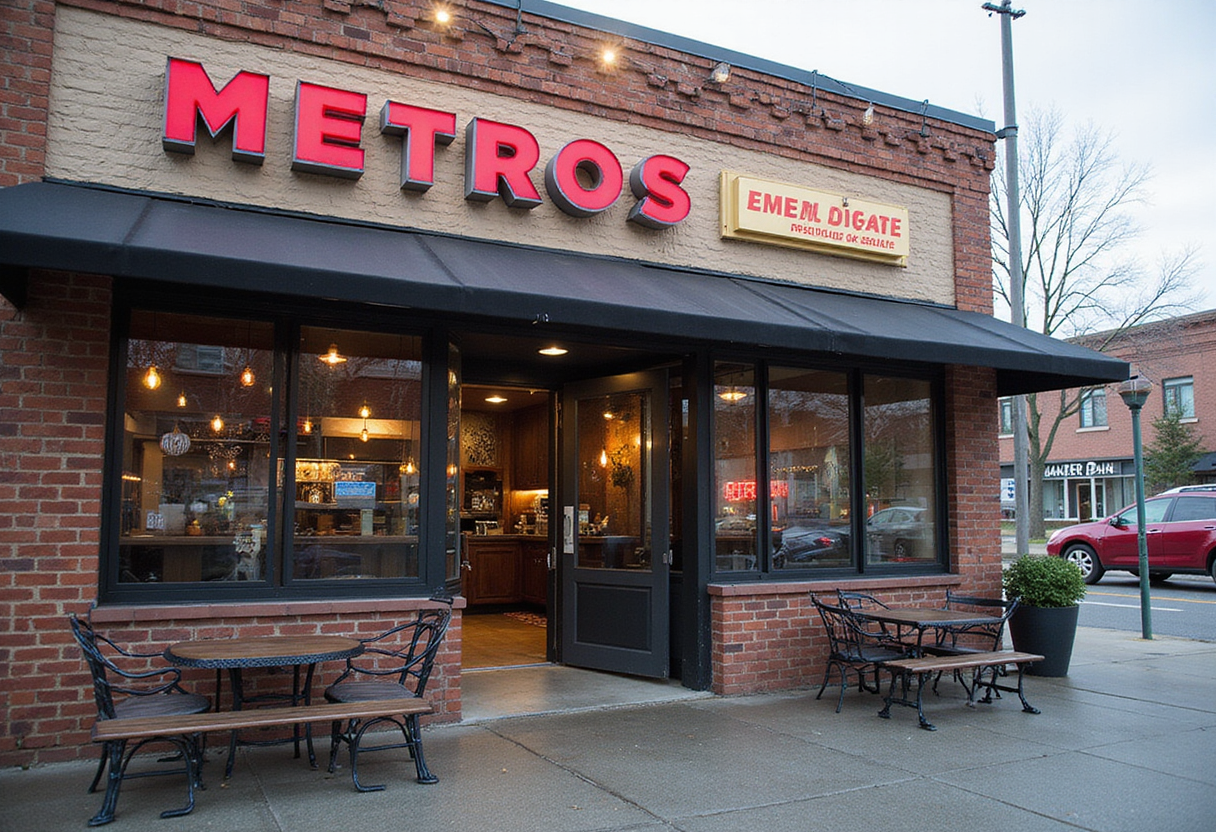
Pensacola independent operator Eurasian Bistro will permanently close two of its locations according to a Yahoo-syndicated report. The published source contains no closing dates, addresses, or labor impact figures.
Eurasian Bistro, an independent restaurant group operating in Pensacola, Florida, will permanently close two of its locations, according to a Yahoo-syndicated report. The headline confirms a multi-unit reduction from a single-brand operator in a mid-sized Gulf Coast market where independent full-service restaurants have absorbed acute cost-side pressure since 2022.
The publicly distributed source material — a headline and outbound link — does not specify which addresses are affected, the precise closing dates, the rationale offered by ownership, or the impact on staff. Those specifics reside in the underlying local report.
What the source confirms
Verifiable facts drawn from the headline and distribution channel:
- Operator name: Eurasian Bistro
- Market: Pensacola, Florida
- Action: Permanent closure of two locations
- Distribution: Yahoo-syndicated local news outlet
The source contains no total unit count, no check-average figure, no ownership attribution, no founding year, and no employee headcount. Any specifics about the operator beyond these headlines will come from the originating local coverage.
How the closure fits the Pensacola market
Pensacola sits in a Florida Panhandle corridor whose casual-dining and independent full-service segments rely on tourism flow from Mobile, Alabama; the Gulf Shores drive market; and seasonal snowbird visitation between November and April. Operators in this corridor have spent the past two years reshaping cost structures around three pressure points widely cited in industry trade coverage: insurance, labor, and seafood.
On insurance, coastal-property premiums in Escambia and Santa Rosa counties have run materially above pre-2022 baselines, with several large carriers non-renewing habitational and adjacent commercial policies. Restaurant properties adjacent to the Gulf have absorbed a disproportionate share of those increases.
On labor, Florida's tipped-wage structure gives operators scheduling flexibility unavailable in some Northeast and West Coast markets, but base-wage floors have climbed. Many Pensacola operators publicly report difficulty staffing the 5 p.m. to 9 p.m. dinner turn during shoulder-season weeks.
On seafood, Gulf supply volatility — particularly around grouper, red snapper, and oyster categories — has compressed plate-cost predictability for menus anchored on those species, prompting operators to engineer shorter menus and reweight toward imports.
What the closure decision signals operationally
When a single-name independent group closes two units rather than one, the operational read is straightforward: management is consolidating around its strongest unit economics. For a brand whose total footprint the source does not specify, losing a meaningful share of the base in a single decision represents a deliberate retrenchment rather than a one-off setback.
What to watch
The full underlying local report should answer four questions: which two addresses, what closing date, what happens to remaining staff, and whether the operator is exiting the brand entirely or restructuring around a smaller footprint.
The Pass Brief will update this story as those details become verifiable.
More from Elena Vasquez
Show full bio
News editor covering industry trends and analytics at The Pass Brief.
245 articles