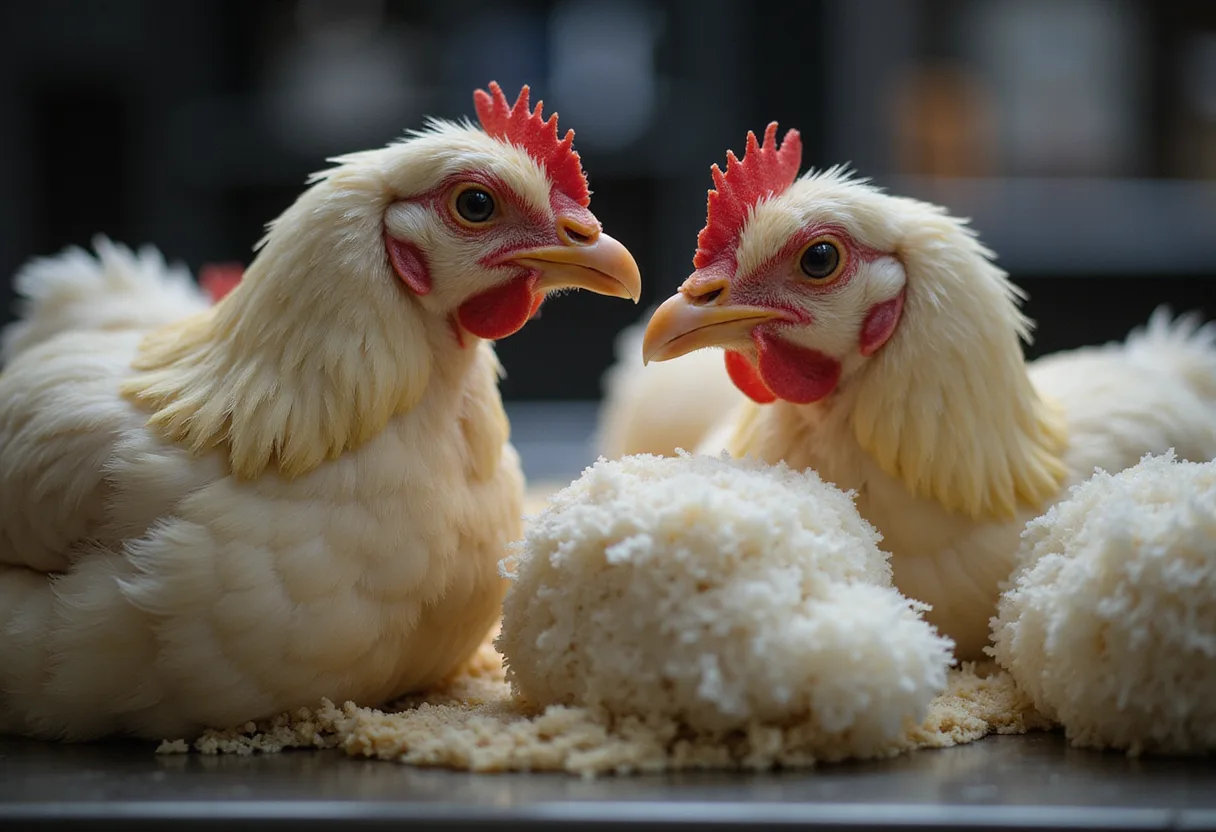
EU advances plan to phase out caged laying-hen farming
The EU will discuss a leaked 12-year cage phaseout on 9 December. With two-thirds of Europe’s egg sector already cage-free, farmers and buyers await costs and timing.

By Elena Vasquez
Two-thirds of Europe’s egg sector has already moved away from caged hens, according to the End the Cage Age coalition, as the European Commission prepares animal-welfare proposals that would phase out cage systems across the bloc.
The draft plans will come before a Commission meeting on 9 December, according to a schedule published on 10 November. A Commission spokesperson confirmed the draft proposals to move away from battery-hen farming but declined to provide further details.
Published in July, the EU Livestock Strategy described itself as the bloc’s first of its kind. It treats sustainable livestock farming as central to food security and rural communities and promises targeted, evidence-based revisions for laying hens, broilers and pigs, with transition periods and financial support.
Commission timetable
By the end of 2026, the Commission intends to propose a targeted revision of animal-welfare rules for laying hens and broilers. The announced scope covers:
- Phasing out cages
- Practical on-farm welfare indicators
- Ending the systematic killing of male chicks
- Equivalent import requirements
The Commission also plans to explore updates to egg-marking rules so consumers, including those in third countries, can identify improvements made by farmers.
The published schedule calls for discussion of animal-welfare rules for “certain farming animals” on 9 December. The meeting does not enact final requirements, and the confirmed material provides no final compliance deadline.
The transition debate
The End the Cage Age coalition, which leads a group of European animal-welfare organizations, welcomed the direction of the Commission’s plans but criticized the proposed timetable. In a report dated 9 November, the coalition said leaked Commission documents contained a 12-year transition away from caged systems.
Annamaria Pisapia, an End the Cage Age European Citizens’ Initiative Committee spokesperson, said: “What we’ve seen of the leaked proposals could mark a historic step towards ending the suffering of millions of animals but a 12-year transition is far too long.”
“It would prolong unnecessary and cruel animal suffering and create an unfair market for farmers who have already transitioned,” Pisapia said.
The coalition said major food businesses have already completed their transitions within five years. Pisapia urged the Commission to choose an ambitious but realistic schedule that supports farmers without leaving millions of birds in cages for years.
National precedents
The United Kingdom announced in January that cage systems for laying hens would be phased out by 2032, including systems used by smaller egg producers. Germany also introduced a phased ban at the start of January, although certain farmers have until 1 January 2029 to comply.
Those national schedules give European operators existing examples for planning cage-free sourcing, but the EU proposals do not yet establish a harmonized deadline for farms, food businesses or importers.
The poultry debate
The leaked proposals reportedly also cover cages used for male chicks or broilers destined for the dining table, along with comparable provisions for poultry imports. The Commission’s broader July announcement covered cage phaseouts for broilers as well as laying hens.
The End the Cage Age coalition disputes the approach for meat chickens. It argues that banning cages for broilers would not produce meaningful welfare improvements if high stocking densities and fast-growing breeds remain unchanged.
The coalition also opposes merging the Laying Hen and Broiler Directives into one regulation. It says the consolidation could weaken and delay protections for both species rather than accelerate their transition.
What does this change for egg and poultry buyers?
For restaurants, food manufacturers and retailers, the immediate change is a procurement and compliance timetable rather than a final operating mandate. The confirmed material does not disclose a transition length, compliance costs or the amount of financial support promised to farmers.
That leaves several commercial questions unresolved: how quickly suppliers must remove cage systems, whether imported poultry must meet equivalent requirements, and when egg-labeling changes will affect purchasing decisions. The Commission also has not specified who funds the transition or how support will reach smaller producers.
The coalition’s figure that two-thirds of the sector has already moved away from cages indicates that cage-free supply exists at scale, but the source provides no price, capacity or contract data. Operators cannot yet calculate margin effects or procurement exposure from the proposals alone.
The 9 December discussion and the revision promised by the end of 2026 will show whether the EU can pair cage-free sourcing and import standards with a shorter, funded timetable for farmers.
More from Elena Vasquez
Show full bio
News editor covering people, launches and day-to-day practice in Restaurant and hotel operations at The Pass Brief.
718 articles