El Niño Returns: LA Restaurants Brace for Revenue Hit
LA restaurants are bracing for what operators are calling a serious impact on revenue as El Niño returns. Here's where the wet weather hits the four-wall math — and what changes next.
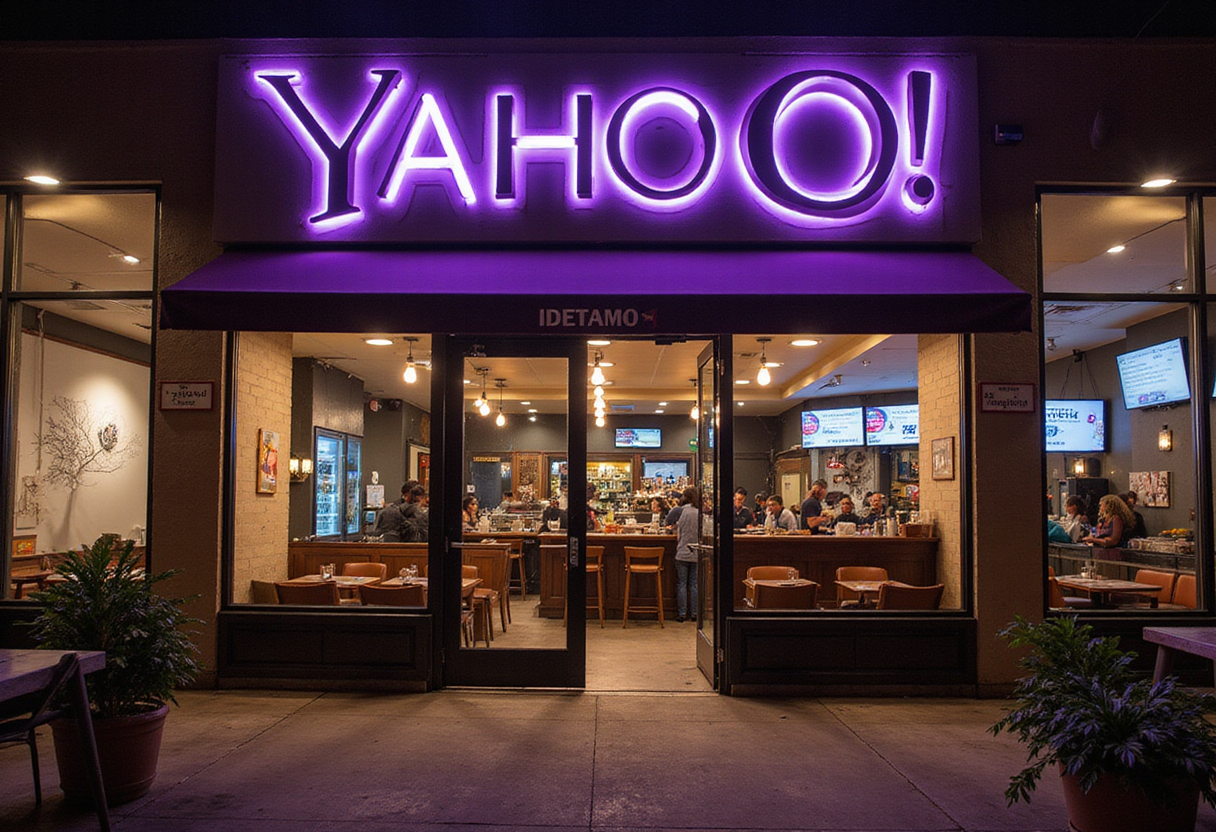
El Niño has returned to Southern California, and Los Angeles restaurants are bracing for what operators are calling "a serious impact on revenue."
That single phrase — the line Yahoo pulled from operators for its LA dining market coverage — frames a weather-driven anxiety that has swept the industry's collective mind faster than the rain itself.
What's the actual weather math?
El Niño winters tilt Southern California toward sustained rainfall, cooler temperatures, and more frequent coastal storms across late fall and early spring. Those are the months when the region's restaurants typically print some of their largest checks of the year: holiday buyouts, New Year's Eve seatings, and tourist flow that bleeds through February.
A wet pattern across those same weeks would push the season the other way. Cover counts soften. Turnover slows. Check averages drift toward lower-ticket indoor tables as outdoor covers drain out.
Where does the hit land?
Patio seating sits at the front of the line. Outdoor covers tend to print higher average tabs than indoor seats, and a sustained rain stretch inverts that mix without a single menu change. The LA dining scene built meaningful post-pandemic capacity around patio square footage, putting a long wet stretch directly on top of where operators invested most aggressively.
Delivery volume is the second pressure point. Wet-weather order counts typically soften as fewer diners walk out the door, and third-party delivery slows with fewer couriers on the road. Operators who spent the past three years building off-premise into their unit economics will read this season through completed orders, not covers.
Foot traffic rounds out the list. Neighborhood dining strips, coastal concepts, and downtown destinations all lean on casual visitor flow that wet weather drains in a hurry.
What does the inside of a restaurant feel when revenue dips?
This is where the Yahoo headline's three-word warning — "serious impact on revenue" — lands. Restaurants run on a structural imbalance: most of the cost of being open tomorrow does not flex with today's covers. Labor, rent, utilities, and the ingredients already on the line stay in place whether 40 guests show or 140. Revenue does flex. That gap is what turns a soft week into a serious quarter.
The likely operator plays are familiar. Tighter labor schedules against projected cover declines. Earlier-week delivery and catering promotions to front-load volume before any weekend washout. Hotel F&B programs leaning into stay-and-dine packages as visitor patterns shift. None of it is new — the question is pace.
Who wins, who loses?
Concepts with deep off-premise programs and third-party marketplace presence have a softer cushion. Independent operators running tight indoor dining rooms absorb the impact differently than the patio-heavy concepts that defined the post-pandemic buildout. Chain operators with national delivery infrastructure get to lean on scale. The neighborhood bistro that bet its growth on a new sidewalk permit feels every rainy Saturday.
That dispersion is what turns an El Niño season into a quarterly test rather than a single weather event.
What changes next?
El Niño winters in Southern California rarely deliver what the early forecast promises. They tend to land in pulses — dry weeks broken by punishing weekends — which gives operators real room to flex.
The industry's bias, per Yahoo's reporting, is braced rather than optimistic. How LA operators sequence labor, order pars, and capex over the next two months will decide whether this season ends as a soft quarter or a missed one.
More from Daniel Okafor
Show full bio
Correspondent covering companies, deals and strategy in Restaurant and hotel operations at The Pass Brief.
336 articles