El Camarón Peludo pairs Mexican seafood with natural wine
Taqueria Ramirez partners Apolinar and Cervantes opened El Camarón Peludo this year, a West Village Mexican seafood and natural wine bar built around shrimp from Sinaloa, Mexico, and Ecuador.
By Daniel Okafor
Three shrimp dishes anchor the menu at El Camarón Peludo, a Mexican seafood and natural wine bar that opened this year in Manhattan's West Village. The room stacks a working kitchen below and a wine bar above.
The concept belongs to Tania Apolinar and Giovanni Cervantes, whose Taqueria Ramirez is known for roasted and slow-cooked meats, and to chef Carlos Barrera, their partner in the kitchen.
Fresh shrimp arrives from Sinaloa, Mexico, Ecuador and other locales. The kitchen deshells and deveins it for three central shrimp dishes, then dresses the camarones zarandeados with a bright red salsa mixed with mayo.
That shrimp preparation borrows its format from Mexico's Pacific coast, where the original is usually fish, grilled in a flat wire grill basket.
Cervantes starts a fresh salsa each day and taste-tests the batch against the batch from the previous week, a small ritual that keeps a house condiment from drifting as volume builds.
What does the sourcing tell operators?
The buying map is wide: shrimp from Sinaloa, Ecuador and more locales; Spanish tuna broken down for a tostada; natural wine bottles sourced from all over the world.
The menu narrows it again. Three shrimp plates share one protein and one house salsa base, concentrating prep labor instead of spreading it across a broad card, a workable structure for a compact menu in a two-level room.
Published menu prices, check averages and cost-of-goods splits are not available for this opening, so the sourcing map and menu architecture offer the clearest read on the economics. The operational question for anyone watching: how much labor the shelling and deveining consumes before service, and what the wine program contributes to the check.
The upstairs display has its own pressure. Chilled seafood sits on ice in the window and bottles go into chilled buckets for service, so perishables and inventory rotate on a schedule the kitchen sets, not one the room sets.
Why did a seafood menu lead to natural wine?
Giovanni Cervantes said his original idea was to pair "innovative seafood plates" with bubbly wine; the pairing became the format.
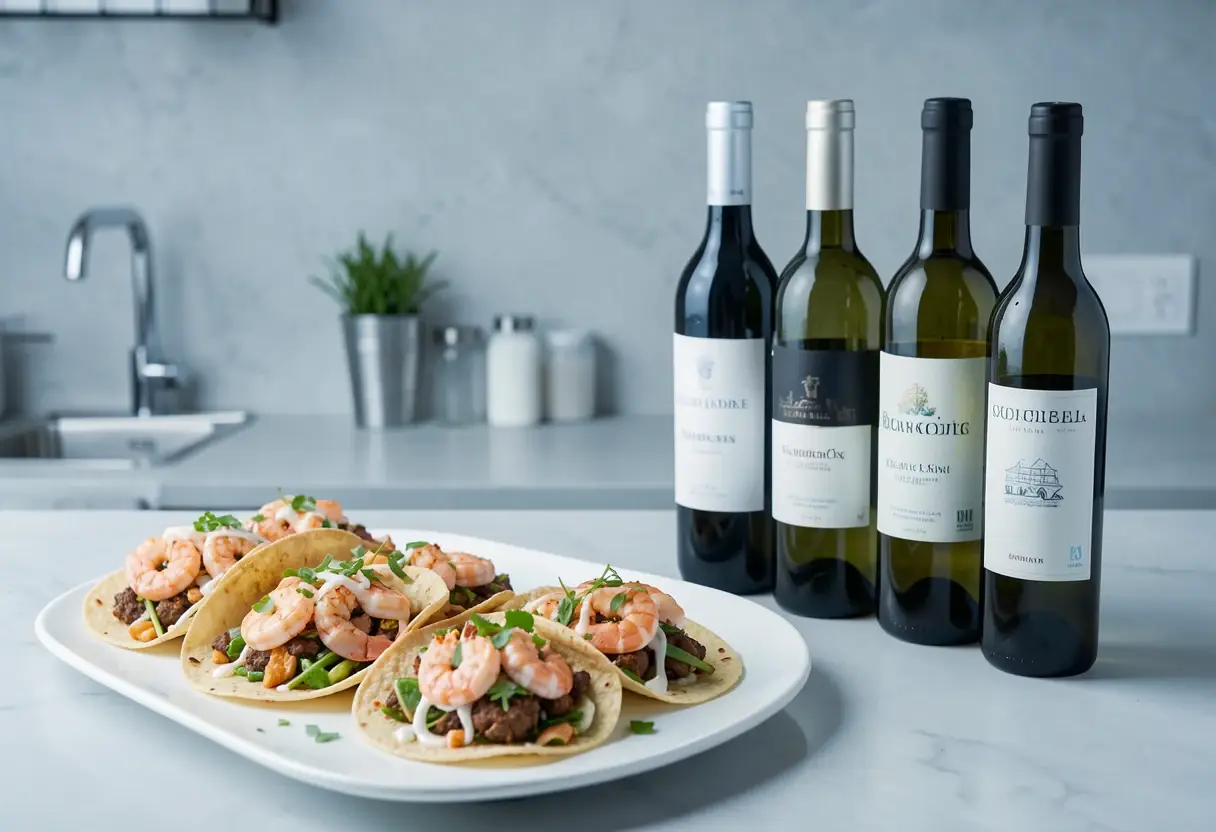
El Camarón Peludo operates as a natural wine bar sourcing bottles from "all over the world," with the seafood doing the menu work and the cellar doing the pairing.
Upstairs, Apolinar lays out chilled seafood on ice in the window and sets wine bottles in chilled buckets before service. She recommends "the long, winding bar," where guests can watch the bartenders and chefs work.
What does that change for a guest? The pairing arrives as theater rather than homework. The room stages wine and seafood together and puts the prep on display, so the wine list has to carry a seafood menu rather than sit beside it.
What else lands on the menu?
Barrera breaks down Spanish tuna for a creative tuna tostada, and the rest of the card splits across cooked, fried and raw preparations:
- Tuna tostada: Spanish tuna with spicy mayo, fish eggs, habanero-lime oil, avocado and crispy leeks.
- Pescadilla: A deep-fried fish taco.
- Shrimp taco: Queso fresco, refried beans and slices of roasted poblano pepper.
- Raw bar: A salsa verde made with parsley, and a salsa negro layered with habaneros, piquin chile and squid ink.
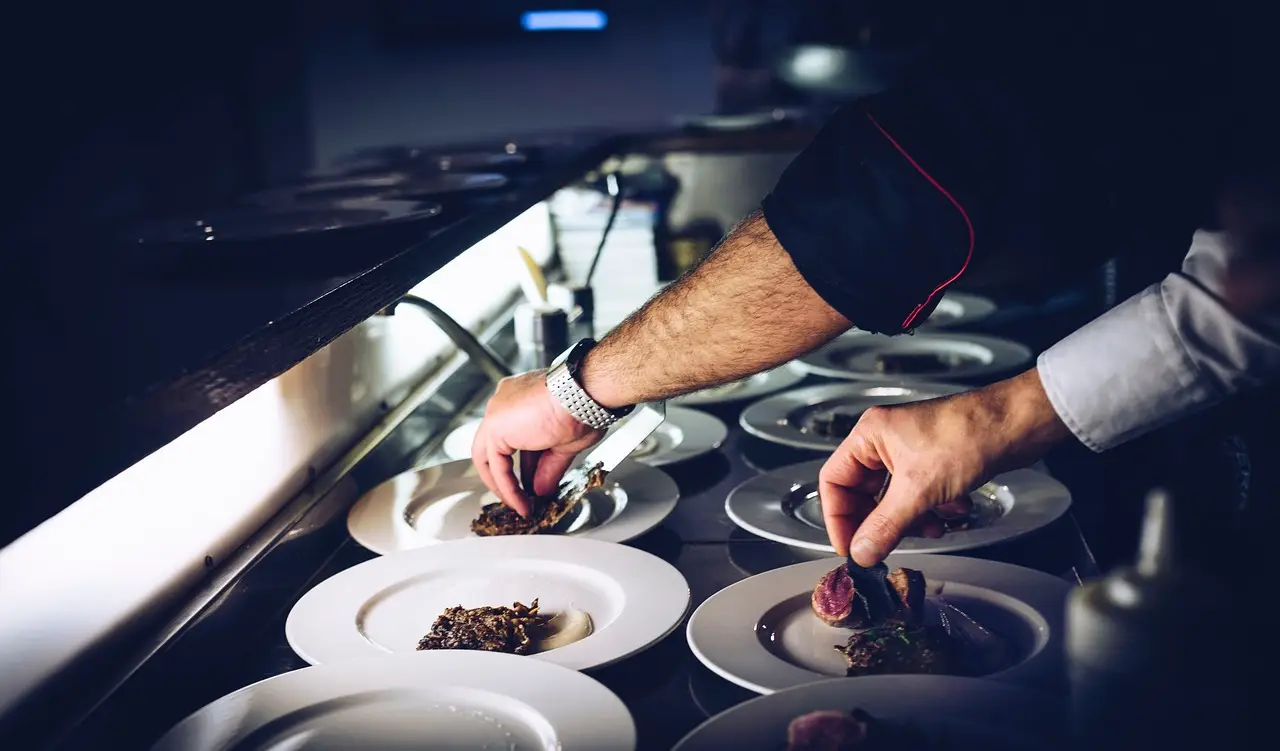
Eater's newest Now Open episode follows the team through a full prep day, from the shrimp butchery to tostadas, tacos and aguachile.
What has to hold as the room fills?
Cervantes' week-to-week salsa comparison is the kitchen's own quality-control test, and the open kitchen makes that consistency part of the guest experience.
If the shrimp, the Spanish tuna and the two house salsas hold their standard through a full service, El Camarón Peludo can turn a tightly built seafood menu into repeat traffic. If they drift, the display that draws guests in will show it.
More from Daniel Okafor
Show full bio
Correspondent covering companies, deals and strategy in Restaurant and hotel operations at The Pass Brief.
643 articles