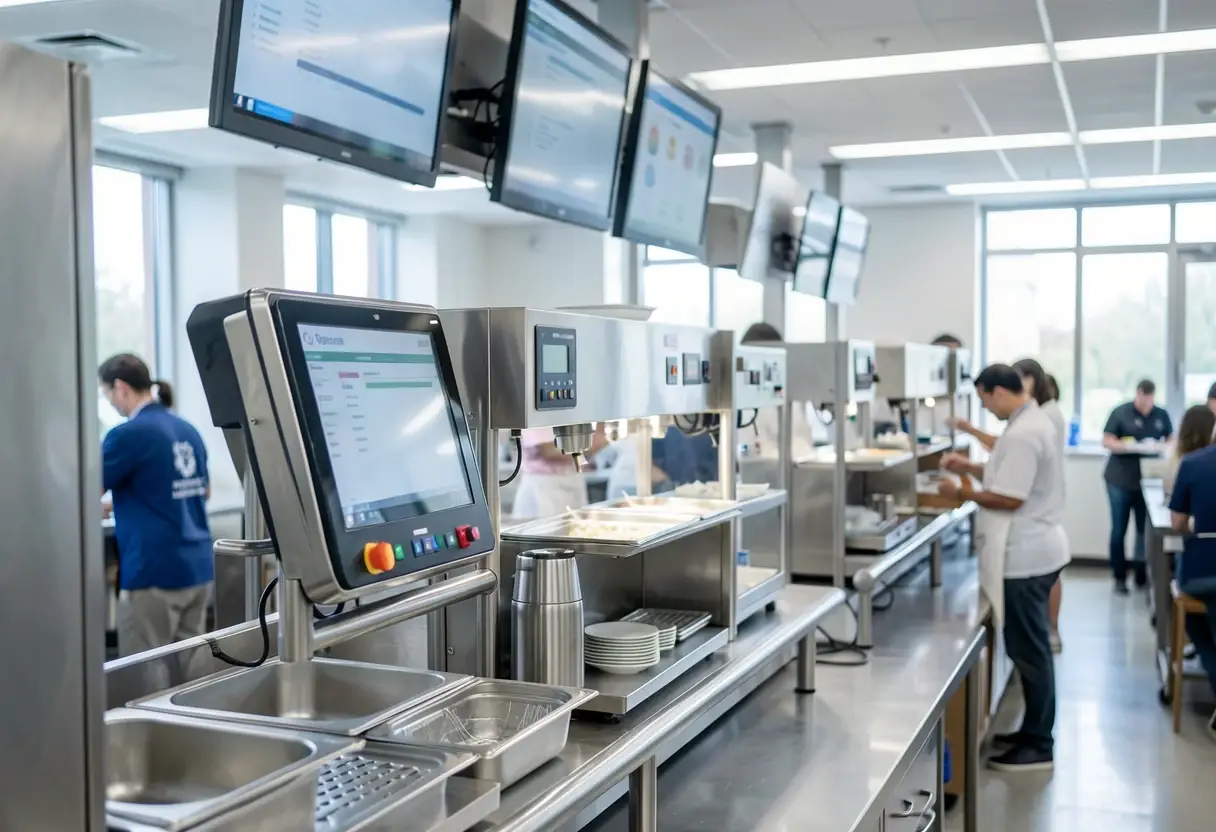
E. coli Outbreak Hits Tufts Dining Hall, Five Students Sickened
Five Tufts students are sick in an E. coli outbreak at Carmichael Dining Center. Inspectors kept it open Nov. 18; a re-inspection is set for Nov. 21 as supplier records come under review.
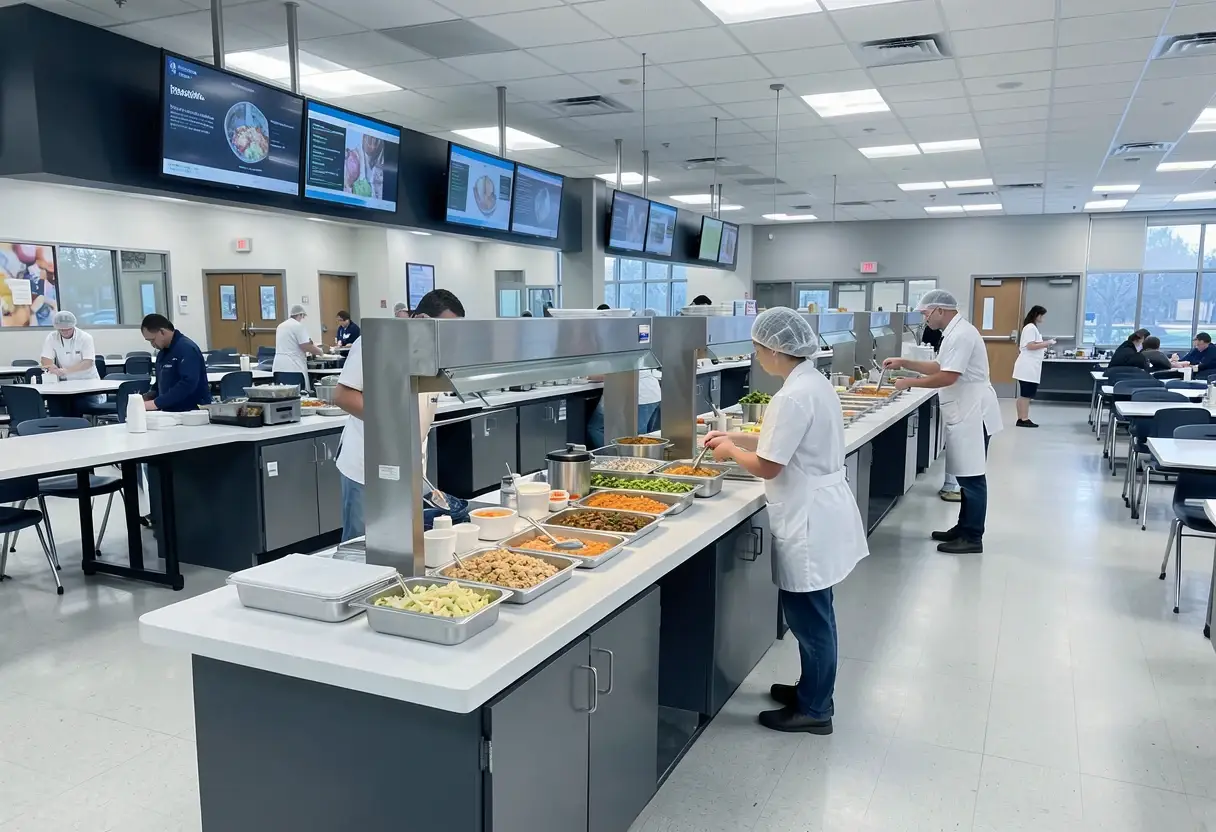
At least five Tufts University students have fallen ill in an E. coli outbreak tied to the Fresh at Carmichael Dining Center in Medford, Massachusetts, near Boston.
The Medford Board of Health inspected the dining hall on November 18 and found no evidence that it should close. Public health officials plan to return on November 21 for a follow-up inspection as the situation stays under active monitoring.
What does the investigation actually cover?
Tufts laid out the scope in a statement: "As part of the investigation, public health officials are interviewing affected individuals, reviewing menus, and looking into food suppliers. Tufts is cooperating fully with the Medford Board of Health and the Massachusetts Department of Public Health, including providing information about ingredients, purchasing, suppliers, and products served as requested to support the ongoing investigation."
That language matters for anyone running campus foodservice. When an E. coli outbreak surfaces, the paper trail — purchasing records, supplier lists, ingredient documentation — becomes the primary evidence. Operators who can't produce those records quickly face longer investigations and more disruption.
There's no evidence so far that other Tufts dining facilities have been affected. For a university that feeds thousands of students daily through multiple outlets, containing the outbreak to a single location is the first operational milestone.
A parallel outbreak at Ohio University
Separately, Ohio University in Athens County is dealing with its own E. coli outbreak. Officials have found nothing suggesting the two outbreaks are connected at this time.
The near-simultaneous outbreaks underline why college campuses are high-risk environments for this pathogen. Students live in close contact, and transmission can happen through food or drink, person-to-person contact, and contaminated surfaces — not just a single bad shipment.
What students should do now
Public health officials recommend that any student who develops symptoms of an E. coli infection contact Student Health Services. The practical guidance is simple: stay hydrated, consume bland foods, and get rest.
One complication deserves attention. Hemolytic uremic syndrome (HUS), a form of kidney failure, can follow an E. coli infection. It usually affects patients under age five, but anyone with a compromised immune system or a chronic illness is also susceptible. Anyone experiencing HUS symptoms needs to see a doctor immediately — that's an emergency, not a wait-and-see situation.
Why dining halls get hit
The mechanics here are structural. High-volume procurement, shared serving equipment, and dense residential populations all multiply exposure pathways. A single contaminated ingredient that enters a supplier's distribution can reach thousands of plates in days, which is exactly why investigators started with menus and suppliers rather than with the facility itself.
The November 21 re-inspection is the next concrete checkpoint. If inspectors again find no cause for closure, attention will shift to the supplier review — and to whether the case count stays at five.
More from Olivia Hart
Show full bio
Staff writer covering regulation, policy and their impact on Restaurant and hotel operations at The Pass Brief.
779 articles