Dutch operator Ramzy, 33, sells half his hospitality empire
A 33-year-old Dutch hospitality operator has been forced to divest roughly half his holdings, per Het Parool. Founder Ramez Ramzy admits: "Of course I look in the mirror and ask what went wrong."
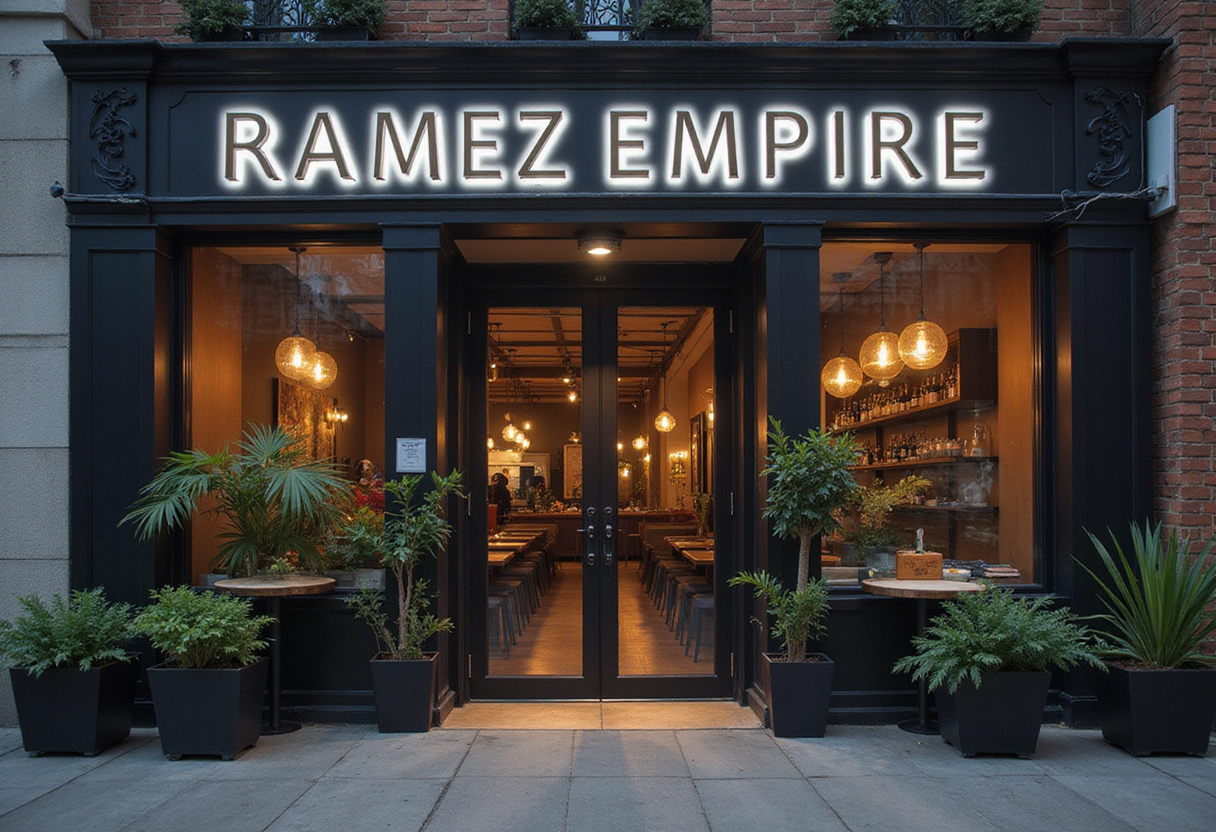
A 33-year-old Dutch hospitality operator has been forced to divest roughly half of his restaurant holdings, according to Het Parool, in a contraction that highlights how thin the margin remains for ambitious young founders in the European market.
Ramez Ramzy told the Amsterdam newspaper that the wind-down has prompted an honest reckoning, framing the moment as a chance to evaluate what led to the diminished footprint rather than attribute the loss to market forces alone.
"Of course I look in the mirror and ask what went wrong," Ramzy said in remarks published by Het Parool.
How large was the portfolio before the sale?
Het Parool's profile characterizes Ramzy's business as an "empire" — a term that, in Dutch hospitality coverage, typically signals multiple concepts or locations rather than a single venue. The decision to sell "half" points to a structured divestment, with assets transferred to new operators or financial partners rather than a bankruptcy liquidation.
The age of the founder stands out. Operators reaching multi-unit scale before turning 35 remain rare in European hospitality, where unit-level cash flow, lease commitments, and labor reliability tend to slow expansion. A pull-back at this stage usually signals that debt service or partner obligations have outpaced concept-level revenue.
What does Ramzy's self-assessment tell us?
The "look in the mirror" line signals that Ramzy attributes part of the contraction to decisions he made, not external demand softening. Public statements of this kind typically follow introspection about execution:
- menu engineering
- location selection
- operating partner choices
- capital structure
Hospitality operators who choose directness over deflection tend to preserve the variables that matter most for any slimmed-down business: remaining kitchen staff, supplier credit lines, and lender posture. Each of those relationships is harder to rebuild than to keep.
Why does a forced contraction at 33 matter for the sector?
Operator pull-backs at the prime founding age typically correlate with overexpansion relative to the management depth and capital reserve the underlying business could sustain. They also tend to surface during periods of softening same-store sales and tighter lender underwriting.
The Dutch market is not immune. Amsterdam dining has faced same-store sales pressure since 2023 as tourism patterns shifted and consumer spending normalized, putting pressure on mid-market concepts where labor cost percentages routinely hover above 30 percent.
What comes next?
The remaining half of Ramzy's holdings becomes the operative test. Whether the trimmed operation can stabilize at the unit level — at what labor percentage, what food cost, and at what average check — will determine whether a second round of divestment follows within 18 months.
For now, the founder's willingness to put the self-assessment on the record may be the most useful asset he carries forward.
More from Elena Vasquez
Show full bio
News editor covering industry trends and analytics at The Pass Brief.
245 articles