Dayuse Brings Daypass to U.S. Hotels, Promising Up to $300K in Daytime Revenue
Dayuse launches Daypass in the U.S., letting hotels sell pools, cabanas and spa access by the day, with partner properties earning up to $300K annually in daytime revenue.
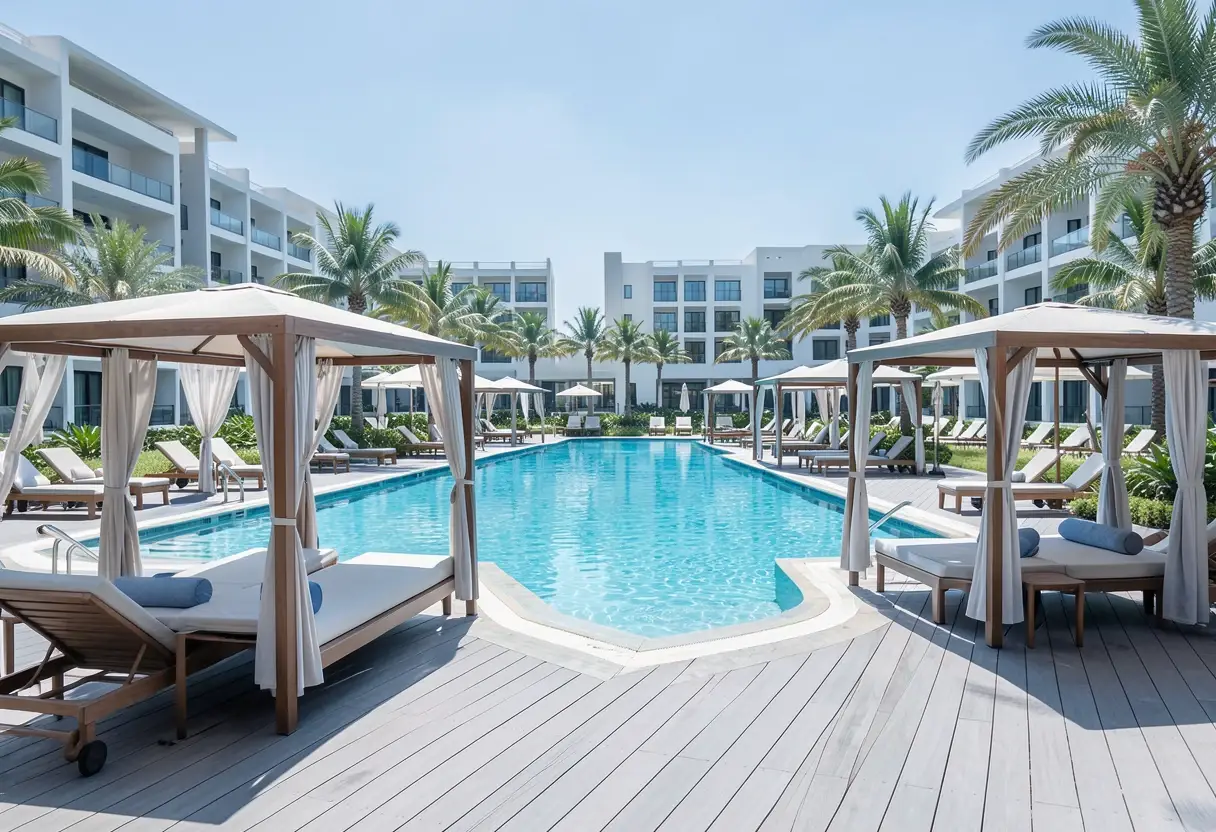
Dayuse says partner hotels can earn up to $300,000 a year in daytime revenue through its new Daypass product, launched this week in the United States. The platform, which has specialized in daytime hotel bookings since 2011, now lets hotels sell access to pools, cabanas, spas, rooftops and beach clubs to customers who never check in for the night.
The rollout is live today in South Florida (Miami and Fort Lauderdale), Los Angeles, Orlando and Scottsdale. Texas, Las Vegas and Nashville follow next, with Phoenix, San Diego, Palm Springs and Denver behind them. Daypass is open to any U.S. hotel holding a pool, cabanas, a spa, a rooftop or beach access.
What problem does Daypass solve?
The economics are straightforward. A hotel pool on a quiet Tuesday is fully staffed and fully depreciated: water treated, lifeguard on shift, cabanas made up. The property pays for all of it, yet captures revenue only if an overnight guest happens to swim. Daypass fills those empty hours with day guests who come specifically for the amenities.
Dayuse's own data shows the spend pattern rewards the model. Day guests spend 35 to 40 percent more on-site than overnight guests, according to the company.
The revenue arrives through four channels Dayuse identifies:
- Entry passes on capacity the hotel already pays for
- Premium upgrades, chiefly cabanas and daybeds
- On-site spend across F&B, spa and add-ons
- Monetization of quiet days and unsold hours
What does the hotel commit to?
Very little, which is the pitch. The hotel sets its own rates, inventory and open days, and can begin with a handful of passes or a single cabana. There is no setup fee and no fixed cost. Dayuse earns a commission only on bookings it delivers — the classic agency model, with the platform carrying the demand risk.
Guests prepay online and may cancel free up to 25 hours before arrival, after which the booking is guaranteed. That cancellation window hands the hotel a confirmed customer while still offering consumer flexibility.
The technical lift is minimal. Daypass runs on an independent portal with no PMS (property management system) integration required, so a hotel can go live in as little as 10 days. For independent properties and smaller management groups without deep IT resources, that speed matters more than it might appear.
Is there actual demand?
Dayuse points to its April 2026 customer survey of 2,000 U.S. guests. Nine in ten said they would consider a day pass. Among the most interested respondents, 68 percent want pool access and 52 percent expect food and beverage options — a signal that operators should treat F&B packages as core inventory rather than an upsell.
The company is also putting marketing money behind the funnel: a $16 million marketing and communications investment, aimed at an existing base of more than 3 million active customers.
Who is Dayuse?
The Paris-rooted company has operated in daytime bookings since 2011. It works with more than 11,000 partner hotels across 30 countries, reports over $1 billion in business volume and counts 12 million-plus bookings since launch. The United States is its largest market, with more than 3,000 hotels and over 750,000 bookings in 2025 alone.
That installed base gives Daypass a running start. The new product effectively converts Dayuse's existing audience into foot traffic for pools and spas, rather than requiring hotels to build their own local demand.
What should operators watch?
For hotels with heavy fixed amenity costs — resort properties in warm-weather markets, chiefly — Daypass functions as incremental revenue against sunk labor and utilities. The commission-only structure means the downside is limited to crowding and brand considerations; a packed pool on a Saturday may please the F&B line and irritate paying room guests in equal measure. Rate and inventory controls exist precisely for that tension.
With Texas, Las Vegas and Nashville opening next, and Sun Belt leisure markets queuing behind them, the test will be whether U.S. operators convert underused deck space into a measurable revenue line — or decide their pools were quiet for a reason.
More from Rebecca Stone
Show full bio
Senior reporter covering technology and product news in Restaurant and hotel operations at The Pass Brief.
611 articles