Dance music hits $15.1B as hotels miss the high-earning raver's spend
Dance music hit $15.1B and Ibiza passed $1B in a single month of visitor spending — yet hotels let high-earning rave guests spend nearly everything off-site.
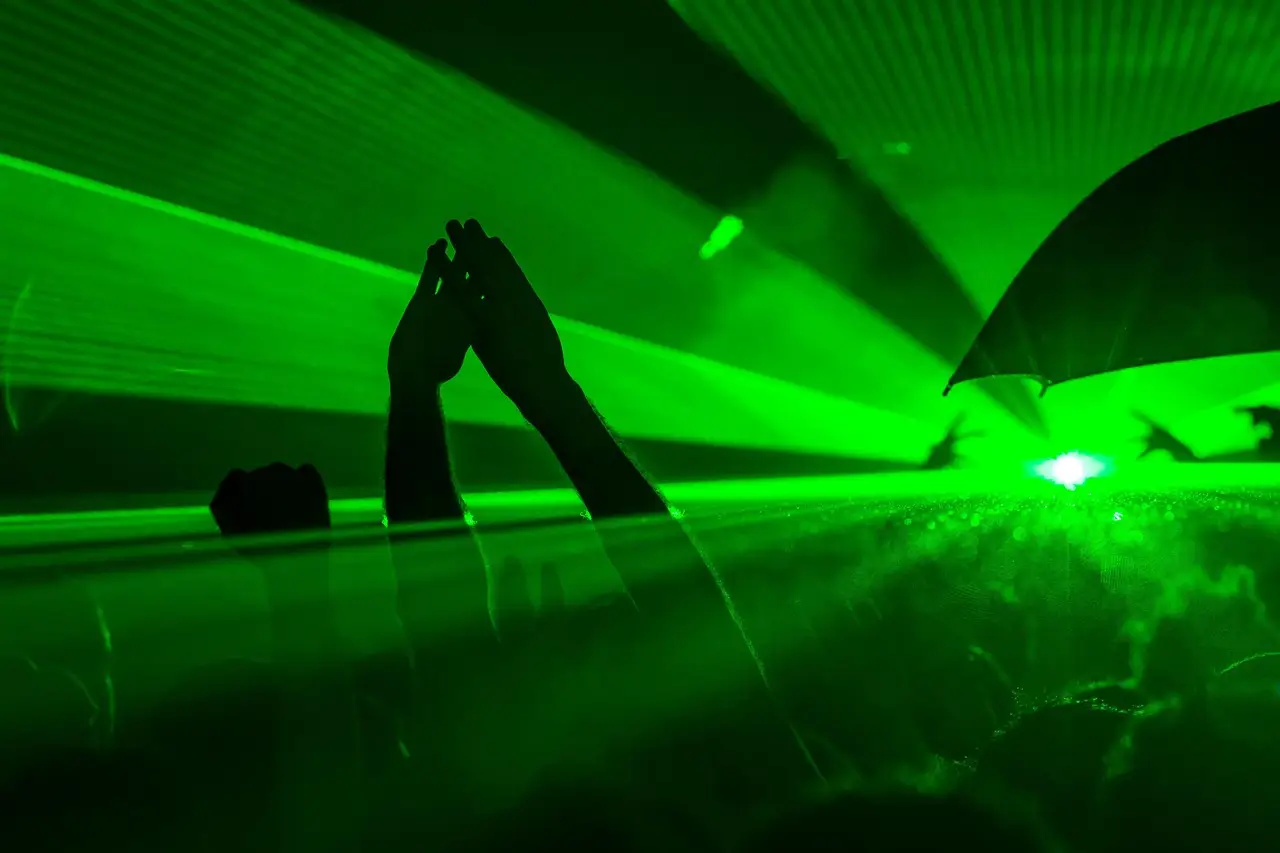
The global dance music industry has reached $15.1 billion, much of it generated by live events, and Ibiza just passed $1 billion in visitor spending in a single month for the first time. The genre's biggest event drew more than 600,000 attendees over five days. Yet the hotels hosting these travelers often capture almost none of the money beyond the room rate.
That's the core argument behind what one analyst calls the "high-earning raver": a guest profile that most properties misread, and whose untapped spending happens entirely off-site.
Who is the high-earning raver?
Picture the guest wrong and you miss the revenue. Most operators still imagine rave travelers as broke students on a budget weekend. The evidence says otherwise.
The typical profile spans generations — attendees born anywhere from 1974 to 2003, with some veterans pledging to "rave to the grave." These are professionals with careers, disposable income and a specific travel motive: the nightlife scene itself is the destination, not a coincidence of a pop star's tour routing.
Consider two composite guests checking into a prominent Amsterdam hotel on the last Thursday of July 2027. One is a 26-year-old senior software engineer at JPMorgan Chase, recently promoted, flying in from Chicago for Pride weekend. The other is a 41-year-old dermatologist from Istanbul who owns her own clinic and has attended the Dekmantel festival every year since 2024. Both land the same weekend, both travel for dance music, and neither is on a business trip.
Why the demand keeps growing
Leisure travel spending is expected to triple by 2040, and event-driven travel sits at the sharp end of that curve. The mechanism has precedent: during Taylor Swift's Eras Tour, fans discovered that flying abroad for a show — improvised vacation included — could cost less than a hometown ticket. The "Swiftonomics" effect filled hotels in every tour city.
Cities that don't wait for a superstar do even better. Ibiza, Berlin and Miami built the template, and the list of nightlife-first destinations grows every year, pulling a steady weekly stream of visitors rather than a one-off spike. After years of lockdown and digital overload, in-person events have become an escape valve, with raves as the leading example.
What does this change for hotels?
On a sold-out rave weekend, the room rate is fixed. The only revenue left to grow is everything around the stay — and in most properties, that money leaks out of the building entirely.
The two Amsterdam guests show exactly where. Michael arrives at 10 a.m., but his room isn't ready, so he wanders off and finds an eatery two blocks away. He showers, grabs the set times and afterparty schedule, and the hotel doesn't see him again until 7 a.m. the next day. Sara lands at check-in time, but a canceled ride and a dying phone delay her until 4:52 p.m. Before dinner and an afterparty she leaves again to find a blowout and manicure off-site. On the way back, every food outlet is closed, so she eats the granola bar in her purse. Neither guest leaves a review. The rave was memorable; the hotel was transactional.
The fixes are structural, not cosmetic. Early check-in and a welcome snack would have kept Michael on-site long enough to discover the rooftop bar and gift shop. Telling Sara about guest services at booking, or having the concierge ask about her evening plans, would have produced pre-arranged transport, a slot at the hotel's beauty bar and a turkey melt from a 24-hour menu. Each of those is revenue the property already owns the capacity to sell.
The two-stage rhythm operators miss
Rave guests run on a different clock. They're awake when other guests sleep, they eat breakfast for lunch, and they still care about making DJ sets on time. Once an operator spots that rhythm, the upsell opens along the event's natural arc.
Before the show comes the anticipation stage: the buzz after landing, meeting friends, picking outfits, warming up. After it comes the comedown: sore legs, huge appetite, serious thirst, then a need to unplug and recharge. The cycle usually repeats at least twice in one stay, which means each stage presents a second and third selling opportunity.
When a stay is going well, guests enter what the analysis calls "Experience Momentum" — they're likelier to upgrade into offerings that create core memories around the event. The hotel that builds those offerings earns more per guest and becomes a repeat destination in its own right.
The operator-level question is straightforward: how do you keep rave guests at the property longer, make them feel looked after, and set them up for a successful second day the minute they wake up? Answering that, the argument goes, is how a hotel stops the spend leak and turns a sold-out dance-music weekend into a fresh, repeatable revenue stream.
More from Olivia Hart
Show full bio
Staff writer covering regulation, policy and their impact on Restaurant and hotel operations at The Pass Brief.
788 articles