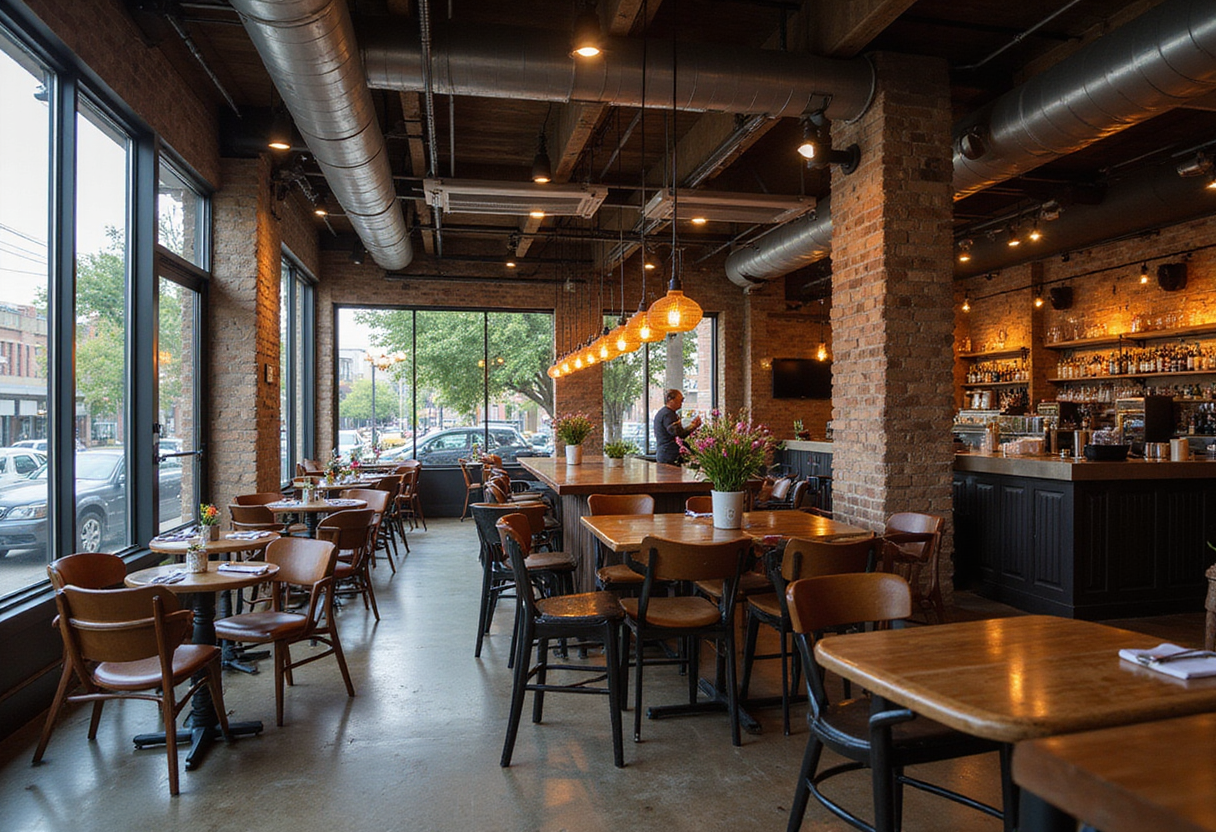
Dallas Restaurant Growth Draws Operators' Attention
On Deck Concepts and La Lupita say Dallas restaurants are still growing. But the report skips the numbers that would prove it: units, margins, and timelines.
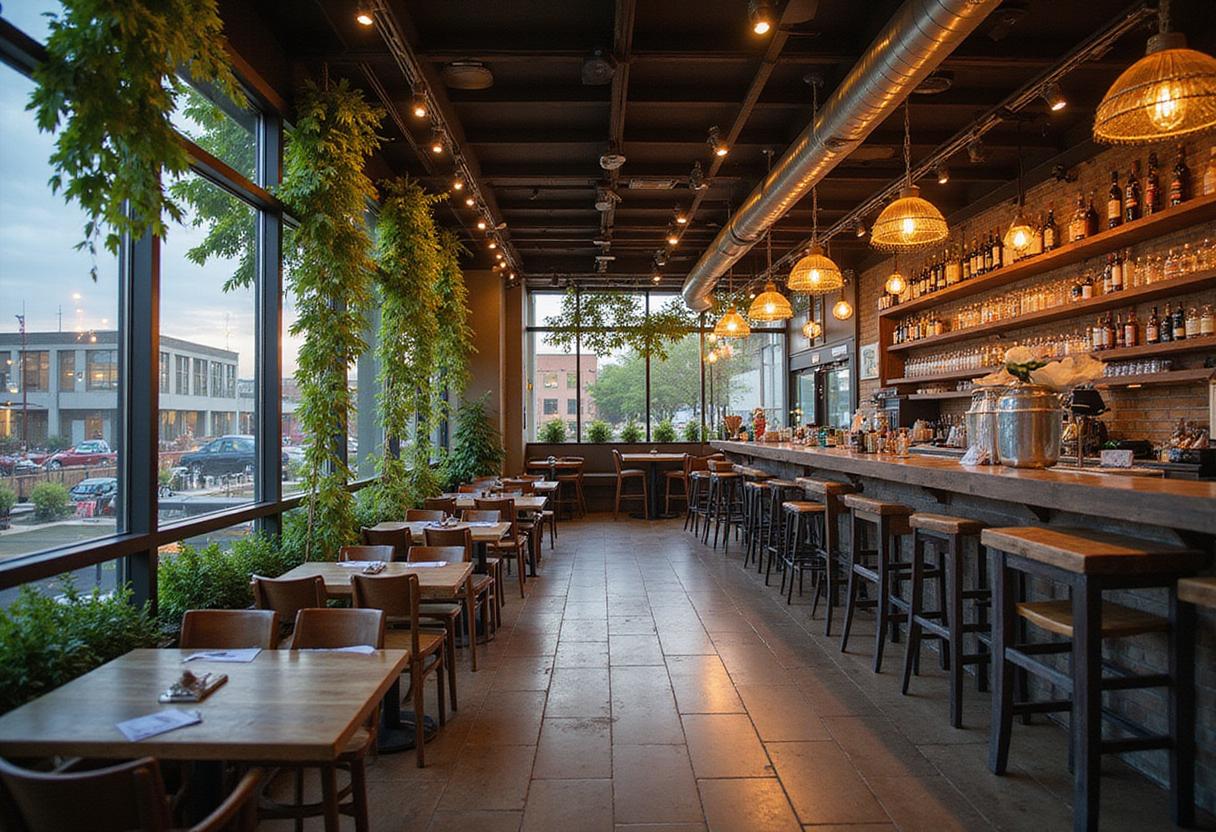
Dallas restaurant operators are signaling continued growth in one of the country's most competitive dining markets. Two of them — On Deck Concepts and La Lupita — offered their view on what comes next in a recent interview with WhatNow.
The report carries weight because of who spoke. On Deck Concepts operates multiple restaurant concepts in the Dallas market. La Lupita runs a neighborhood-focused operation with a loyal base. Together they represent both the multi-concept operator camp and the independent restaurant camp.
What the two operators agree on is direction. They see the Dallas restaurant industry as growing, not contracting, despite the cost pressures that have squeezed operators nationally since the pandemic.
What did the operators actually say?
The source report is thin on operating detail. It does not publish unit counts, check averages, or sales figures for either operator. It does not break down labor costs, cost of goods, or occupancy burdens — the numbers that typically explain why a market grows while others stall.
That absence matters. A growing market can still be a low-margin market. Dallas has absorbed significant new supply in recent years, and growth in covers does not automatically translate into growth in profit per cover.
Readers should treat the growth claim as an operator sentiment reading, not a verified performance disclosure. Neither company appears to have released audited figures alongside the commentary.
Why Dallas, and why now?
The operators' willingness to speak publicly about expansion prospects suggests confidence at the ownership level. Multi-concept groups like On Deck Concepts rarely signal openness about what is next unless site selection and capital are already in motion.
La Lupita's participation points to a different calculation. Independent operators expand more cautiously. Their commentary on the market's direction likely reflects current traffic and booking patterns rather than pipeline plans.
The report does not specify which neighborhoods, formats, or concepts either operator is weighing. It also does not state whether any openings carry target dates.
What is not in the report?
Several questions remain open:
- Neither operator disclosed expansion timelines or target unit counts.
- The report contains no pricing or menu strategy detail.
- No ownership, investment, or financing structure appears in the piece.
- The source does not distinguish between company-operated growth and any franchised or licensed activity.
The absence of financing detail is notable. Capital access, not consumer demand, has been the binding constraint for most mid-sized restaurant groups over the past two years. An operator talking about growth without talking about funding leaves the harder half of the story untold.
What comes next?
Both operators framed Dallas as a market with room to run. That claim aligns with the city's population and corporate-relocation trajectory, though the report itself does not cite those drivers.
Watch for concrete signals in the months ahead: signed leases, announced openings, or menu and concept launches from either group. Until those appear, the growth story rests on operator optimism — a real signal, but not yet a verified one.
More from Marcus Bennett
Show full bio
Market editor covering technology and product news in Restaurant and hotel operations at The Pass Brief.
352 articles