Columbus Gets The Line, a Restaurant That Doubles as a Training Ground
The Line, a new Columbus restaurant, doubles as a training ground, serving guests while preparing workers for food-service careers on the job.
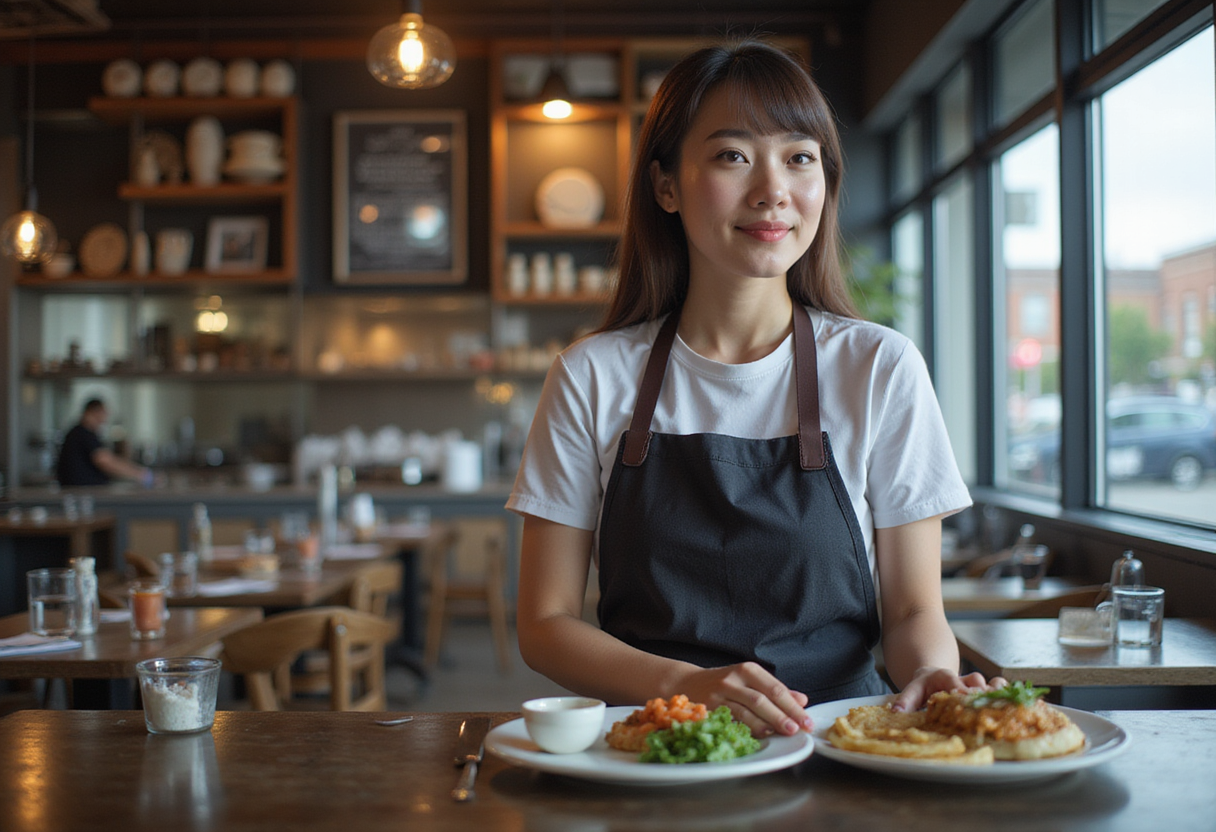
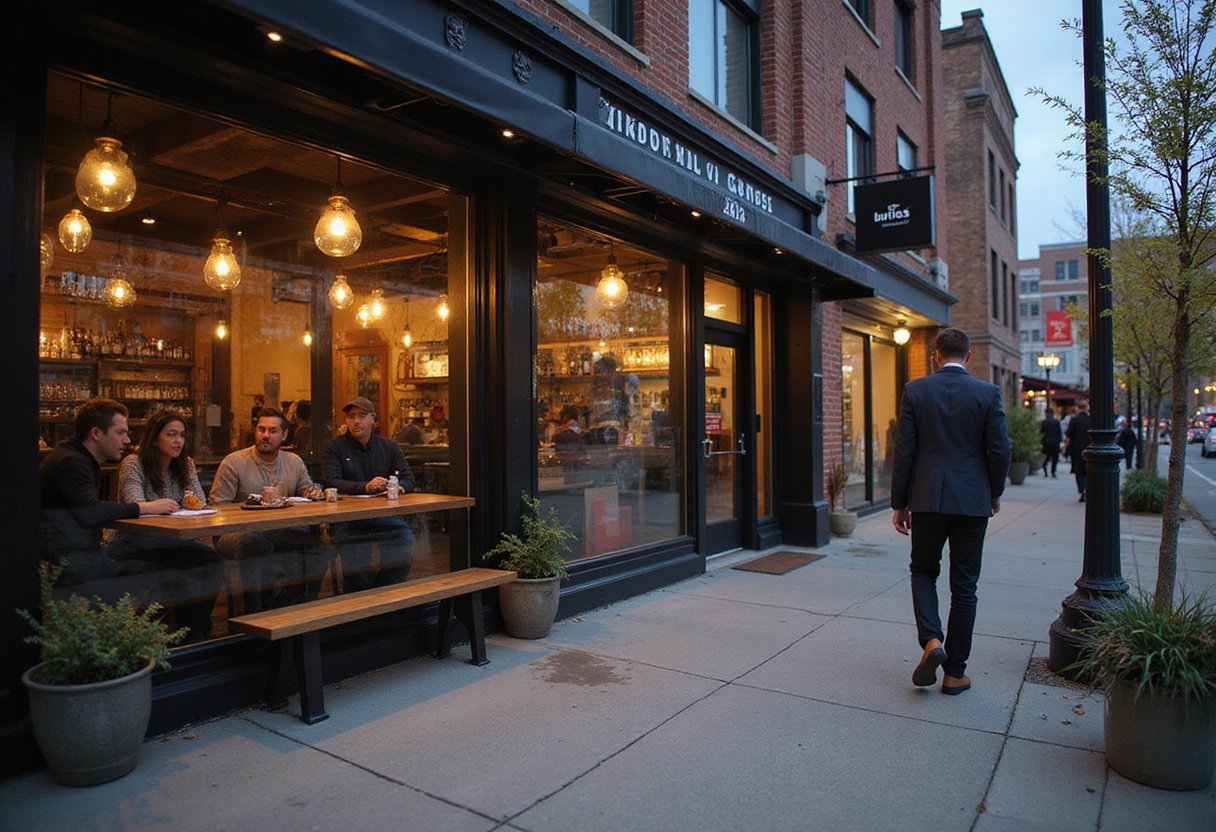
A new restaurant called The Line has opened in Columbus, Ohio, and it's doing two jobs at once: feeding customers and training the industry's next workforce.
The concept, reported by The Columbus Dispatch, operates as a functioning restaurant while simultaneously serving as a training ground — a hybrid model that a small but growing number of operators and workforce advocates are watching closely as restaurants nationwide struggle with persistent labor shortages and rising training costs.
Details on the project remain limited in the initial report. What's clear is the core structure: The Line runs as a real restaurant, with real guests and real service, while doubling as a site where workers learn the trade on the job rather than in a classroom.
Why the dual model matters
Hospitality training programs that operate inside live restaurants carry a different economics profile than traditional culinary schools or corporate training centers. Trainees generate revenue while they learn. The house doesn't carry the full cost of instruction as a pure overhead line — some of it gets absorbed into regular operations.
That framing matters for an industry where labor remains the largest controllable expense for most full-service operators, and where turnover keeps forcing operators to re-spend on recruiting and onboarding. A training-ground restaurant flips that equation: instead of paying to constantly replace departing staff, the model invests in a pipeline.
For Columbus specifically, the arrival of such a concept adds to the city's growing reputation as a mid-scale Midwest test market, one where restaurant groups frequently pilot formats before wider rollout.
What does this change for operators?
Practically, a working training restaurant gives the local market a place to source kitchen- and service-trained candidates who've already operated under real service conditions — not simulation. Operators hiring in central Ohio may find the model shortens their own onboarding curves.
For the restaurant itself, the model carries obvious tradeoffs. Training staff mid-service can slow ticket times and complicate consistency, which puts pressure on menu engineering: programs like this typically lean on formats that forgive variability. How The Line structures its menu, pricing and staffing mix to absorb those constraints will determine whether the hybrid holds up commercially.
The bigger picture
The Line opens into an industry still working through elevated wages, tight labor pools and heightened scrutiny of career pathways in food service. Restaurants that can credibly market themselves as places to learn a trade — rather than just hold a job — have a recruiting edge, and the training-ground format makes that pitch literal.
Whether the Columbus concept becomes a template or a one-off will depend on the numbers the operators can't yet show: check averages, retention rates and how quickly trainees move into permanent roles. Watch for follow-up reporting as the restaurant releases more detail on its program structure and first cohorts.
More from Daniel Okafor
Show full bio
Correspondent covering companies, deals and strategy in Restaurant and hotel operations at The Pass Brief.
336 articles