CLLIX Sees 2027 Apartment Demand Rising as Value Overtakes Rate
Australian holidays have shortened to five to seven days as travelers seek total-stay value. CLLIX expects apartment demand to strengthen in 2027 but warns broad discounts can erode margins.

Australian holidays now average five to seven days, down from two weeks, according to Accommodation Australia data shared by CLLIX Apartments and Hotels.
Australians are also booking later and taking shorter breaks. CLLIX cited Expedia research showing a 10% increase in Australians using its all-inclusive search filter.
Those figures point to a reset in purchase behavior. They do not prove travelers will accept any low rate. Neither statistic establishes the depth of demand across the Australian market, and the release provides no sample size, reporting period or methodology for either study.
What counts as value when rates rise?
CLLIX Chief Commercial Officer Shankar Kotha framed the commercial decision this way: “Price is often the starting point, but value is what closes the booking.”
His premise is straightforward. A low room rate can still produce a costly stay if location, space or daily expenses remain unfavorable.
Travelers now compare room rate with location, space, convenience and additional costs. They also want clear inclusions. Those features help control the total outlay.
Apartment-style properties address that calculation directly. Kitchens, laundry and separate living areas can reduce food and laundry spending. They also add room and comfort. CLLIX expects stronger demand, especially among families and longer-stay guests.
The group also reports movement from five-star to four-star properties. Guests appear willing to trade formal status for comfort, quality and value. The release offers no booking-volume data to measure that substitution.
Why can apartments lower the cost of a stay?
Corporate travel is changing at the same time. CLLIX says businesses are consolidating frequent short visits into fewer, longer trips. Their stated aim is to gain more from each journey and control total travel costs. Guests also value space to work comfortably and maintain usual routines.
That pattern favors apartments with layouts colleagues can share. A two-bedroom apartment can divide cost among a team. A kitchen can also reduce per-person meal spending. These are plausible savings, not verified guest savings; CLLIX publishes no comparative travel budgets.
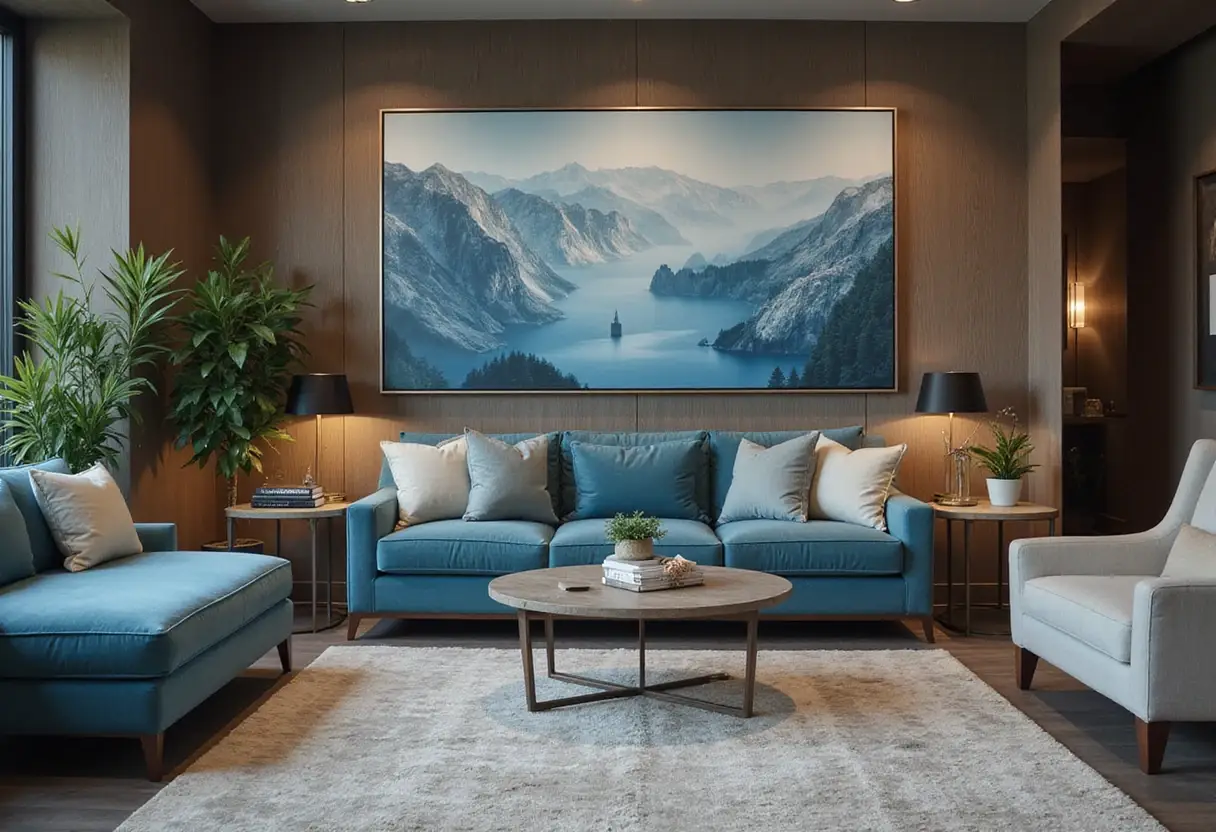
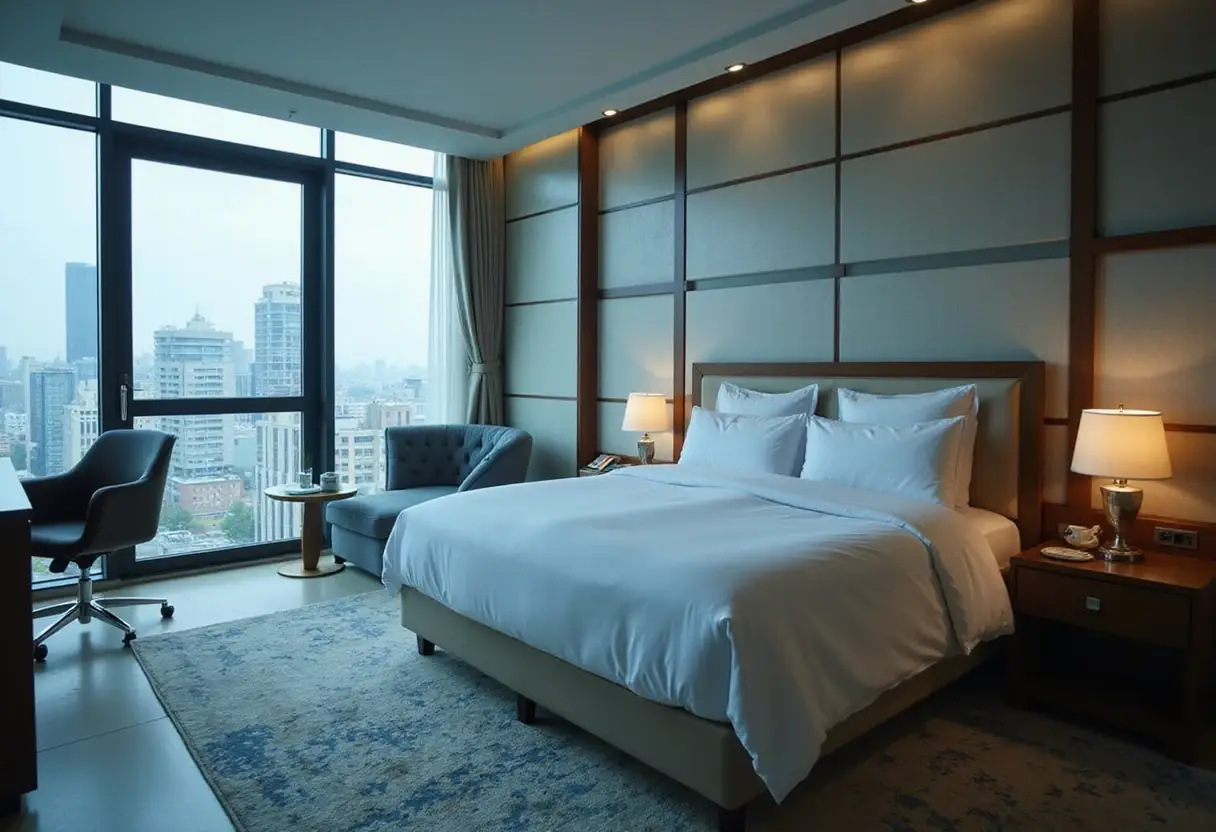
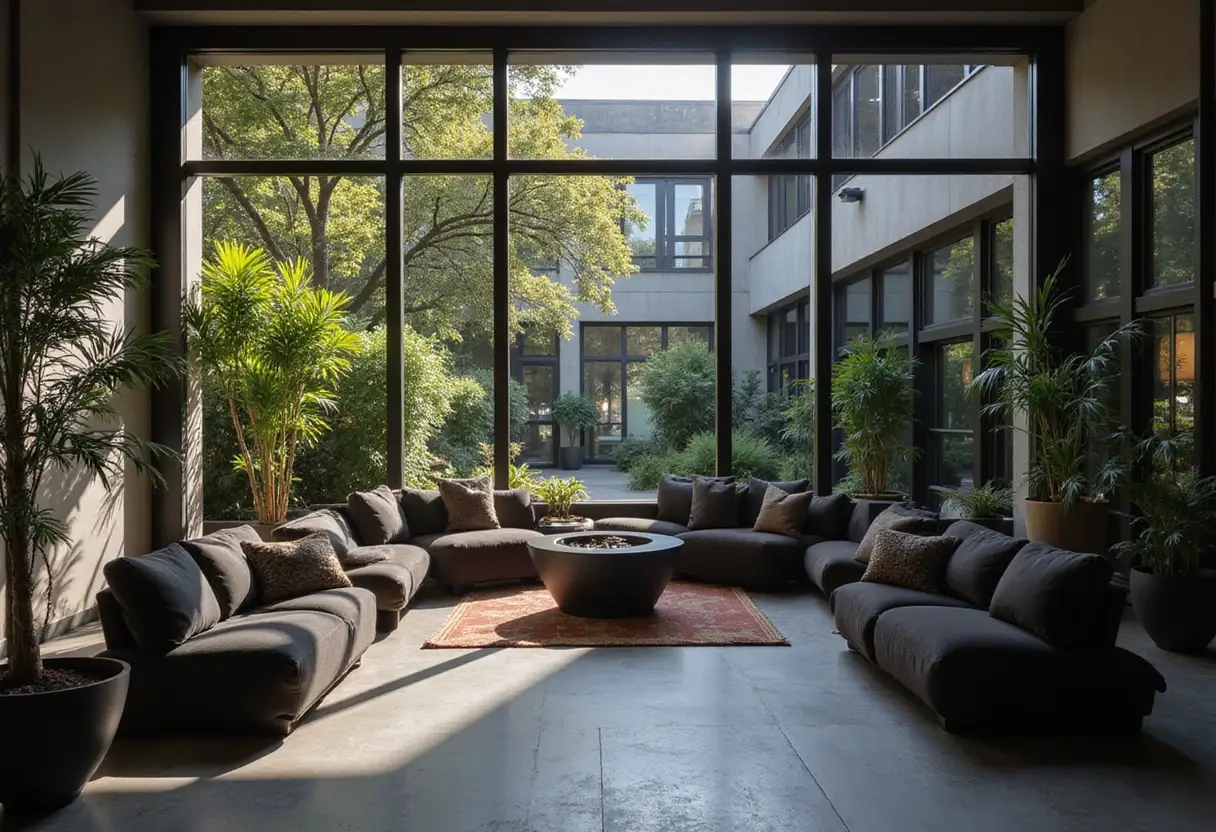
Operators must explain those benefits during booking. Unclear inclusions may not influence the booking decision. The CLLIX release showed three properties:
- The Culinan Apartments by CLLIX in Adelaide, shown as a one-bedroom apartment.
- The Coterie Apartments by CLLIX in Brisbane, shown with a two-bedroom apartment.
- Yves Mermaid Beach Apartments by CLLIX.
Can discounting protect occupancy without sacrificing margins?
CLLIX is wary of using broad discounts to fill rooms. Kotha said: “Discounting should be targeted and commercially justified. Broad rate reductions may generate bookings in the short term, but they can also erode margins and make it harder to rebuild rate expectations.”
The group evaluates demand, booking pace, length of stay and net contribution for each booking. It also considers added value, flexible offers and direct-booking benefits. That approach protects rate integrity while giving guests a reason to book direct.
The strategy does not favor occupancy at any cost. CLLIX says occupancy matters, but the quality and profitability of that occupancy matter just as much. The company discloses no occupancy rate, average daily rate, discount depth or contribution margin. Operators cannot benchmark the economics from this release.
Can apartment demand strengthen in 2027?
CLLIX expects strong growth potential for apartment accommodation in 2027. Longer corporate trips, family travel and extended stays support its case. That category shift could create demand for apartments offering comfort, convenience and affordability.
The company sees apartments becoming a mainstream alternative to traditional hotels, rather than a product reserved for extended stays, because kitchens, laundries and separate living spaces offer broader appeal when customers compare the full cost and experience of a trip.
That forecast remains a management expectation, not a disclosed pipeline. CLLIX provides no unit count, portfolio target, occupancy forecast or revenue projection. Its conditions are straightforward: maintained apartments, reliable service, competitive pricing and a consistent guest experience.
Travelers appear to place less weight on the cheapest nightly rate and more on control, space and flexibility over total spending. Apartment operators can capture that demand, but only if they price each booking for net contribution and explain inclusions clearly enough to close the booking.
More from Marcus Bennett
Show full bio
Market editor covering technology and product news in Restaurant and hotel operations at The Pass Brief.
657 articles