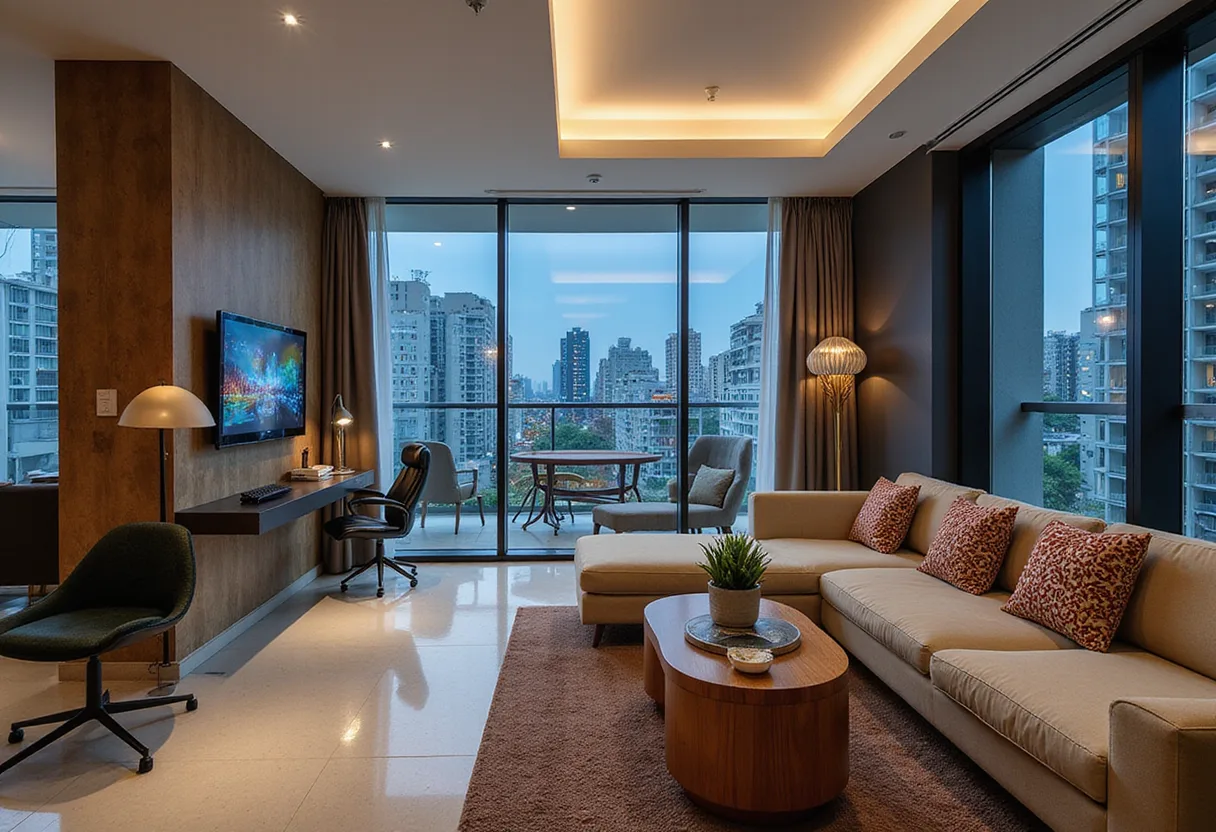
The Leela Reports 30% Room Rate Growth on Luxury Demand
The Leela has reported 30% room rate growth, a figure that signals deep pricing power in India's luxury travel segment and margin upside with little added cost.

Hotel Leela Ventured-brand properties — the Leela Palaces, Hotels and Resorts portfolio — have reported room rate growth of 30%, according to Asian Hospitality. That figure is the single hardest number in the story, and it says a lot about where the money is moving in Indian hospitality right now.
A 30% rate increase isn't inflation noise. It's pricing power, and in the hotel business pricing power shows up almost directly on the bottom line, because the incremental revenue from a higher rate carries very little extra cost. A room sold for more doesn't cost meaningably more to clean or light.
What's driving the number?
The reported growth is tied to a surge in luxury demand. In plain terms: more travelers are willing to pay premium prices for top-tier accommodation, and the Leela is a pure-play luxury operator positioned to capture that spend.
That demand pattern typically shows up first in the rate — what operators call ADR, average daily rate — before it shows up in occupancy. When a chain can push rates 30% higher, it means the high-end segment isn't just fuller; guests in it are paying more for the same product.
What does this change for operators?
For competing luxury and upper-upscale chains in India, the question is whether the Leela's rate growth is a brand-specific result or a market-wide ceiling that's moving. If it's the latter, rivals have room to raise rates too. If it's brand-specific, the Leela is capturing share at the top of the market while others hold price.
For the Leela itself, a 30% rate lift gives management a choice that every operator with pricing power faces: keep rates high and protect margin, or push occupancy and trade some rate for volume. Luxury operators almost always choose the first path, because their cost structure — prime locations, staffing levels, F&B operations — depends on high per-room revenue rather than volume.
There's also a sourcing and F&B angle. Luxury guests paying materially higher rates expect the food and beverage program to match, which puts pressure on procurement, menu engineering and banquet pricing rather than just the rooms division.
What to watch next
The number reported covers room rates specifically, so the next signal to watch is whether the rest of the P&L follows — occupancy, food and beverage revenue, and ultimately the margins that rate growth is supposed to feed. For now, the reported 30% marks the Leela as the clearest beneficiary of India's luxury travel surge.
More from Olivia Hart
Show full bio
Staff writer covering regulation, policy and their impact on Restaurant and hotel operations at The Pass Brief.
418 articles