City Harvest's BID 2026 Gathers Nearly 50 Chefs in New York
City Harvest's BID 2026 tasting event brings nearly 50 chefs together in a single-night fundraiser that underwrites the logistics of New York's largest food rescue operation.
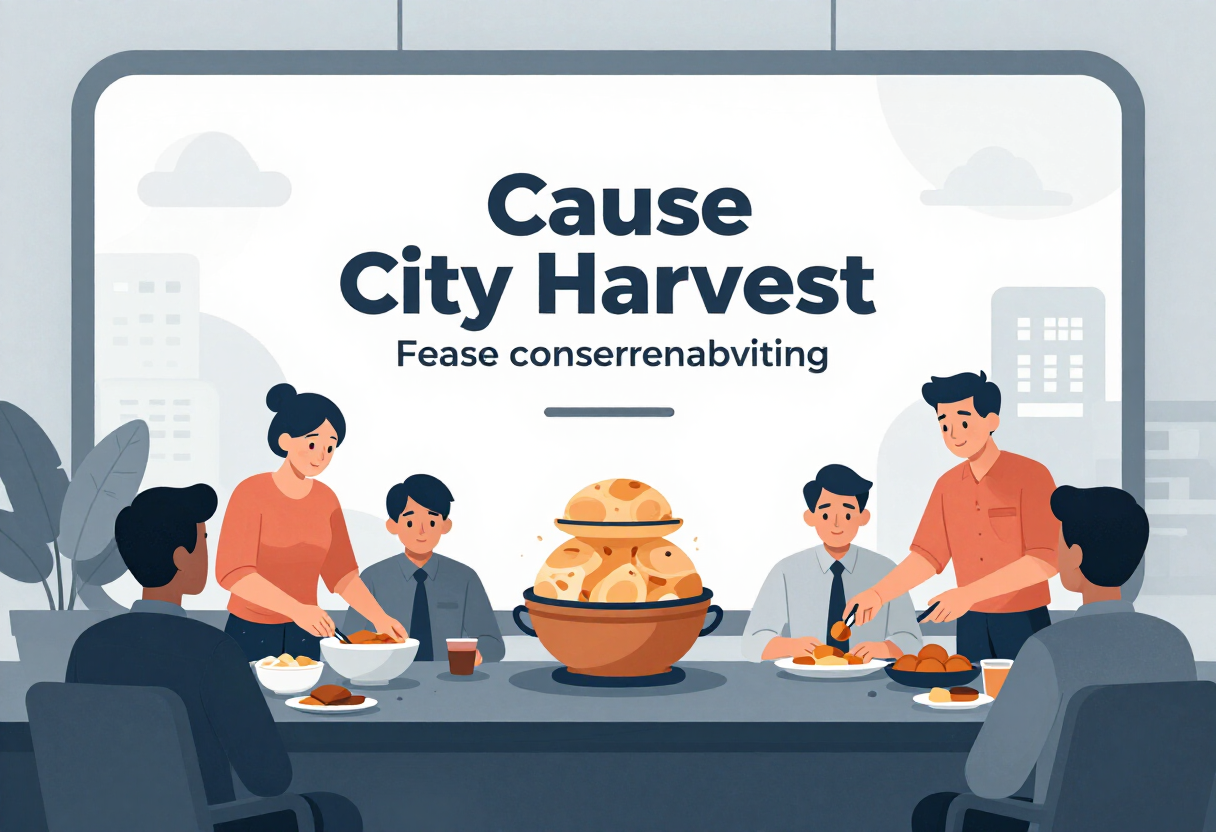
City Harvest has lined up nearly 50 chefs for BID 2026, its annual fundraising tasting event that turns restaurant kitchens into a revenue engine for New York City's largest food rescue operation.
The scale of the chef roster matters to the economics of the evening. BID — short for theBid — is built on donated culinary labor and product. Each participating restaurant contributes tasting portions for hundreds of paying guests, converting a single night of operations into one of the nonprofit's largest annual fundraising moments. For operators, participation functions as both marketing spend and community positioning: a tasting station at the event puts a chef's food in front of a concentrated audience of donors, restaurateurs and media at a fraction of the customer-acquisition cost of a traditional campaign.
City Harvest's model underpins the event's pitch. The organization rescues surplus food from restaurants, grocers and distributors across the five boroughs and delivers it free of charge to soup kitchens, food pantries and other community food programs. Fundraising events like BID underwrite the logistics — trucks, drivers, cold storage and scheduling — that make that rescue chain function. In food-rescue economics, donated product carries near-zero cost of goods; the expense sits in transportation and coordination, which is precisely the gap event revenue fills.
The event also reflects a broader positioning shift among New York hospitality groups. Charity activations have become a standard line item for restaurant groups managing labor costs and visibility in a compressed-margin environment. A single-night commitment — a chef, a station, a few hundred tasting portions — delivers brand exposure without the ongoing labor percentage drag of a sustained program. City Harvest's event calendar gives operators a structured way to make that trade.
The guest side of the ledger works differently. Attendees buy tickets that bundle access to nearly 50 chefs' food in one venue, an aggregation no single restaurant could replicate. That format has made chef-driven tasting fundraisers among the most reliable revenue producers in the nonprofit dining calendar, both for the charities and for the restaurants that use them as showcase windows for menu items and new concepts.
BID 2026 continues a format City Harvest has refined over successive years, with the chef count — nearly 50 — marking the breadth of the participating roster drawn from across the New York restaurant community, including Brooklyn kitchens that have become a growing share of the event's lineup as that borough's dining sector has expanded its share of the city's restaurant base.
For the participating restaurants, the calculation is straightforward: donated food and a night of labor in exchange for placement in front of the city's most concentrated audience of food-focused donors. For City Harvest, the event converts that industry participation into the operating cash that keeps rescue trucks running between suppliers and the New Yorkers who need the food.
City Harvest has not yet disclosed the final venue map, ticket pricing tiers or the full list of participating restaurants for BID 2026, details the organization typically releases in staged announcements as the event date approaches.
More from Rebecca Stone
Show full bio
Senior reporter covering media and advertising at The Pass Brief.
37 articles