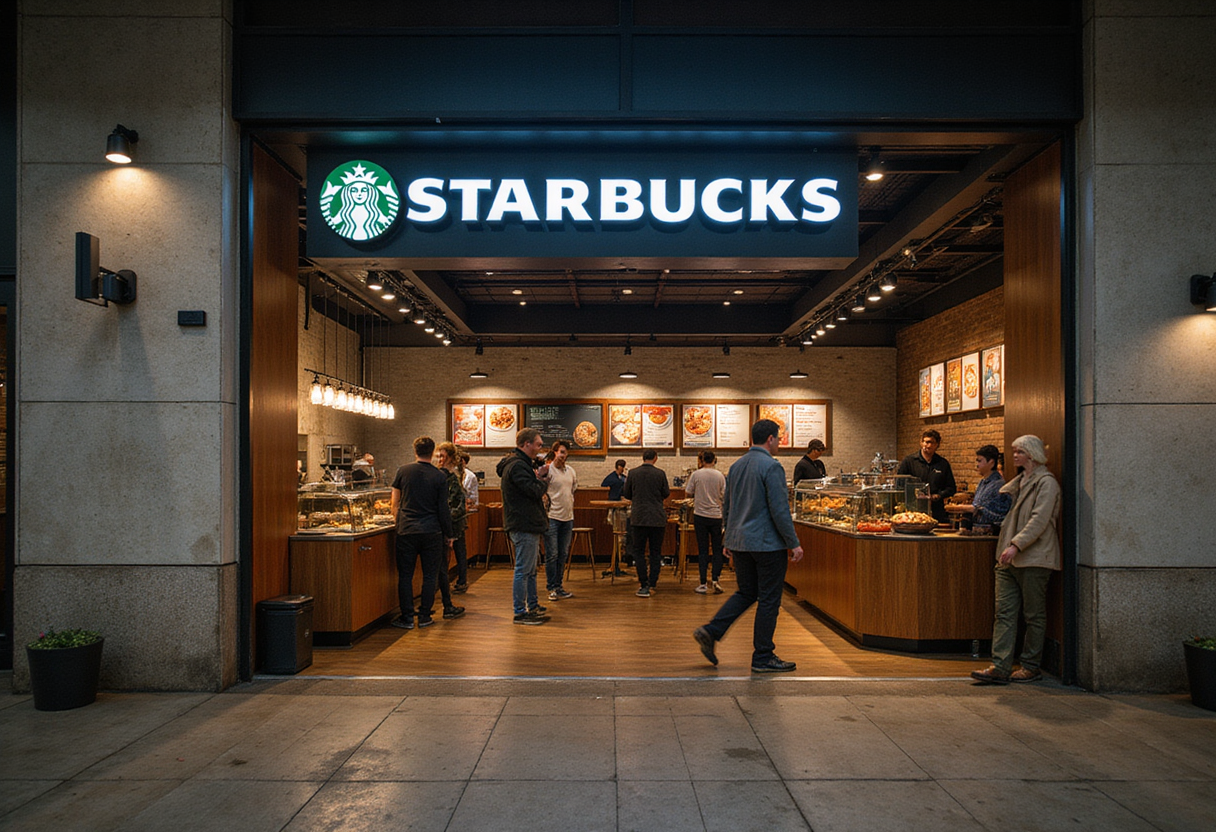
Chipotle shares jump on report of Starbucks takeover interest
Chipotle's stock jumped after Axios reported that Starbucks is weighing a takeover bid for the burrito chain, showing how a single M&A headline can reset the deal narrative across the publicly traded restaurant sector.

Chipotle's stock jumped after Axios reported that Starbucks is weighing a takeover bid for the burrito chain. The market reaction shows how a single M&A headline can reset the deal narrative across publicly traded restaurant operators, even before either company confirms anything.
The premise is familiar to anyone who has watched foodservice consolidation: when a chain of Chipotle's scale surfaces as a rumored target, the whole sector reprices the possibility of further consolidation. That repricing, not any specific deal terms, is what lifted the shares on the headline alone.
Why does an unconfirmed report move the stock?
A takeover rumor pushes a target higher because shareholders buy the option value of a future premium. If a confirmed bid lands, the shares usually rise to the offer price. If the rumor fades, the stock often drifts back, but rarely all the way, because the report itself tells the market a strategic acquirer considers the asset worth pursuing.
Restaurants trade on this dynamic more than most consumer categories because unit-level economics — thin margins and labor-heavy cost structures — make scale advantages from consolidation especially valuable. Any hint that two major chain operators might combine tends to lift the peer group, not just the named target.
What would a deal mean for operators?
For chain operators tracking this story, a confirmed Starbucks–Chipotle combination would amount to a stress test of how consolidation actually hits a restaurant P&L. Past restaurant deals have typically extracted cost savings from three buckets: procurement and distribution, real estate, and corporate overhead. Labor and field operations usually stay separate, because unit-level economics depend on local execution.
For franchisees or licensees at either company, the practical effect would be slow. Tech stacks and loyalty programs tend to consolidate first; menu standards and operating procedures take years to harmonize. Operators planning capex for the next 12 to 18 months should expect a holding pattern if a deal is confirmed, since corporate initiatives typically pause during integration reviews.
What's still unverified?
The latest move rests on a single Axios report. Neither company has confirmed takeover talks, and without a regulatory filing, board announcement or follow-up story, the rumor stays in pricing limbo. Stock moves built on takeover chatter often mean-revert within several sessions when no deal materializes. The current lift is, in effect, a bet on whether more information arrives.
The practical question for restaurant operators isn't who's buying whom. It's what a Chipotle-sized M&A rumor at this moment says about where the consolidation cycle is heading. The coming week of filings and outlet coverage will decide whether the market treats this as the start of a deal, or as the noise that lifted the stock and gives it all back by next session.
More from Olivia Hart
Show full bio
Staff writer covering regulation, policy and their impact on Restaurant and hotel operations at The Pass Brief.
344 articles