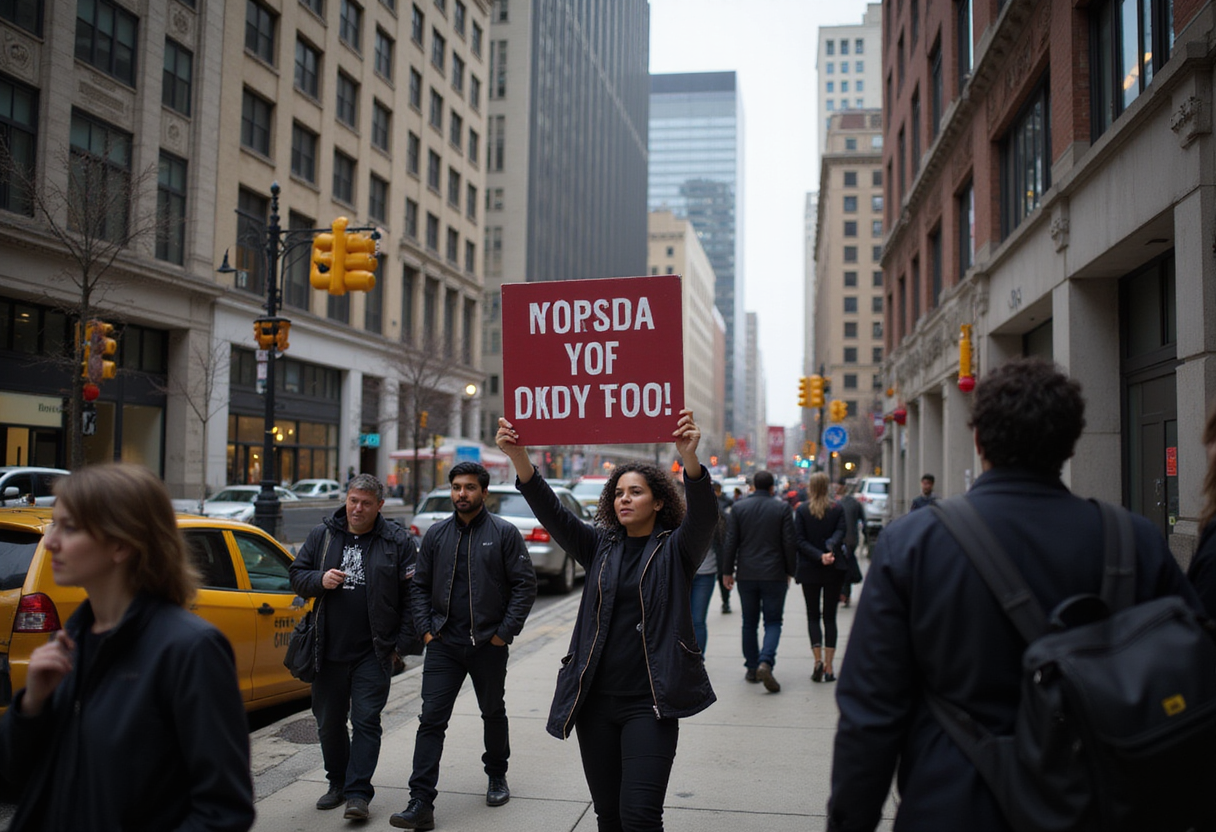
Chicago Hotel Workers Strike Hits Nearly 50 Properties
Cleaning & Maintenance Management reports a work stoppage at nearly 50 Chicago hotels, though specific ownership groups, union affiliations, and economic demands remain undisclosed in the initial coverage.
Chicago hotel workers walked off the job at nearly 50 properties, Cleaning & Maintenance Management reported, marking one of the largest work stoppages the city's hospitality sector has recorded in recent years.
The trade publication, which tracks service-sector labor developments, did not immediately disclose the start date, the specific ownership groups, or the union representation involved in the action. The headline figure of "nearly 50 hotels" represents the geographic and operational scope of the strike as published by the outlet.
What is confirmed so far
The sole verifiable data point in the early reporting is the unit count: just under fifty hotel properties in Chicago have work stoppages in progress. No specific brands, management companies, or ownership groups appear in the current reporting. No wage figure, benefit ask, or replacement-worker arrangement has been published to date. The outlet's brief headline offers scope but no economic terms.
What does this change for operators?
For Chicago hoteliers, a strike of this size resets the cost conversation across several line items at once. A work stoppage at a full-service urban property typically pushes operators into one of three expense paths: paying replacement labor through a staffing agency at premium rates, closing impacted floors to narrow the service scope, or continuing operations with a diminished staff and the service-quality risk that comes with it. Each path carries a margin impact that compounds with every additional day the picket lines hold.
Properties in the downtown corridor, the Magnificent Mile, and the McCormick Place convention market face the steepest exposure, since group bookings—conferences, conventions, and corporate travel—depend on consistent housekeeping, banquet, and front-of-house staffing. When displaced groups shift to alternative markets, the lost-revenue impact extends past the labor line item and into transient and F&B revenue at the struck properties.
For owners and management companies, the immediate financial question is the duration of the action relative to the booking calendar. Hotel labor costs run heavily on the housekeeping and banquet sides of full-service urban operations, where a single day's full property shutdown can erase a meaningful share of daily GOP. The longer the work stoppage lasts, the more likely operators will release updated guidance or flag the action in earnings commentary filed with securities regulators.
What remains unanswered
- Which union or unions represent the striking workers, and which hotel companies sit at the negotiating table?
- What is the contract expiration timeline and the specific economic demands on the table?
- Are replacement workers being used, and at what wage premium over scale?
- Which submarkets — downtown, O'Hare, McCormick — carry the highest concentration of struck properties?
- How long has the action been running, and is the scope expanding or contracting?
What to watch next
The labor action's duration will determine how much of the disruption reaches the bottom line. Strikes resolved inside a week rarely move full-year margins at large operators; strikes carried through a peak convention week can move quarterly earnings for the affected ownership groups. Operators outside Chicago are also watching closely, since coordinated work stoppages in major gateway markets often set negotiation templates for non-struck cities ahead of their own contract renewals.
Reporting on the strike is expected to firm up as union statements, hotel-company disclosures, or city labor-board records emerge. For now, the figure that matters most to operators and investors is the same one Cleaning & Maintenance Management flagged in its headline: nearly 50 properties, in a single major U.S. market, off the clock at the same time.
More from Elena Vasquez
Show full bio
News editor covering people, launches and day-to-day practice in Restaurant and hotel operations at The Pass Brief.
434 articles