Chef-in-residency programs cross from fine dining into fast casual
Restaurant Business Magazine reports chef-in-residency programs are moving from fine-dining tasting menus into fast-casual kitchens, forcing operators to rework menu scope, sourcing and labor scheduling for a $12-$18 check average.
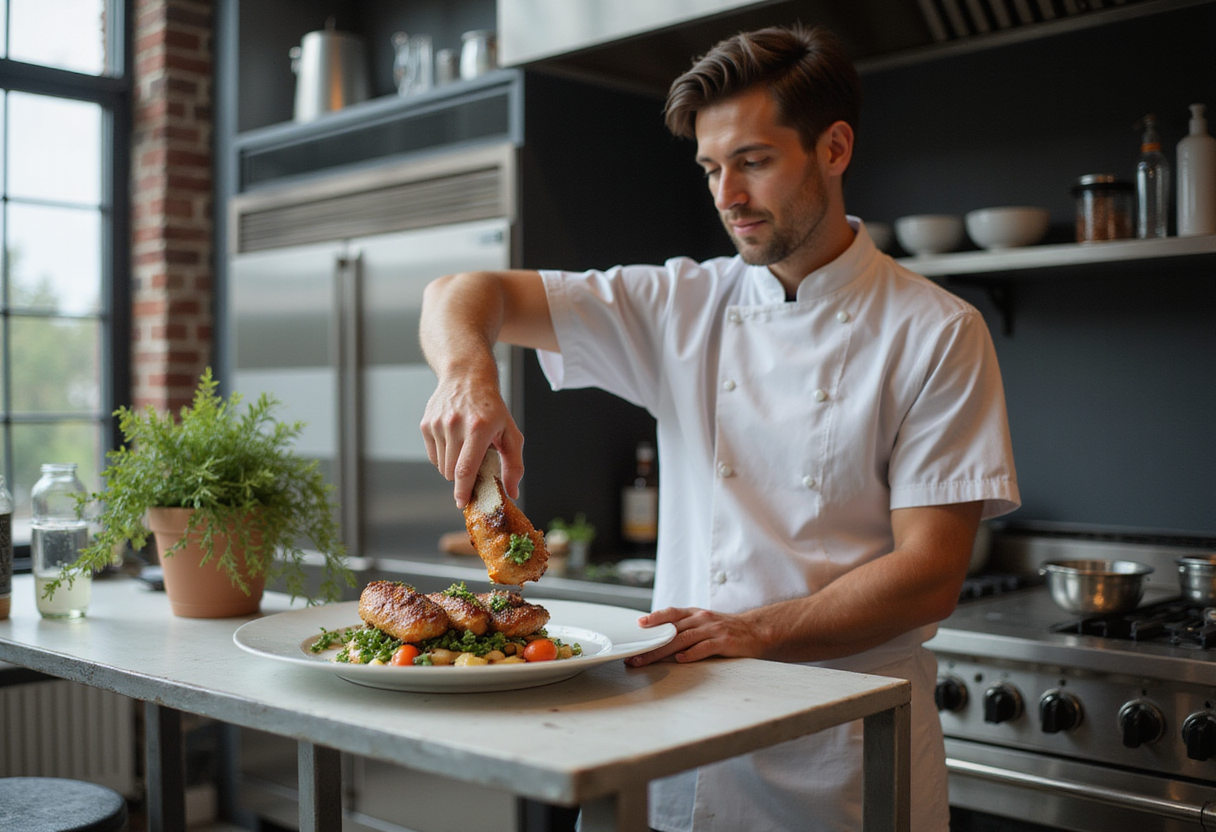
Restaurant Business Magazine reports that chef-in-residency programs, the talent and menu-development format long associated with tasting-menu restaurants, are now appearing inside fast-casual kitchens. The shift crosses the most economically distant segment lines in U.S. foodservice.
A residency traditionally places an external chef inside a host operator's kitchen for a defined run, often producing a limited-time menu. Fine-dining groups have used the format as R&D, as employer branding, and as a marketing event that supports $150-$300 check averages.
Why the shift now?
Fast-casual operators face a margin structure that leaves little room for experimentation. Industry-typical fast-casual unit economics run food costs at roughly 28-32% of sales and labor at 24-28%, compressing operating margin to the 10-12% range before rent, technology, and marketing. A residency lets an operator test a chef-led limited-time offer without committing to a permanent salaried slot.
The economics work differently than in fine dining, where a guest-chef tasting menu can absorb incremental labor and ingredient costs inside a high check average. Fast-casual tickets average $12-$18, so the format has to be re-engineered.
How the format is being re-engineered
- Menu scope compresses to 8-12 SKUs to keep line complexity manageable during peak service.
- Pricing for residency items typically runs 15-25% above core menu to recover elevated ingredient cost.
- Sourcing skews toward short-line specialty suppliers, raising per-pound protein and produce cost 10-20% above broadline distribution.
- Schedule discipline matters: residency runs of 4-8 weeks tend to outperform longer engagements inside fast-casual traffic patterns.
What it changes for the operators
The shift pulls chef-driven storytelling into a price band where fine-dining groups never competed. For fast-casual brands, the upside is differentiation in a category where 40-plus chains already operate in any given U.S. metro. The downside is operational lift: scheduling, training, and ingredient sourcing all hit staff hours and food cost simultaneously.
For the participating chefs, the trade is volume versus margin. A fast-casual residency typically generates more covers per shift than a fine-dining service, even at a lower check, with predictable labor hours and limited late-night exposure.
What to watch next
If the fast-casual residency model scales, expect three concrete downstream moves:
- Broadline distributors adding specialty SKU programs aimed at limited-time menus.
- Franchise disclosure documents listing chef-in-residency pilots as a labor and marketing line item.
- Trade schools restructuring externships to place students inside fast-casual pilots rather than only traditional restaurant kitchens.
Restaurant Business Magazine's reporting suggests the segment boundaries that kept residencies inside fine dining are no longer holding, and the operators who move first on the labor and sourcing side will set the template for the next two years.
More from Marcus Bennett
Show full bio
Market editor covering media and advertising at The Pass Brief.
243 articles