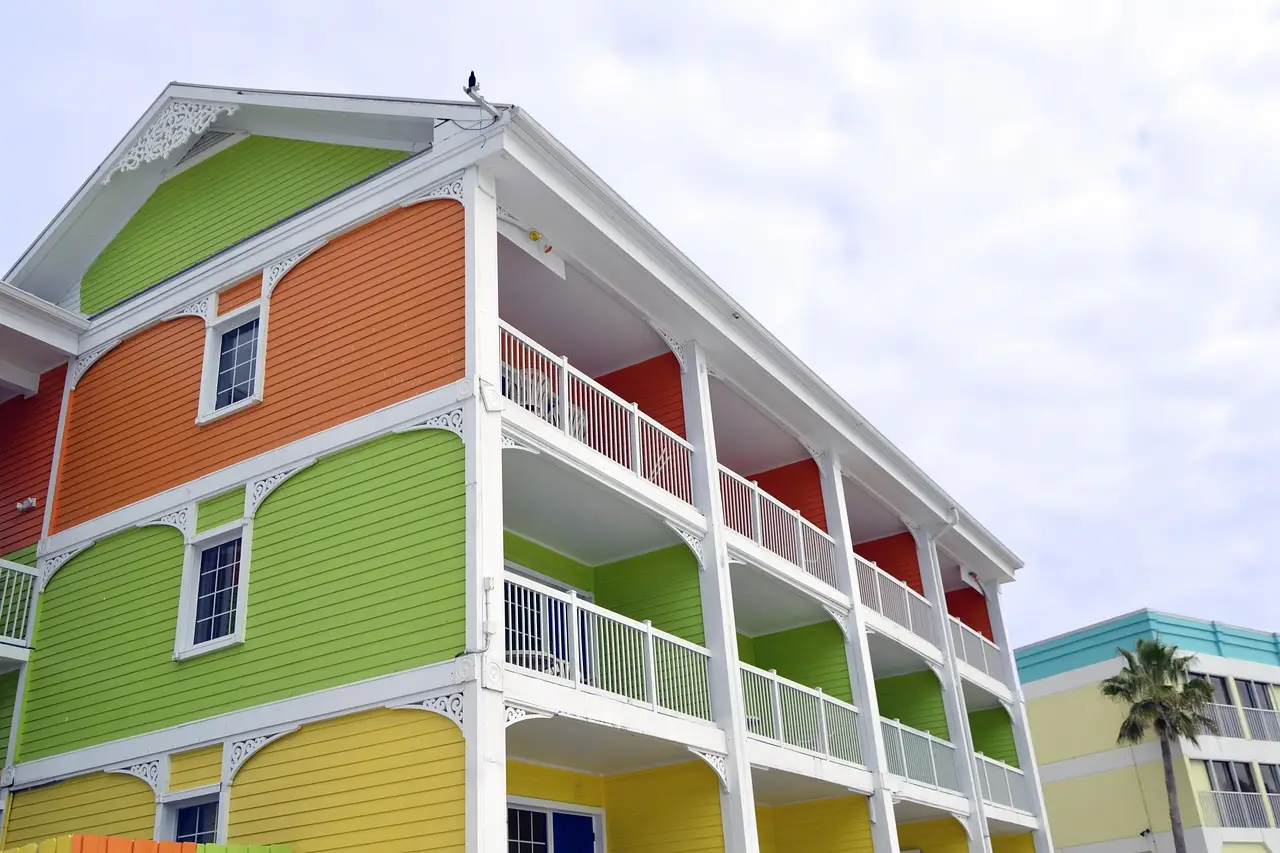
Charleston’s nearly 20,000-room market gains as projects add demand
Charleston’s nearly 20,000-room market pairs record tourism with Boeing, MUSC and Roper projects, while new supply tests whether ADR and RevPAR gains can continue.
By Elena Vasquez
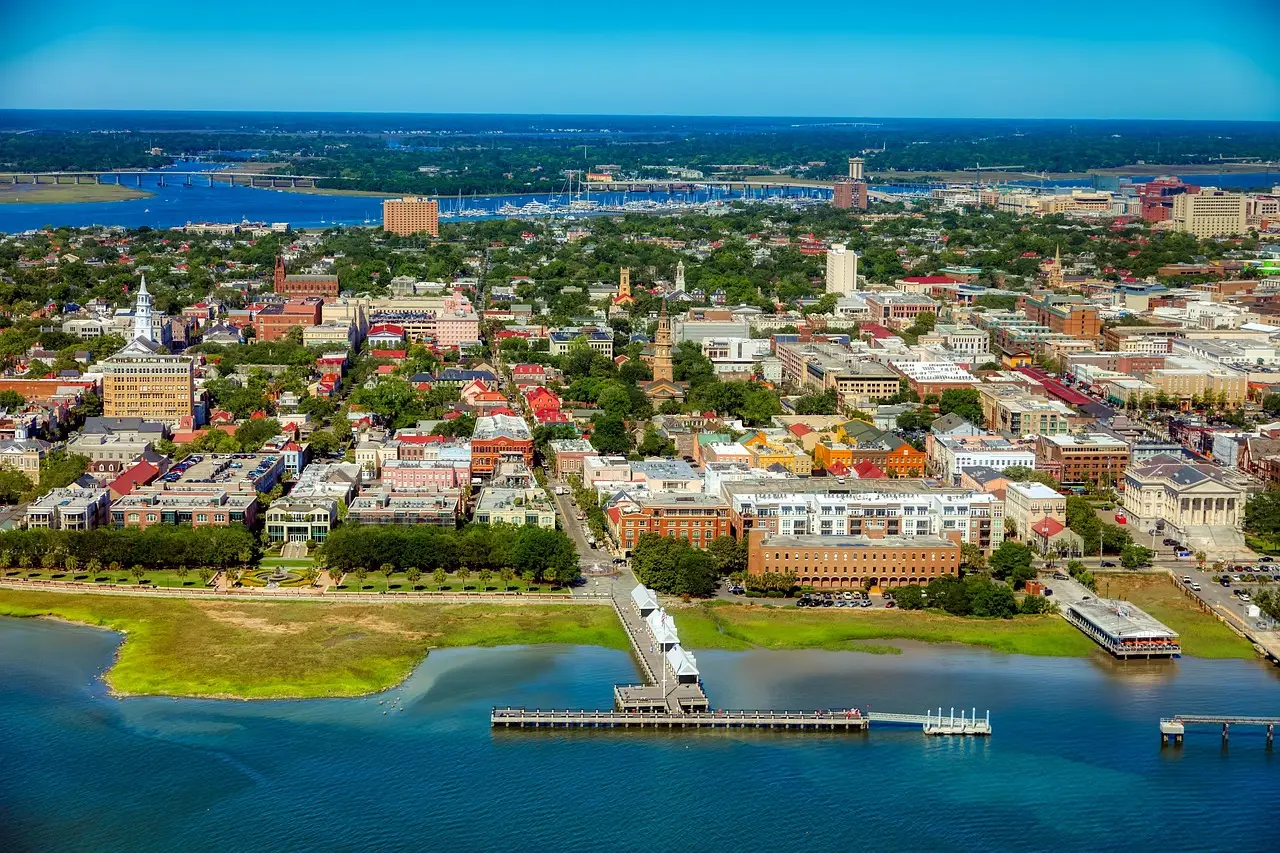
Greater Charleston has nearly 20,000 hotel rooms, one-third on the Charleston Peninsula, while HVS reports that demand, average daily rate (ADR) and revenue per available room (RevPAR) have increased despite multiple openings since 2020.
Post-pandemic, demand has risen annually in recent years and surpassed all previous market metrics by 2022. Beyond tourism, HVS identifies healthcare and growing industrial and business sectors as core demand supports.
HVS said “demand growth has continued to outpace supply growth,” a stronger revenue signal than supply growth alone. The analysis did not publish dollar values for ADR or RevPAR, so it establishes direction rather than magnitude.
Tourism sustains the room-night base
Charleston, known as the “Holy City” for its prominent churches, is South Carolina’s most populous city. Its visitor draw combines live-oak streets draped in Spanish moss, historic forts and plantations, old antebellum homes, antique shops, museums and nearby beaches.
Travel + Leisure named Charleston the first domestic destination to earn its “Number 1 City in the World” designation in 2016. The magazine ranked it the No. 1 U.S. city in its World’s Best Awards each year from 2012 through 2024, then placed it No. 3 in 2025 and No. 2 in 2026.
Charleston City Market, Rainbow Row, the South Carolina Aquarium and the Old Slave Mart Museum generate steady leisure traffic. The Charleston Wine + Food Festival, Southeastern Wildlife Exposition and Spoleto Festival add peak-period visits. The International African American Museum opened on the Cooper River in downtown Charleston in June 2023 after 20 years of planning.
The Charleston Area Convention and Visitors Bureau put tourism’s 2025 economic impact at $14.35 billion and county hotel room nights at a record 4.84 million. Charleston International Airport also reported record passenger traffic and continued year-to-date growth.
Boeing expands business travel
Boeing made Charleston the sole production location for the 787 Dreamliner in 2021. In November 2025, the company broke ground on a more than $1-billion expansion of its Charleston operations, extending its role in one of its largest commercial aircraft programs.
The project includes a 1.2-million-square-foot final-assembly building, parts-preparation and vertical-fin paint facilities, additional flight-line capacity and expanded space for 787 interior components. Boeing expects to complete the work in 2028, support more than 1,000 new jobs and accommodate higher production rates.
HVS expects the expansion to add hotel stays from Boeing’s international clients, airline representatives, suppliers, engineers and other business visitors. More site inspections, supplier coordination, training and production travel should increase room-night demand, while the investment strengthens Greater Charleston’s connection to a global aerospace supply chain.
Healthcare adds institutional demand
Healthcare anchors Charleston’s hotel demand through MUSC, Roper St. Francis Healthcare, Ralph H. Johnson VA Health Care System and Trident Health System. Their expansion projects create another source of visits beyond tourism and aerospace.
In 2025, the City of Charleston advanced review of MUSC’s planned 62-acre Medical District Overlay Zone, which supports campus growth and a new $1.1-billion cancer hospital. Approval would bring a cancer center, expanded housing and further innovation-district development.
Construction also began in 2025 on Roper St. Francis Healthcare’s $1.2-billion replacement for Downtown Charleston Roper Hospital. The nearly 27-acre campus includes:
- A nine-story tower over a two-level podium.
- 328 inpatient beds.
- A 47-bay emergency department.
- 44 critical care beds.
- 18 operating rooms and a helipad.
Completion is slated for mid-year 2029.
New supply meets rising demand
The Charlee on Cannon, The Cooper and The Nickel Hotel opened on the Peninsula across 2025 and 2026. The HVS and CoStar pipeline dated late 2026 covers full-service, select-service, limited-service, extended-stay and upscale boutique properties.
HVS expects the new supply to be absorbed steadily as it opens over the next several years. Other projects supporting long-term demand include a Charleston International Airport expansion, a new College of Charleston School of Business facility and the Magnolia Landing mixed-use district.
What does this change for hotel operators?
The practical answer is that operators have a favorable demand backdrop, but they must show that new supply can enter without reversing rate and revenue-per-room gains. HVS expects continued ADR and RevPAR increases because demand growth has outpaced supply growth and Boeing, MUSC and Roper will keep adding visitors over multiyear schedules.
The report provides no hotel occupancy forecast, construction-cost estimate, labor percentage, cost-of-goods assumption or property-level margin. Operators still must test each property’s economics against the market’s 4.84 million-room-night base and nearly 20,000-room inventory.
HVS, founded in 1980, reports 4,500-plus assignments each year through some 60 offices and more than 300 professionals. Kaitlyn Hennessy is the firm’s Southeast hospitality expert and contact for the Charleston analysis.
With Boeing’s expansion scheduled for 2028 and Roper’s campus for mid-year 2029, Charleston’s next test is whether new hotel supply can enter the market without reversing the post-2022 gains in ADR and RevPAR.
More from Elena Vasquez
Show full bio
News editor covering people, launches and day-to-day practice in Restaurant and hotel operations at The Pass Brief.
652 articles