California Pizza Kitchen to Expand Pizza Kiosks on Military Bases
California Pizza Kitchen and Ranger Group plan hundreds of military-base pizza kiosks, building on CPK’s goal of as many as 1,000 nationwide kiosks over the next three years.
By Elena Vasquez
California Pizza Kitchen plans hundreds of automated pizza machines at U.S. military bases, building on its target of as many as 1,000 kiosks nationwide over the next three years.
The Costa Mesa, California-based chain, founded in 1985, has around 100 domestic restaurants today. CPK has chosen military contractor Ranger Group for the project. Army Ranger veteran Mark “Ranger” Jones runs the contractor and also has restaurant-franchising experience.
The partnership begins with domestic installations; overseas military locations remain a possibility. Planned sites include:
- Army bases
- Navy bases
- Air Force bases
- Marine Corps bases
- U.S. Coast Guard bases
CPK did not provide an exact installation count, launch date or base-by-base schedule, leaving the execution pace uncertain for a program intended to reach all five services.
What does this change for service members and base visitors?
For service members and base visitors, the practical change is planned access to CPK’s freshly baked pizza on base once machines arrive, with ordering through a touchscreen. CPK has not announced opening dates, base locations, prices or military discounts, so the cost to buyers remains unknown.
“As a veteran myself, I’m personally proud to bring our restaurant-quality pizzas directly to the places where our service members work and train,” Michael Beacham, president of California Pizza Kitchen Global, said in a statement.
“This initiative is both an expression of our gratitude and a meaningful step forward in our mission to make the California Pizza Kitchen experience more accessible wherever people are.”
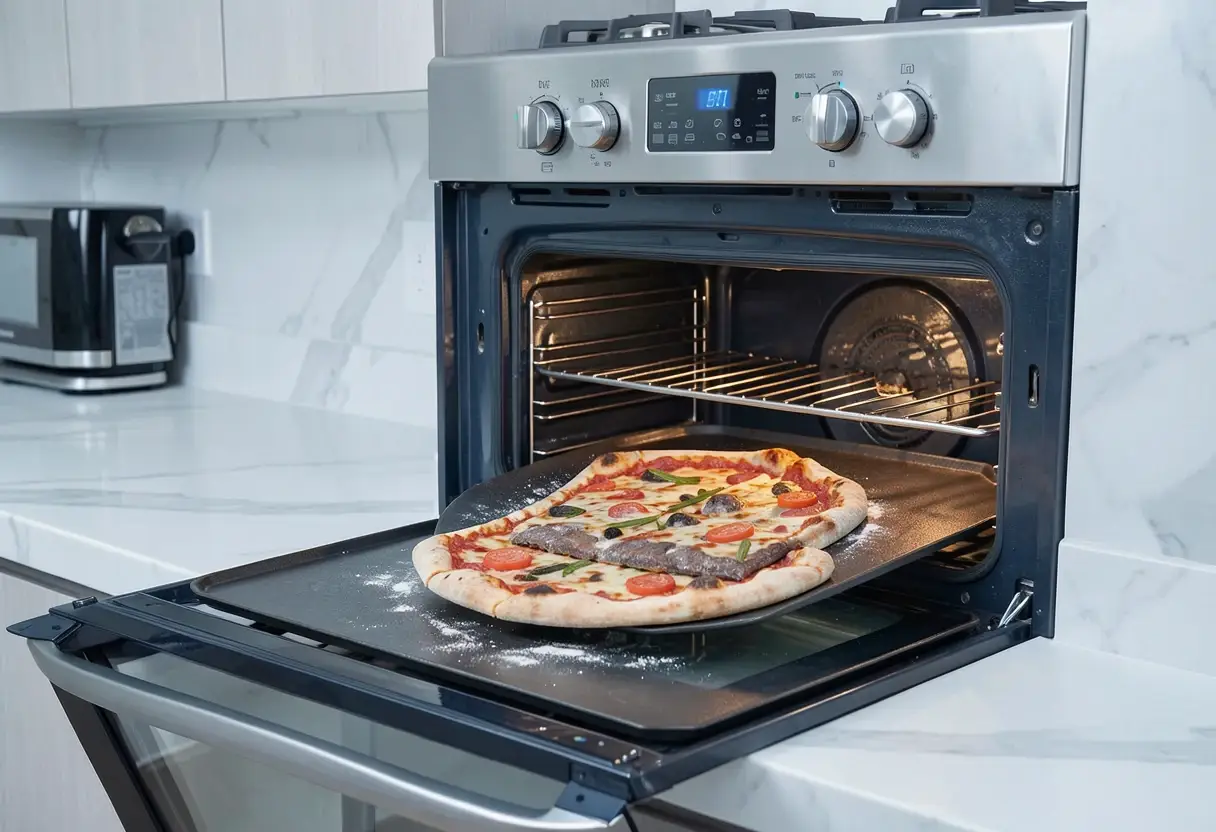
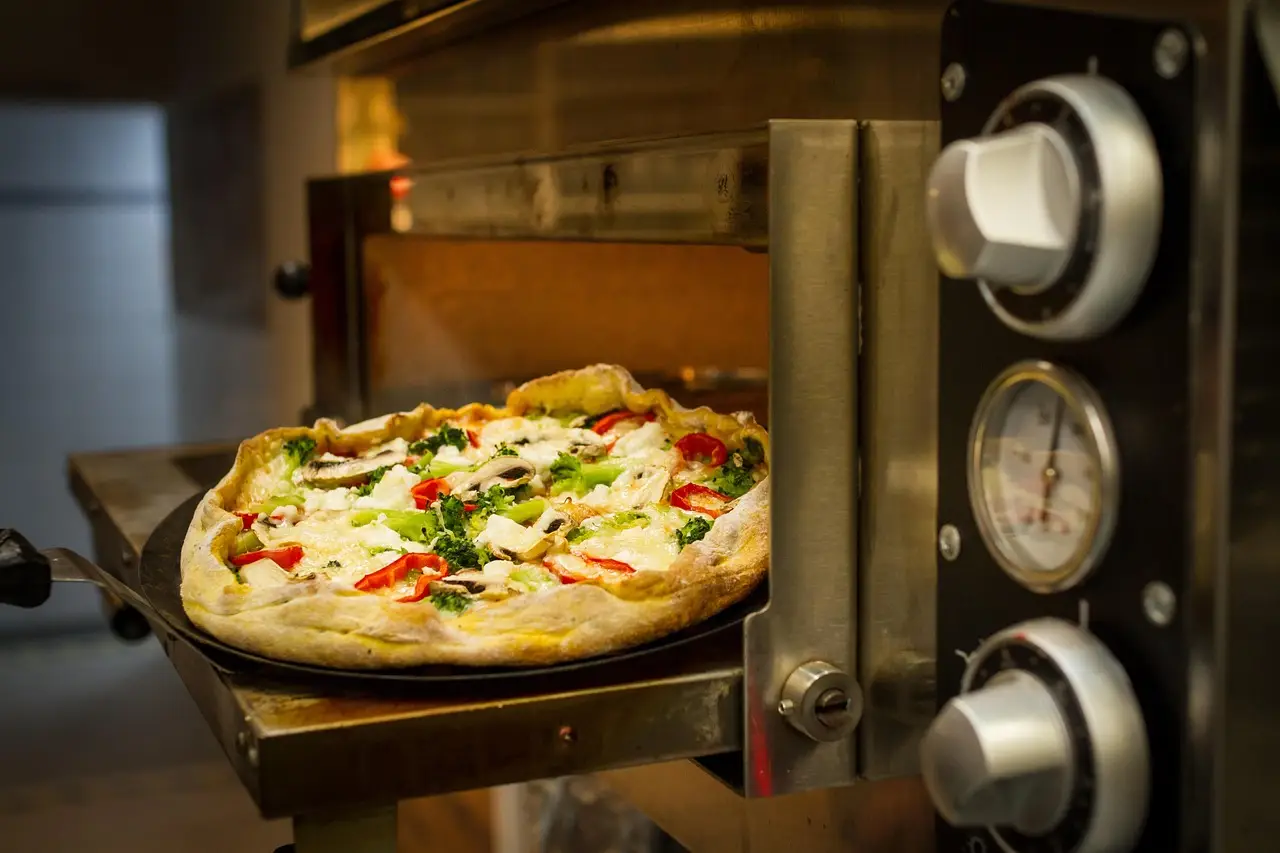
Each kiosk combines a touchscreen display with TurboChef ovens and can produce freshly baked pizza in as little as 90 seconds. The equipment substitutes self-service ordering and automated baking for the conventional restaurant workflow.
Ranger Group will install and operate the units as the military contractor, while CPK remains the brand partner. CPK did not identify who owns the machines, pays installation or operating expenses, or whether CPK or a franchisee operates each site.
CPK disclosed no menu prices, check averages, food-cost percentages, labor percentages, capital budgets or unit-level sales targets. As a result, the announcement cannot show whether the kiosk model will outperform a restaurant on cost or margin.
The lack of unit-level data also leaves demand untested. CPK supplied no traffic estimates, expected transaction volumes or comparisons between military sites and the airports, universities and hospitals in its broader kiosk plan.
The military project builds on CPK’s plan to open as many as 1,000 kiosks nationwide over three years in airports, universities and hospitals. It expands CPK beyond restaurants and grocery stores, where the brand sells frozen pizza and other products. The announcement does not say whether military units count toward the 1,000-kiosk target.
For menu engineering, the unanswered questions are price architecture, portion format and ingredient sourcing. CPK disclosed none of those details, leaving operators without the inputs needed to assess the kiosk channel’s economics.
An investor group led by Consortium Brand Partners bought CPK late last year after saying it would begin a new era of growth. CPK did not disclose the transaction terms or specify whether its roughly 100 domestic restaurants are company-operated or franchised. Jones’s franchising background does not establish a franchise structure for the kiosk rollout.
Comparing kiosks and restaurants as equivalent units would overstate comparability because CPK disclosed no sales per unit, labor model or site economics for either format. Yet a target of as many as 1,000 kiosks would materially increase CPK’s distribution reach if the company executes it.
For operators and investors, the unanswered terms are ownership, staffing, supply responsibility and the split of sales and costs. Those terms will matter more than the headline machine count once installations begin.
The next proof point will be a dated domestic rollout with disclosed prices, site costs and margins as CPK works toward 1,000 kiosks.
More from Elena Vasquez
Show full bio
News editor covering people, launches and day-to-day practice in Restaurant and hotel operations at The Pass Brief.
718 articles