3,500 People Want In. His Apartment Oven Makes 15 Pizzas a Week.
AJ Miller sells 15 New Haven-style pizzas a week from his Ocean Beach apartment. Over 3,500 people are waiting, and slots sell out in under 30 seconds at $25-$30 a pie.
Fifteen pizzas a week. More than 3,500 people on the waiting list. That's the supply-demand gap driving what may be the hardest reservation in Southern California pizza right now — and it's operating out of a rented apartment kitchen in San Diego's Ocean Beach neighborhood.
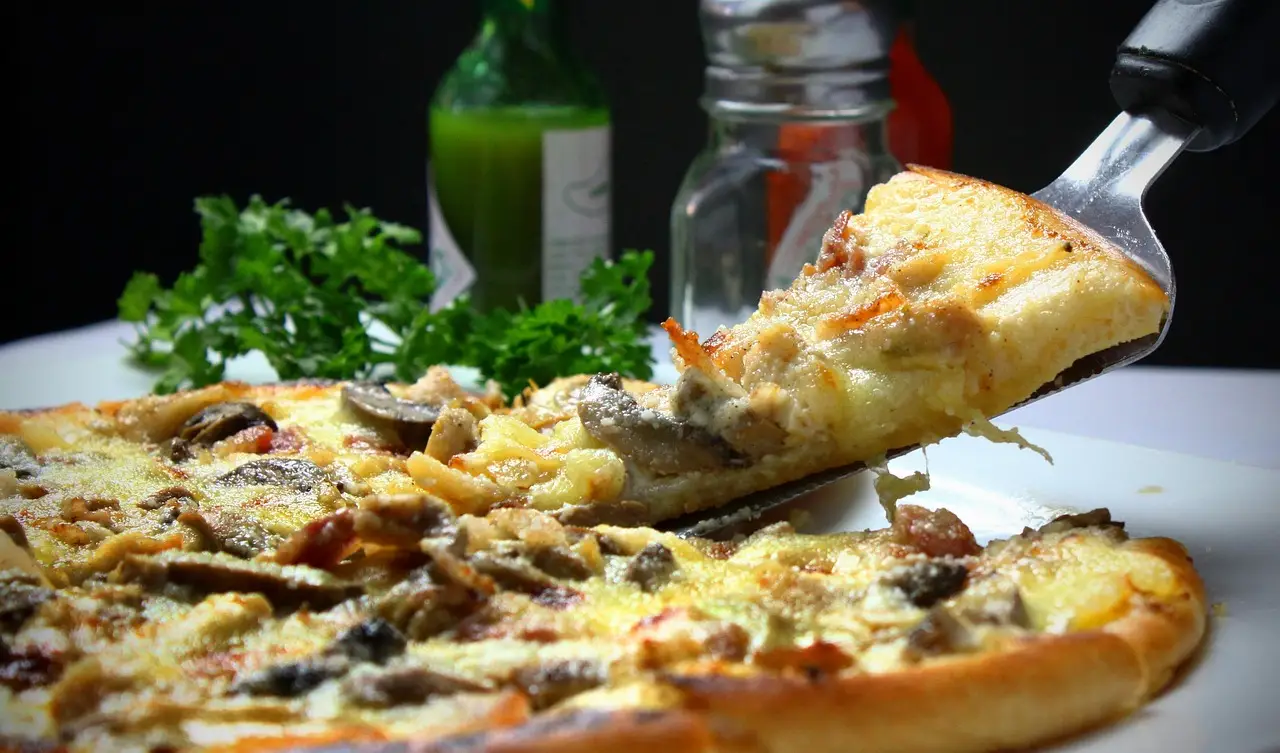
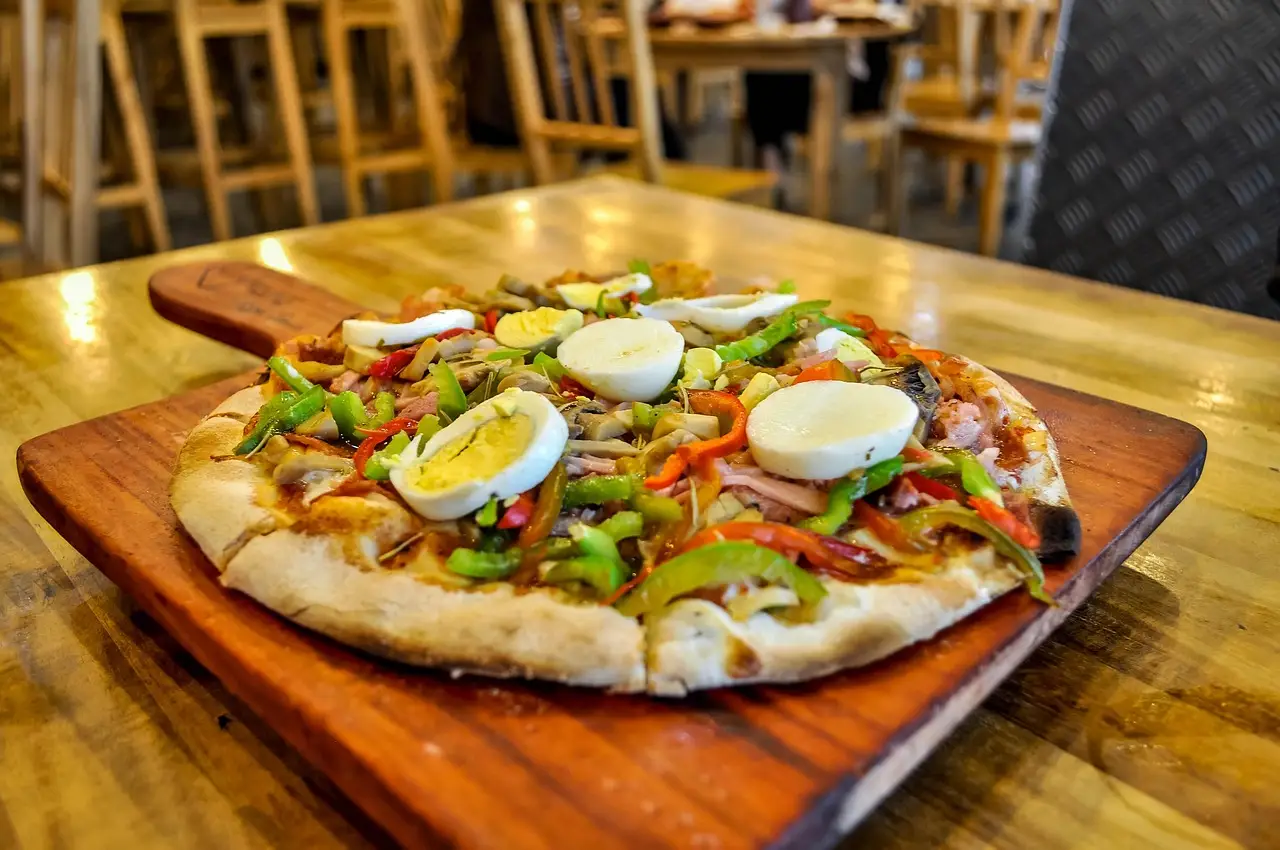
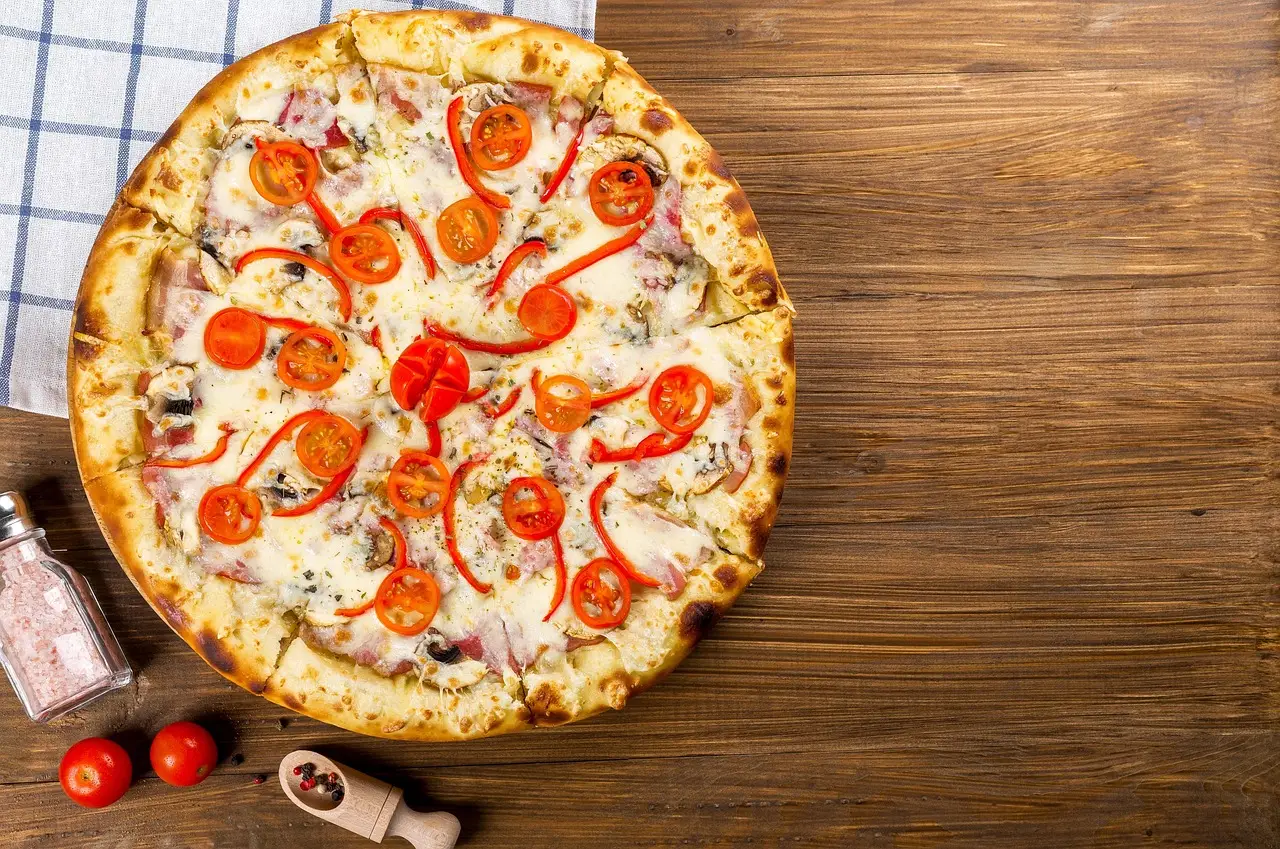
The pies sell out in less than 30 seconds when AJ Miller opens his weekly order slots. Each is a 15-inch, New Haven-style "apizza," priced at $25 to $30, and the scramble for them has helped Miller build a social media following of more than 114,000. Not bad for an operation with no storefront, no commercial brick oven and no delivery fleet.
"I think people do like what they't get, so the exclusivity does play into it a bit," Miller told Axios.
How a layoff built a pizzeria
Miller moved to San Diego in 2020 and couldn't find the East Coast-style pizza he grew up eating in Connecticut. So he taught himself to make it, documenting his kitchen experiments online and pulling in followers who eventually wanted to taste the results.
The business moment came this past summer, when a layoff from his marketing job pushed the hobby into a revenue stream. What started as a text-message list of 75 interested customers became Echo Apizza — named for the New Haven specialty, a coal-fired-oven pie with a paper-thin, crisp crust that Miller describes as similar to New York style.
Engineering around a $0 equipment budget
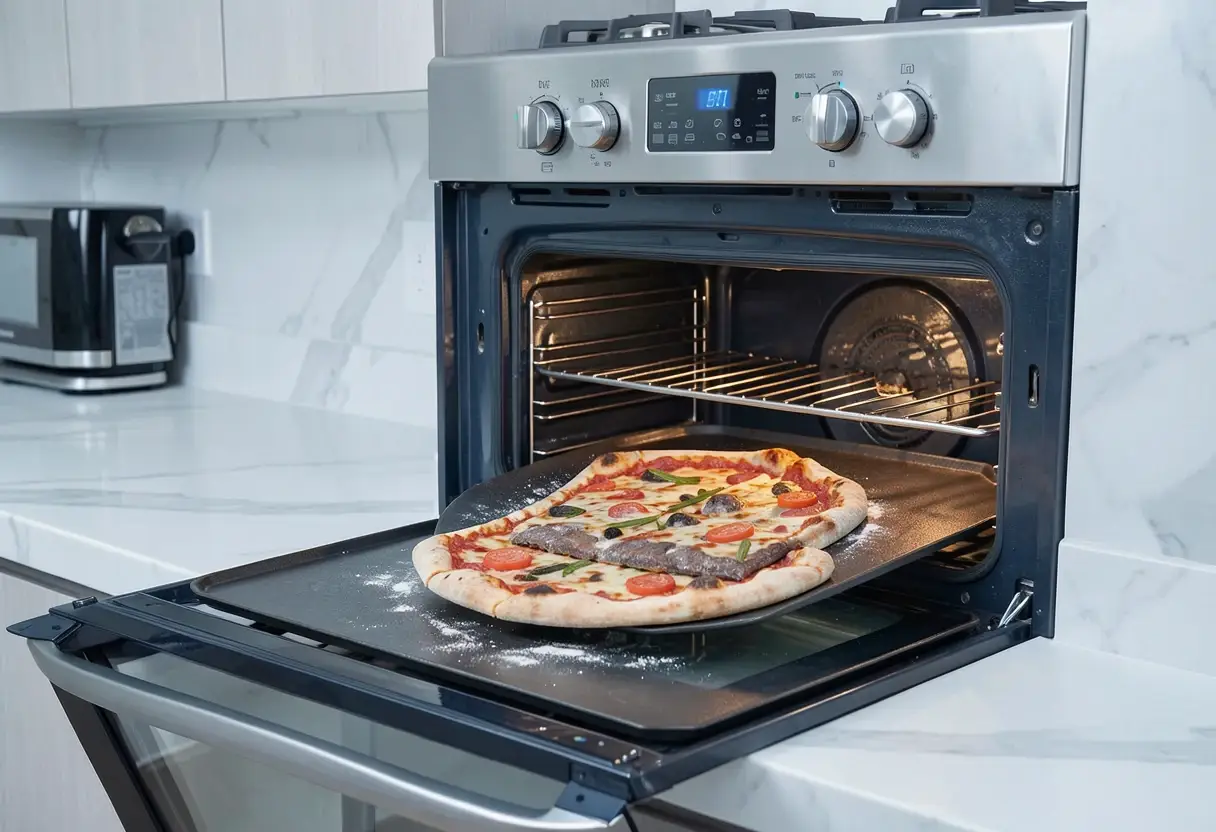
Traditional apizza is cooked in coal-fired ovens at 800 to 900 degrees. Miller's home oven tops out at 550°F, so he adapted the method rather than the price point.
His workaround stack:
- Baking pies directly on a heavy baking steel plate, to transfer maximum heat into the crust
- Finishing each pie under the broiler for the style's signature blistered edges
- A three-day cold fermentation using sourdough for the dough
- Locally sourced toppings
Orders get picked up the following Friday. That's the entire fulfillment model.
"It took a couple years to really perfect my craft," Miller said. "I don't think anything's ever perfect, so I do think there's little tweaks that I make each time, and it could always be better."
What does this change for a 15-pie operation?
The honest answer: not much, yet. Miller says he's making a profit but not enough to live on. At $25 to $30 per pie across 15 weekly units, gross revenue tops out somewhere north of $375 a week before ingredients — a sideshow income, not a wage replacement, even with zero real estate overhead.
The scarcity itself is the growth engine. A 30-second sellout and a 3,500-person queue function as free marketing that most operators spend real money trying to manufacture, and Miller is monetizing it through audience rather than volume. His stated path is deliberately slow: ramp up gradually, and one day cook in a professional kitchen or even a restaurant.
For now, the comment section does the advertising. "Found a guy in San Diego who makes pizza out of his apartment oven and it literally changed my life," one user posted.
Whether the queue converts into a brick-and-mortar — or whether the demand evaporates the moment the pies stop being scarce — is the question Miller's slow-scaling strategy will have to answer.
More from Daniel Okafor
Show full bio
Correspondent covering companies, deals and strategy in Restaurant and hotel operations at The Pass Brief.
643 articles