Cafe Colucci's platter anchors Berkeleyside look at menu inflation
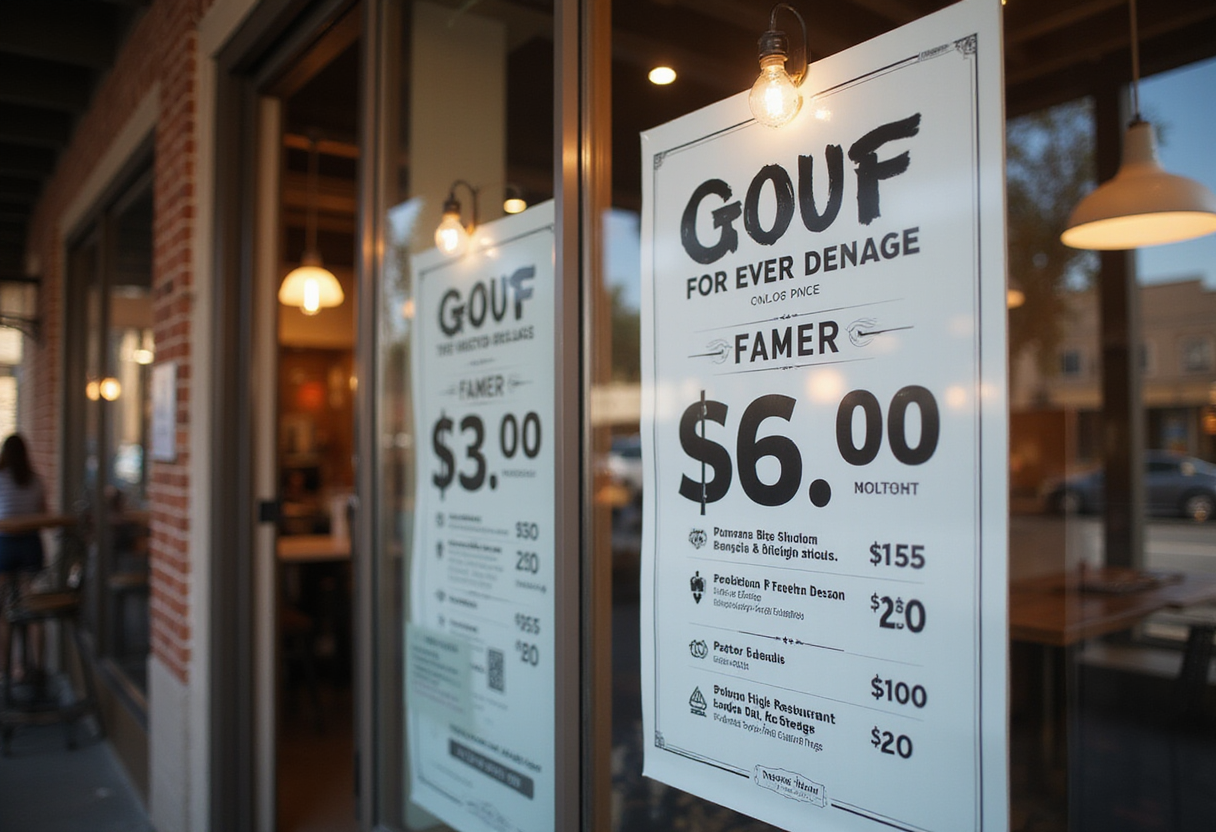
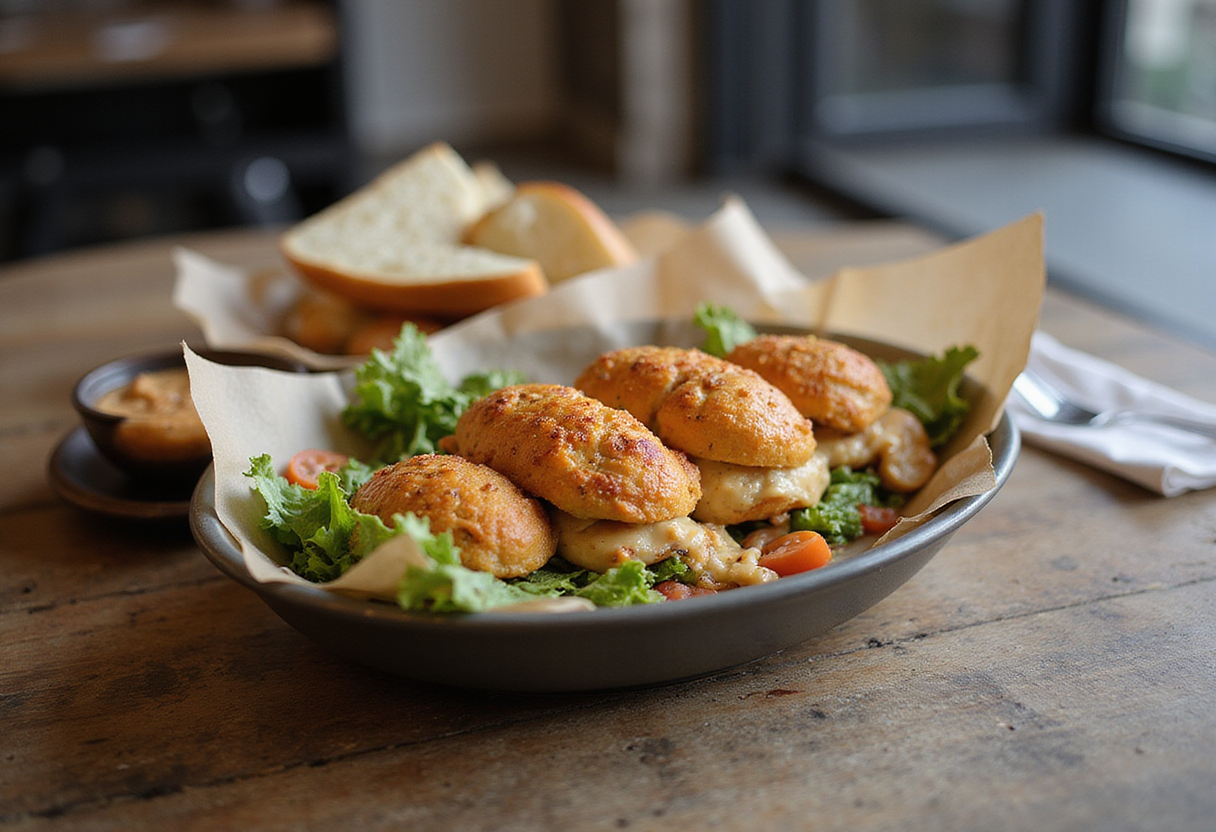
Berkeleyside uses Cafe Colucci's signature platter as a recurring price-tracking lens to track how menu inflation is moving through Berkeley's independent restaurant sector.
Berkeleyside is using one signature dish at a single Berkeley restaurant — Cafe Colucci's namesake platter — to track how menu prices have moved across the Bay Area's independent dining sector.
The outlet's framing turns a menu item into a recurring data series: a dish operators rarely reformulate, served in the same form year after year, that lets reporters read pricing pressure without the noise of menu churn.
Why a platter, not a price index?
Restaurant price indices are notoriously volatile. Operators rotate items, swap ingredients, and adjust portion sizes to manage food cost. A signature platter cuts through that. If the recipe stays put, the only variable is what diners pay.
Berkeleyside's choice of Cafe Colucci — a long-running independent known for a consistent offering — fits that methodology. The dish functions less as a culinary recommendation and more as a recurring observation point, the way consumer researchers track one SKU across multiple years.
What the Berkeley market adds
Berkeley sits among the higher-cost restaurant corridors in the East Bay. Independent operators there absorb:
- California minimum wage steps (the state's hourly floor has risen on a scheduled schedule, with further increases codified through 2026)
- Imported ingredient lines central to a fragile supply chain, for years exposed to shipping and currency swings
- Commercial rents that have stayed elevated since the post-pandemic reset
- Energy and insurance cost growth that has compounded annually for small operators
None of those inputs drop when a diner orders the platter. They sit in the food cost and labor lines on the operator's books, and they migrate to the menu price the operator can no longer defer.
What does the piece change for operators?
Local coverage that names a specific dish and a specific operator tends to do two things. First, it gives peer operators a comparable benchmark — a number they can locate themselves against in their own pricing reviews. Second, it puts a public floor under further increases, because the next round of menu changes will be visible against the same anchor.
For diners, the practical question is whether the next visit to the same restaurant shows a different number on the same dish. For operators, the question is whether absorbing the next cost shock means pricing the platter up, engineering the recipe down, or absorbing the margin.
The reporting method, in one line
A signature platter on a menu is what an unchanged SKU is to a grocery price tracker: a clean read on cost pass-through.
The next Berkeleyside update on the same dish will show whether the recent pace of menu inflation in the Berkeley independent segment continues, accelerates, or breaks against the cost lines that have driven it.
More from Elena Vasquez
Show full bio
News editor covering people, launches and day-to-day practice in Restaurant and hotel operations at The Pass Brief.
347 articles