Brightpath picks up a New York Hampton Inn, terms undisclosed
Brightpath Hospitality has acquired a Hampton Inn property in New York, per Hotel Management. The outlet disclosed no purchase price, no seller name, no address, and no unit count.
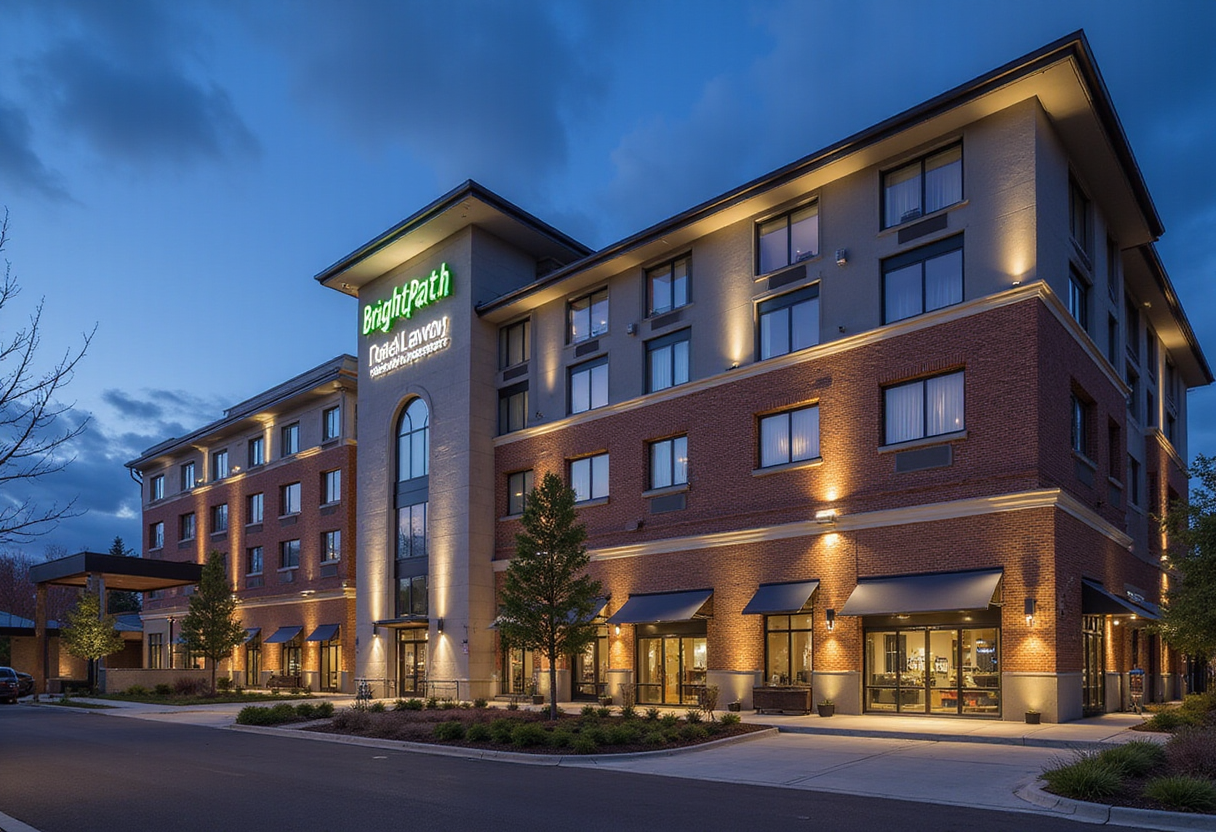
Brightpath Hospitality has acquired a Hampton Inn property in New York, according to Hotel Management. The outlet published the headline and stopped there. The article carries no purchase price, no address, no seller name, no unit count, and no closing date. Operators reading the item get the "what" without the "how much" or the "from whom."
Hampton Inn is Hilton's flagship midscale brand (a chain-scale tier defined by limited food-and-beverage service, standardized rooms, and an average daily rate typically below upscale flags). The brand runs overwhelmingly under franchise agreements. Brightpath's brief disclosure does not state whether the acquired asset sits on a corporate-owned, owner-operated, or franchised footing.
What did the source actually say?
Hotel Management's headline announces the deal. The body offers nothing more. There is no rooms count, no cap rate, no franchise term, no executive quotation. Operators will treat the headline as a flag, not a transaction record, until a press release or state registry filing surfaces. The outlet has not updated the silence since posting.
Why a midscale New York acquisition matters
New York lodging runs across every chain-scale segment, from limited-service roadside properties to five-star icons. A Hampton Inn occupies the middle: predictable rooms, hot breakfast included, no full-service restaurant. Midscale New York unit economics rest on RevPAR (revenue per available room, the standard industry performance metric) and GOP (gross operating profit, what remains after operating expenses but before debt service).
New York state and city stack one of the heavier hotel-tax loads in the country. The city levy, the state levy, the MTA surcharge on rooms above a price threshold, and various tourism-promotion assessments compound. Each line item reduces the GOP margin on a brand already running on tight spreads.
What Brightpath has not disclosed
The source omits nearly every figure a hospitality analyst would want. The company has not named the seller, identified the submarket, or commented on renovation plans. Hotel Management published no quote from either party. That silence is itself a signal: deals of this size usually generate at least a buyer's statement.
What the deal likely tells us anyway
Single-asset acquisitions of branded midscale hotels in major markets follow a recognizable script. The buyer is either an existing operator expanding its footprint, a private investment group seeking a stable yield asset, or a REIT (real-estate investment trust) recycling capital. Brightpath's name does not appear on any publicly traded lodging REIT list, which suggests private capital.
A New York submarket also implies above-average acquisition cost per key (per room, the standard unit-of-measure for hotel valuations). The buyer is betting the property sustains a RevPAR premium versus comparable Hampton Inns in secondary markets, which usually requires a corporate-demand generator nearby.
What to watch next
Brightpath will likely file within thirty days for franchisor approval and PIP review (property improvement plan, the brand's required capital roadmap for new operators). Cap rates (net operating income divided by purchase price) on New York midscale hotels have historically printed in the mid-single digits, tightening as financing costs climbed.
Until Brightpath or Hilton issues a statement, the headline is the entire story. Operators will read it, file it, and move on to something more informative. The trade press will revisit this one only when somebody says a number out loud.
More from Rebecca Stone
Show full bio
Senior reporter covering technology and product news in Restaurant and hotel operations at The Pass Brief.
379 articles