BBC Forecasts Six Food Trends for 2026, but the Numbers Are Missing
The BBC forecasts six food trends for 2026, aimed at tables and social feeds. The package carries no unit counts, margins, or supplier data — a format, not a measurement.
The BBC has published a forecast naming six food trends it expects to dominate restaurant tables and social media feeds in 2026. The list is the extent of the hard information available. The outlet's headline package, surfaced this week through Google News, does not arrive with unit counts, check averages, or supplier data attached.
That gap matters. A trend without a cost figure is a guess with good publicity.
What does the BBC actually claim?
The publication asserts six trends will shape dining in 2026. The framing is consumer-facing, built around tables and timelines — the restaurant floor and the social feed. No chain names, ownership groups, or markets appear in the headline material. The BBC has not, at this stage, published the underlying sourcing in the summary now circulating.
Hospitality editors have seen this format before. Annual trend lists arrive each autumn from consultancies, flavor houses, and media brands. Most compile anecdote into prophecy. Few state who bears the cost when a trend lands on a menu.
Why trend lists need operator economics
A credible forecast for operators answers different questions than one aimed at home cooks. It states what a trend does to cost of goods. It states whether the ingredient scales across a supply chain or stays trapped in specialty channels. It states whether the trend supports a price premium or merely raises the plate cost.
The BBC package, as surfaced, addresses none of those questions directly. It may do so in the full article. The headline and summary do not. Readers should treat the number six as a packaging decision, not a market measurement.
There is a structural reason for skepticism. Media trend lists often follow supplier marketing calendars. Flavor companies seed these forecasts months earlier. By the time a trend reaches a national broadcaster, early adopters have already priced it in.
What should operators do with this?
Three tests apply before any 2026 trend earns a line on a menu:
- Sourcing test. Can the item be procured at stable volume and price across the year, or does it carry seasonal and import risk?
- Margin test. Does the trend support menu engineering — a higher check average or lower waste — or does it add labor and prep time without revenue?
- Durability test. Did the item appear in 2024 and 2025 forecasts too, or is it new? Repeated appearances suggest substance. Single-year appearances often signal a press cycle.
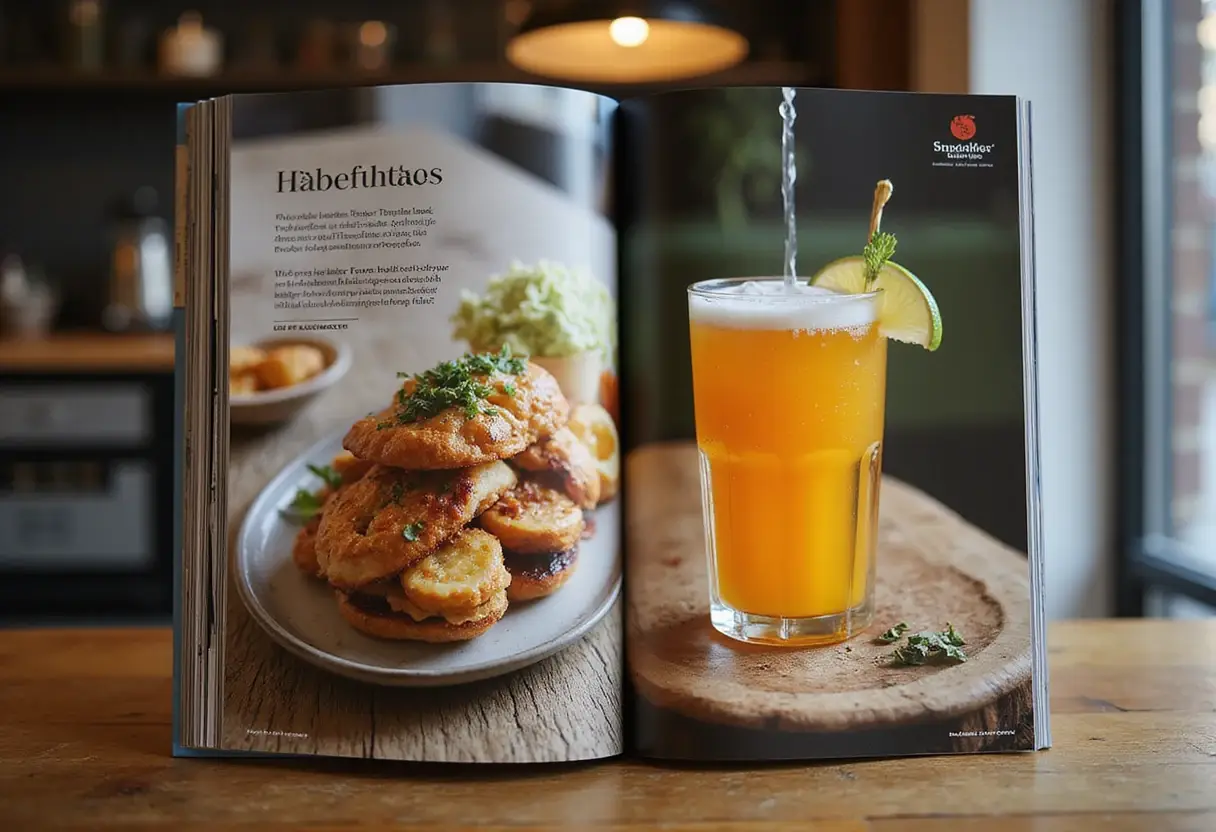
The BBC's decision to anchor its forecast in timelines, not just tables, is itself a signal. Social platforms now function as a discovery channel that drives trial traffic. Operators who treat visual presentation as a pricing lever, not decoration, tend to capture that traffic at better margins.
The caveat
No figure in this forecast has been independently verified, because none has been published in the available material. The six-trend structure implies research depth that the headline does not evidence. The BBC's food desk generally grounds its reporting in chef and analyst interviews, and the full article likely carries named sources. But a list of six is a format, and formats do not require data.
Watch for the follow-on. If suppliers begin quoting these six items in 2026 line sheets at premium prices, the forecast will have done its commercial work regardless of its accuracy.
The operators who profit from trend coverage are rarely the first movers. They are the ones who waited for supplier pricing to settle, then engineered the item into a menu slot that already carried a target margin.
More from Marcus Bennett
Show full bio
Market editor covering technology and product news in Restaurant and hotel operations at The Pass Brief.
477 articles