Bayonet in Birmingham Builds Its Menu on 20 Oysters and One Rule
Birmingham's Bayonet lists 20 oyster types and a swordfish pastrami Reuben. Chef Rob McDaniel explains the familiar-plus-unexpected formula behind the raw bar and menu.
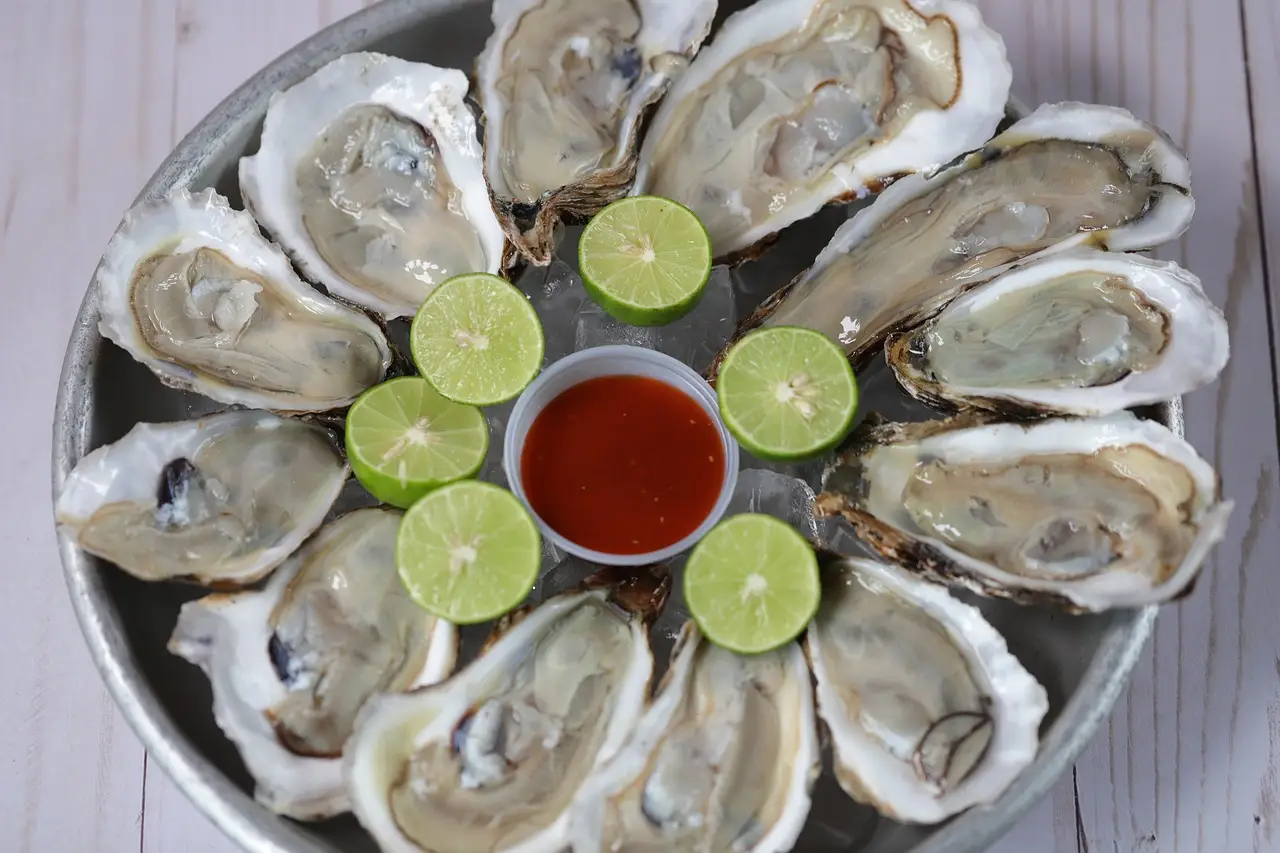
Bayonet serves 20 types of oysters alongside a lobster roll and a swordfish pastrami Reuben, and that pairing is the whole business model. The Birmingham, Alabama, seafood restaurant, which opened November 3, 2026, according to the published date of the feature, was designed around one idea: mix the familiar with the unexpected, and every table leaves satisfied.
Chef and co-owner Rob McDaniel did not set out to open Bayonet at all. He conceived the space as a small waiting area for Helen, his Southern grill next door, but location restrictions forced him to take over a much larger attached space instead. The larger footprint became a full restaurant. Even the name carries the pattern. "A lot of people associate [bayonet] with a sword, but it's actually a Spanish bayonet plant that we named the restaurant after, and so it is a little bit of the unexpected," McDaniel said.
How does the menu balance risk and comfort?
The strategy is deliberate menu engineering. Approachable anchors — a yellowfin tuna burger, a lobster roll added recently that has "gone over very well" — sit next to octopus, crudo and sashimi that push past some diners' comfort zones. The familiar dishes give guests "somewhere they can gravitate to," McDaniel said, while the adventurous items "pique people's curiosity while they're there."
He often watches tables order one safe dish and one risky one. The split hedges the check. Nobody dines down.
What drives the oyster program?
The oyster list applies the same logic to sourcing. Gulf oysters are native to the region's food culture, and most local diners already know varieties by name, including Murder Point oysters from Alabama. Bayonet lists those next to lesser-known East and West Coast options, such as Kumamotos from Washington.
The point, McDaniel said, is discovery. "You get a totally different experience, and you understand the terroir or merroir (the marine equivalent of terroir, reflecting the waters where an oyster grows) of oysters … and it's kind of an 'aha' moment for people."
Why break down fish in front of guests?
The raw bar doubles as theater. Dedicated oyster shuckers are a familiar sight in Alabama restaurants; a whole fish broken down at the bar is not. "One of our sous chefs breaks down all of our fish when we get whole tuna in or whole swordfish," McDaniel said. "That usually draws a pretty good crowd of folks."
Whole-fish butchery in the dining room also signals sourcing transparency, a visible answer to where the product came from before it reached the plate.
The cocktail program follows the same familiar-plus-strange formula. One drink incorporates Nerds candy.
McDaniel frames the visual component as part of the value proposition rather than decoration. "It's just like an open kitchen, and there's activity and things going," he said. "We talk more and more today about people going out to eat — it's more than them just going out to eat. They're looking for an experience, and so if you can provide visual entertainment while they're dining, you're getting more of an experience."
Whether the familiar-plus-unexpected formula holds as Bayonet matures beyond its opening months will depend on whether the adventurous dishes keep pulling their share of the order mix.
More from Rebecca Stone
Show full bio
Senior reporter covering technology and product news in Restaurant and hotel operations at The Pass Brief.
575 articles