Avolon's 250-Plane Order Headed a Month of Split Travel Capital
Avolon's 250-aircraft order led October's 59 tracked travel capital moves, as hotels sold under distress and airlines bet on future capacity.
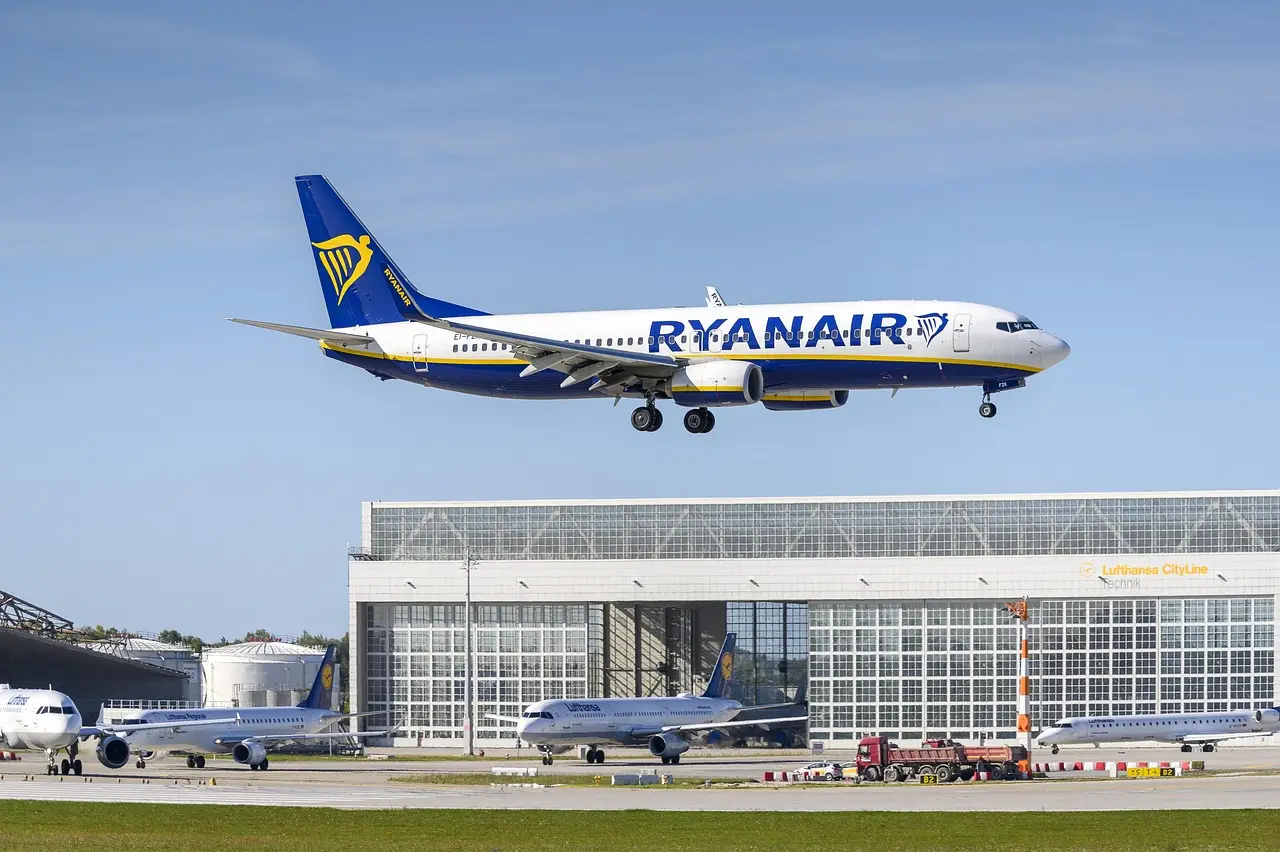
Avolon ordered 250 aircraft in October, and Aviation Capital Group ordered 75 more — the two biggest capital commitments in a month that split travel spending into two very different stories. Skift's Capital Moves tracker logged 59 notable capital allocations across global travel in October, with hotels and aviation accounting for 37 of them.
The two sectors moved money for opposite reasons. In hotels, capital changed hands as sellers paid down debt or worked through distress. In aviation, capital went into future capacity — and the debt that funds it.
What does that look like on the hotel side? Debt, receivership and consolidation drove nearly every deal.
- Pandox sold seven Nordic hotels to pay down debt.
- Receivers sold two Shimao hotels in Hong Kong.
- Two Indian hotels passed to a new owner through insolvency.
- Endeavor picked up a seven-hotel portfolio around Chicago Midway Airport.
- Sunday PropTech struck a deal for Fletcher's roughly 170 hotels.
The pattern is straightforward. Owners under financial pressure sold, and buyers with capital used the moment to consolidate portfolios. That's classic distressed-cycle behavior: assets move from leveraged holders to consolidated operators, often at prices the sellers didn't want but couldn't refuse.
What does the aviation money actually buy?
Aircraft orders are bets on passenger demand years out. Avolon's 250-aircraft order and Aviation Capital Group's 75-plane commitment mean lessors are locking in future fleet capacity now, financed with the debt that surrounds such deals. Airlines did the same thing in smaller form: Southwest, IndiGo and Allegiant all lined up financing during the month.
One deal signals consolidation in the aftermarket. AAR expanded its revolving credit facility to $1.375 billion ahead of its planned acquisition of MRO Holdings — a maintenance, repair and overhaul player. More borrowing capacity, then a targeted buy: the classic sequence for a company preparing to absorb a competitor.
Where did venture money go?
Startup funding stayed modest. Ten of the 17 venture rounds tracked in October were $5 million or less — that's nearly 60% of deals sitting at what counts as seed-stage money in travel tech.
The AI capital that did move went into plumbing rather than flash:
- Connecting AI agents directly to travel inventory.
- Automating hotel guest messaging.
- Tracking hotel prices after booking, on the consumer's behalf.
Booking Holdings also plans to invest up to $100 million in Vayo, its own AI trip-management startup — but the money is contingent on product progress, so it's a milestone-based commitment, not a blank check.
Consolidation ran through travel technology too. SITA agreed to two airline and airport technology acquisitions in under two weeks, and Duetto bought FLYR's hotel revenue management business. For hotel operators, the Duetto-FLYR deal matters directly: revenue management tooling is consolidating into fewer hands, which tends to reshape vendor pricing and product roadmaps over time.
What does this change for operators and investors?
For hotel owners, October suggests the distress window is still open — and buyers are still positioned to take advantage. For airlines and lessors, the aircraft orders signal confidence in demand strong enough to justify hundreds of new airframes and the financing behind them.
The month's clearest signal is where the money didn't go: venture rounds stayed small, and even the largest AI commitment — Booking's $100 million — comes with strings attached. Watch whether November's tracked moves keep tilting toward debt-driven hotel transfers and capacity-driven aviation orders, or whether venture capital returns to travel startups in size.
More from Olivia Hart
Show full bio
Staff writer covering regulation, policy and their impact on Restaurant and hotel operations at The Pass Brief.
627 articles