American Social Founder Bets on New York Pizza With Pie Fidelity Concept
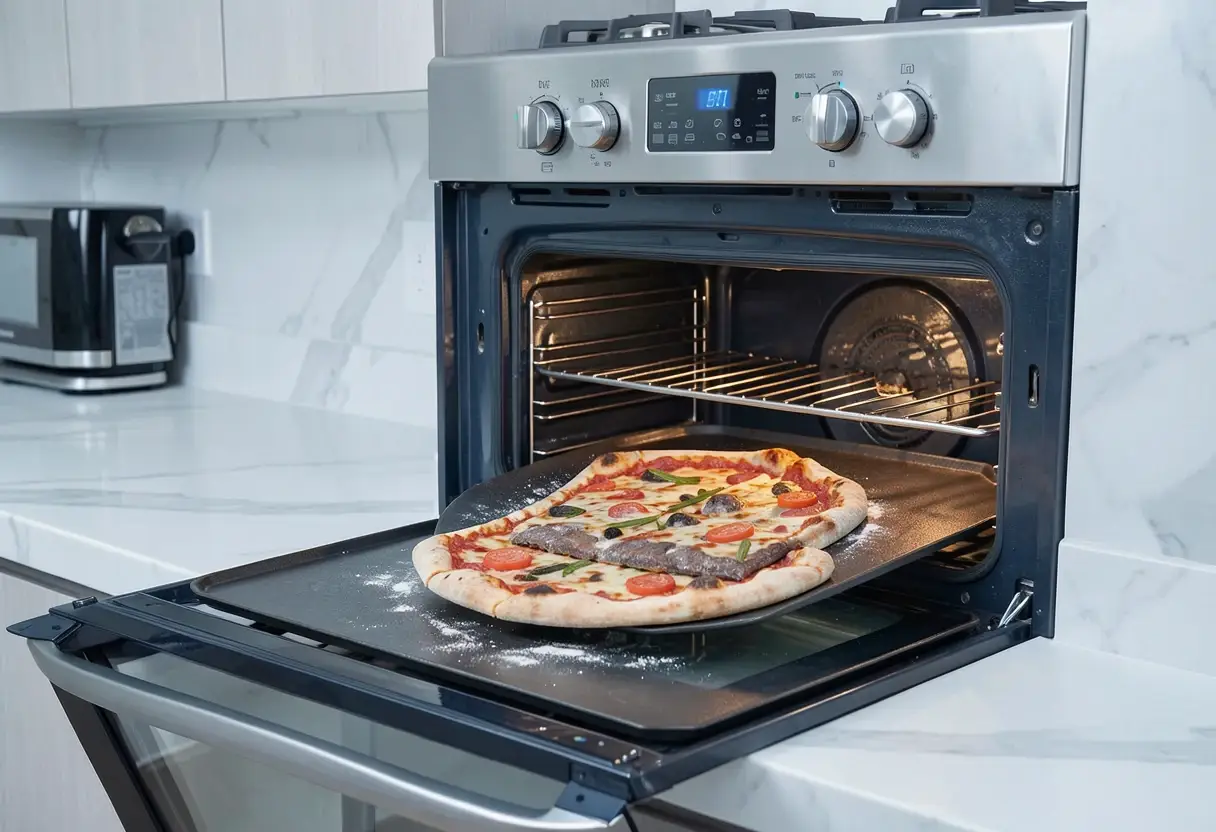
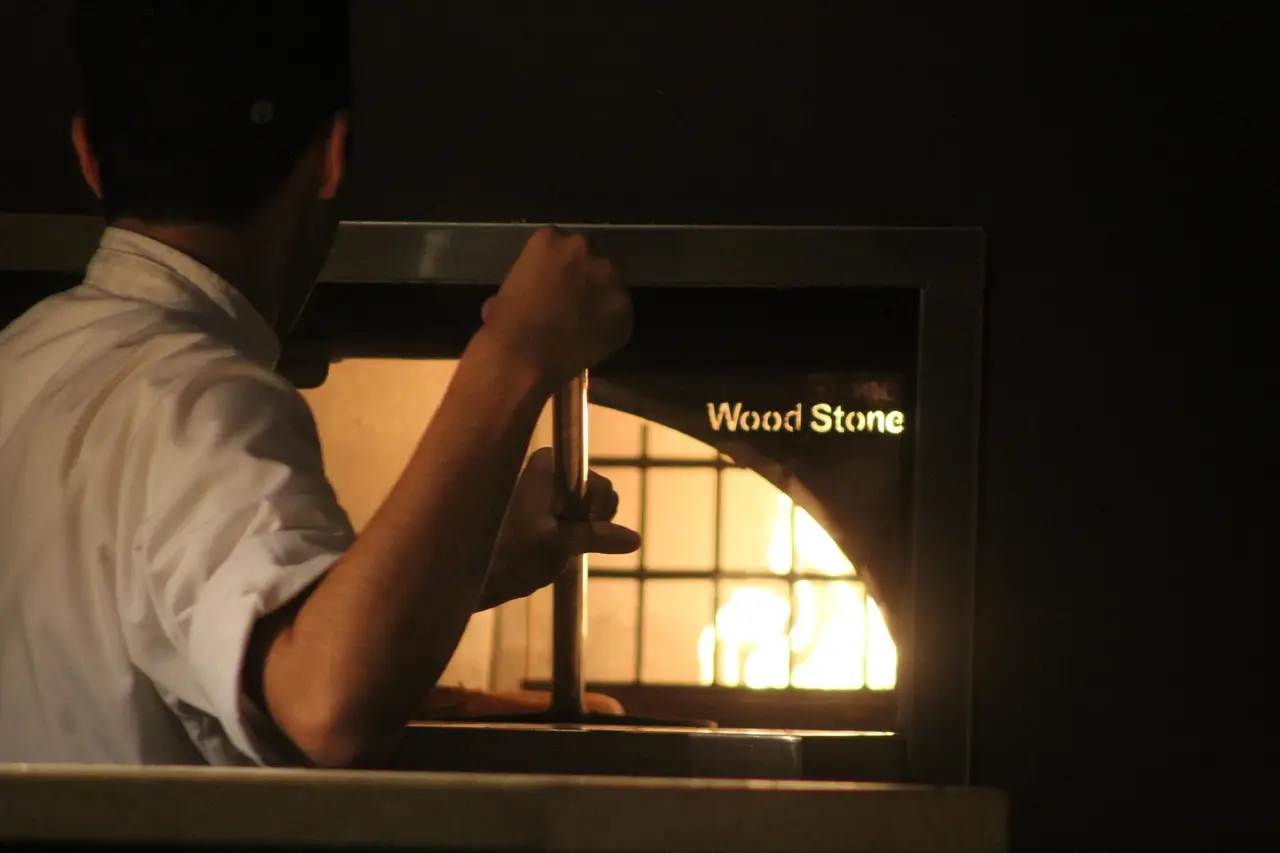
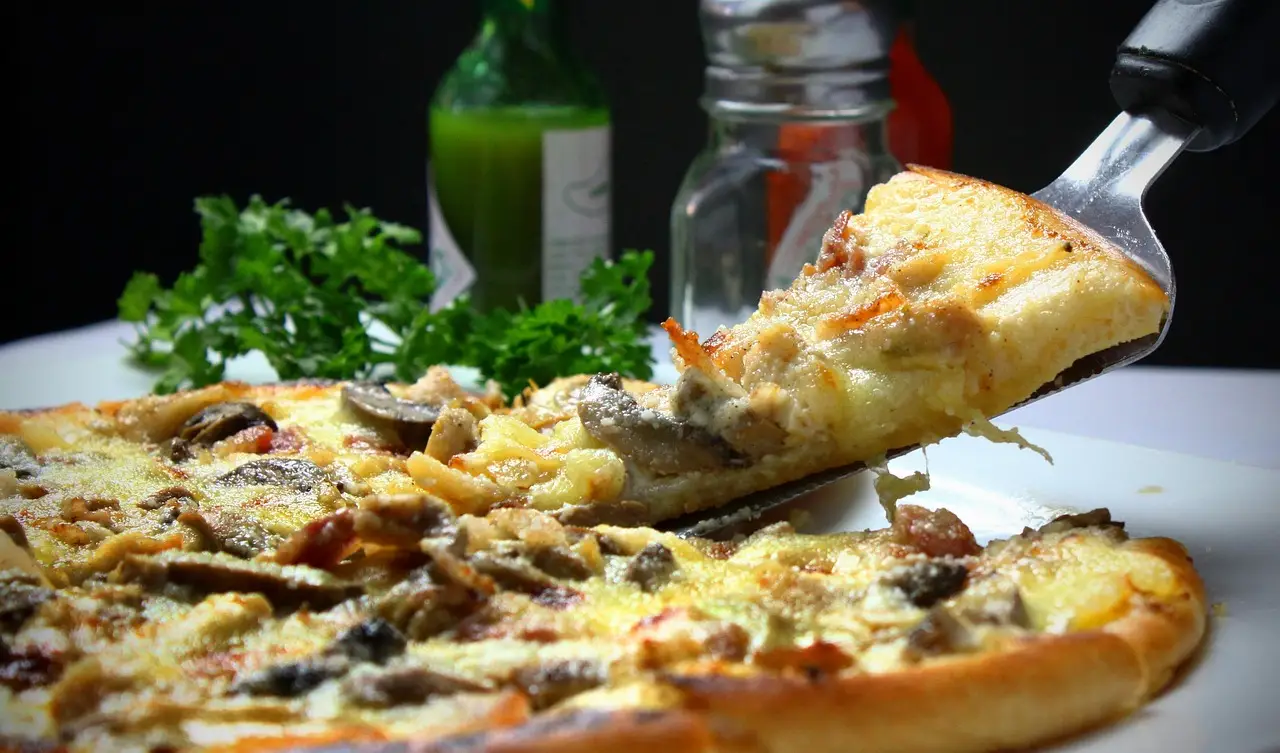
Rick Mijares, who opened the first American Social in 2012, is developing Pie Fidelity Pizza and Playlists, an '80s- and '90s-themed New York-style pizza concept that could debut in South Tampa.
Rick Mijares opened his first American Social in June 2012 — a 116-seat restaurant on Las Olas Boulevard in Fort Lauderdale — and 13 years later, with five locations operating and a sixth in development in Delray Beach, he is building a second brand around New York-style pizza.
The new concept is Pie Fidelity Pizza and Playlists. It pairs pizza with an '80s- and '90s-inspired setting, built on Mijares' memories of riding his bike to the neighborhood pizza shop, dropping quarters into video games, and heading home when the streetlights came on.
What does this change for the American Social operator? It marks the group's first move beyond the bar-and-kitchen format that has defined it since launch, and it adds a second growth vehicle while the core brand continues to expand.
Where will Pie Fidelity open first?
Development is underway in Delray Beach, where a sixth American Social is also planned. But a potential South Tampa location could introduce the pizza concept first. Mijares says a letter of intent is out on that space, and the condition of the building could allow it to move faster than the Delray Beach site.
The timeline follows a pattern Mijares has run before. The first American Social outperformed his highest projections, and within roughly six months he and his partners were discussing a second location. A waterfront restaurant in Miami's Brickell neighborhood followed in 2014.
Why the name took so long
The vision preceded the identity. Mijares initially called the concept Rick and Johnny's, a name he liked for its rhythm and the neon colors he could picture around it, drawing on references like Miami Vice. But he could not connect it to the restaurant he wanted to build.
"Ultimately, I couldn't put a story behind the name," he said on FSR's The Restaurant Innovator podcast.
He approached a branding agency he had worked with on American Social and received a proposal that included naming the concept. He turned that part down. The restaurant came from his memories, and he wanted its identity to come from him as well.
"I wouldn't accept the fact that I was gonna build a brand with a name not created by me," Mijares says.
Pie Fidelity — a play on "high fidelity" — connected pizza, music, and the childhood experiences behind the concept. "I'm a music guy, I'm creative, I love Hi-Fi, I love those '80s and '90s movies," he says. "They've influenced my life."
A forced rename taught him the lesson
Mijares has changed a concept's name before, though not by choice. American Social began as Standard and Pour, a craft-beer-driven concept with a black-and-white aesthetic. During development, a cease-and-desist forced him to rebuild an identity he had already invested heavily in.
"Here I am, coming into the bottom of the seventh inning," he recalls. "This concept is ready to launch, and I have to start from scratch from the creative."
A visit to Chicago pointed him toward a replacement. He was drawn to Old Town Social, and to the word "social" in particular. Back home he tested words against it until he landed on American Social. The new name brought red, white, and blue into the concept and widened its design possibilities.
"It was a totally new direction, totally reinspired," Mijares says. "It felt like some of those black and white movies when you discover they turn to color. It's like, 'my gosh, I didn't imagine how vibrant it could be.'"
A different launch playbook this time
When American Social opened, Mijares, his partner, and a kitchen manager ran the restaurant seven days a week, open to close. As the company expanded to multiple units, they built operating systems while learning multi-unit management.
Today he has an established executive and support team, plus restaurant managers who help stage openings. He points to a longtime Fort Lauderdale bar manager who contributes training, operating procedures, and culture at new locations.
How long can nostalgia carry a restaurant?
Mijares rejects the idea that Pie Fidelity is chasing a trend. Constantly pursuing viral moments, he argues, means chasing an audience whose attention is already moving on.
"You're gonna strike out a lot more than you get hits," he says.
He expects the restaurant to evolve. American Social's Life magazine covers have stayed on the walls since the beginning, but lighting, music, uniforms, and menus have all been reconsidered over time. Pie Fidelity's movie posters and cultural references will not necessarily be permanent either.
What he wants to preserve is a familiar gathering place where the interaction matters as much as the surroundings — one that works for guests who never knew the original pizza shops and cassette stores.
"I think that there is going to be a younger generation that is going to walk in and say, 'it must have been pretty cool to grow up back then, because this is fun,'" Mijares says.
With a South Tampa letter of intent pending and Delray Beach development underway, Pie Fidelity's first opening could arrive before the next American Social does.
More from Elena Vasquez
Show full bio
News editor covering people, launches and day-to-day practice in Restaurant and hotel operations at The Pass Brief.
785 articles