AI 'Slop' Is Spreading Across Restaurant Menus as Owners Cut Costs
Restaurant menus are filling with AI-generated 'slop' as owners chase savings in labor and copywriting costs, CBC reports — but accuracy and allergen liability remain unaddressed.
Restaurant menus are filling with AI-generated content, and some owners admit the motive is money, not craft. CBC reports that so-called AI "slop" — machine-written descriptions, photos and menu copy — now dominates parts of the industry, as operators look for savings in labor and time.
The report lands at a moment when food costs and wages keep squeezing margins. Menu copy has traditionally cost operators real money: copywriters, photographers and design time. Generated text replaces that spend almost entirely. Who pays instead is less clear. Diners may bear the cost in accuracy, when a generated description fails to match what the kitchen actually serves.
What does AI 'slop' actually mean on a menu?
The term describes low-effort, machine-produced content pushed out at volume. On menus, that means:
- Dish descriptions written by chatbots, often with formulaic phrasing
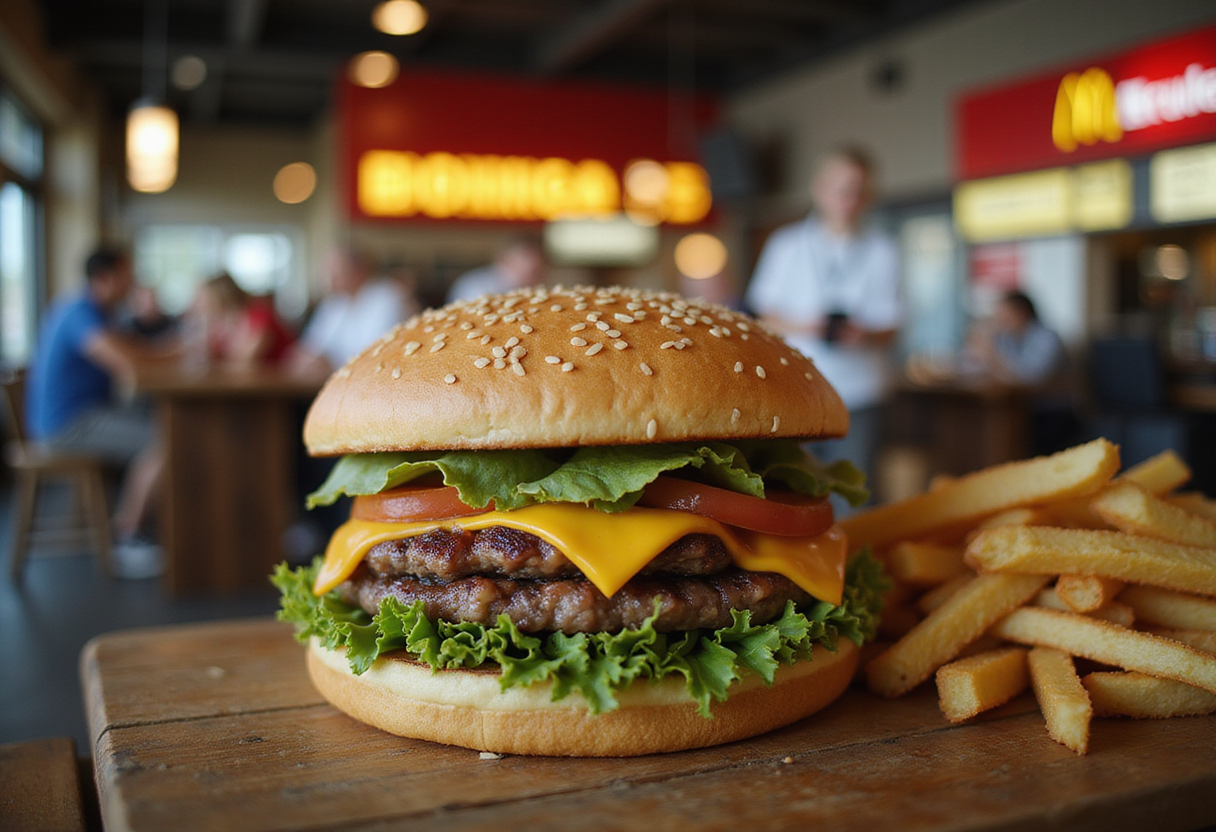
- AI-generated food photography that may not match the plated dish
- Translated or localized menus produced without human review
The CBC reporting does not quantify how many restaurants use these tools. That gap matters. The claim of "domination" rests on anecdotes from owners who have adopted the technology, not on market share data.
Why are owners turning to it?
The operators CBC spoke with framed the choice in economic terms. Writing and photographing a full menu takes hours of staff time or hundreds of dollars in freelance fees. Generation takes minutes. For a single-location independent running thin margins, that arithmetic is hard to ignore.
There is a catch. Faster copy is not better copy. Generated descriptions can misstate ingredients, allergens or portion sizes. A menu is, in effect, a contract with the guest. When the text misleads, the operator owns the complaint regardless of who or what wrote it.
What is not being said?
The report does not address liability. If an AI-written menu omits an allergen, the disclosure rules still apply to the restaurant, not the tool. It also does not cover franchise systems, where brand standards usually bar individual operators from generating their own menu language. The "slop" problem appears concentrated among independents and small groups.
Nor does the reporting establish whether diners notice or care. Owners save time and money. Whether guests return is the metric that decides if the savings were real.
The technology is cheap and getting cheaper. Expect generated menus to spread further before any quality standard, voluntary or regulatory, catches up.
More from Marcus Bennett
Show full bio
Market editor covering technology and product news in Restaurant and hotel operations at The Pass Brief.
326 articles