Advent Calendar Boom, AI Backlash and Two Restaurant Ventures
Advent calendars are headed toward $2.47 billion by 2033, while a $5 million Hell’s Kitchen bar clarifies where AI belongs and two restaurant figures prepare new ventures.
By Olivia Hart
Bon Appétit writer Emily Bloch expects the global advent calendar market to reach $2.47 billion by 2033. Google Trends data shows search interest has climbed steadily for five years.
Alison Roman, a Bon Appétit alumna, said in a phone interview earlier this week: “I’m not going back to Home Movies. I’m just not.” Her new podcast is due for an official announcement early next week.
Andy Baraghani is opening Ditto, his first restaurant. Meanwhile, the owners of a roughly $5 million Hell’s Kitchen bar say AI made promotional posters, not the venue itself.
Why are advent calendars still growing?
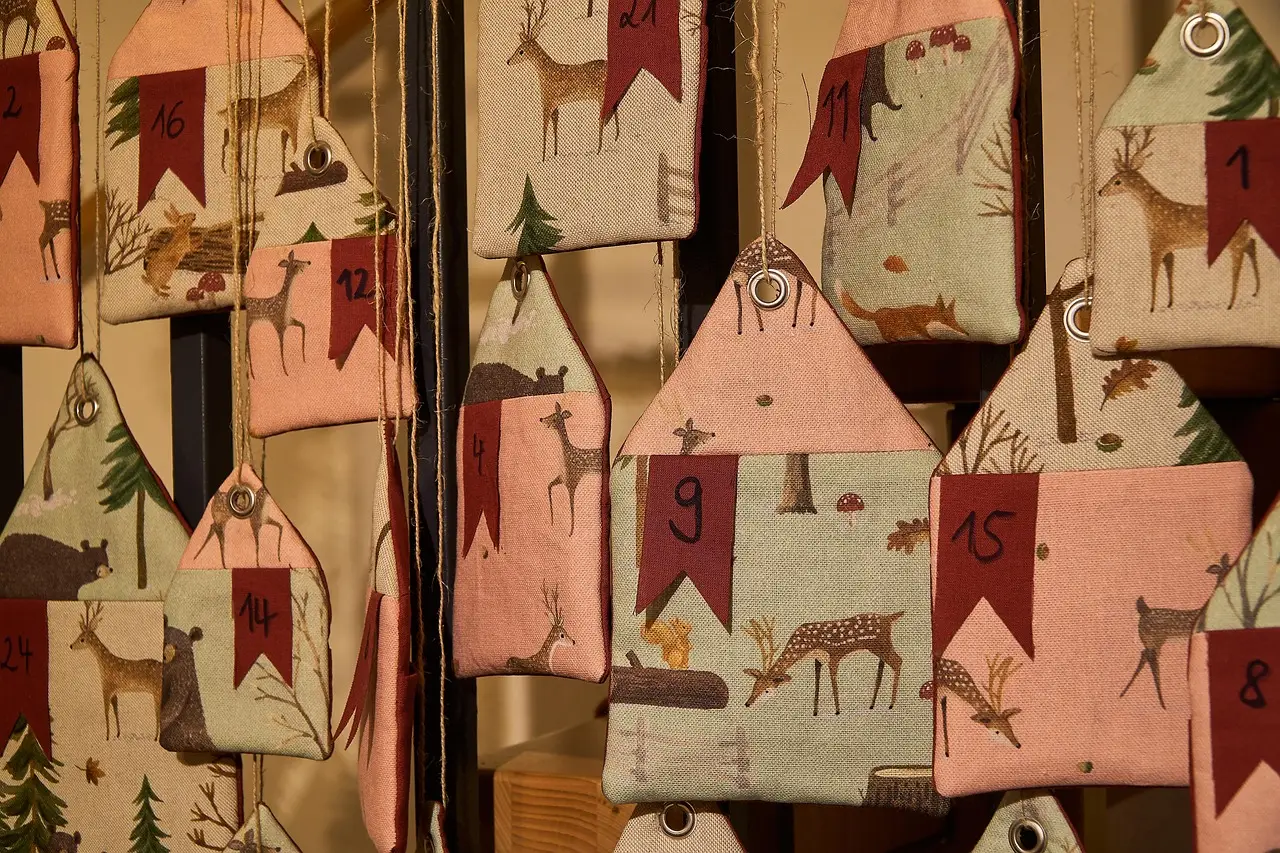
Modern calendars have moved beyond cardboard boxes containing often unpleasant chocolates. Tinned fish, jewelry and skincare now sit behind the daily doors, extending the “little treat” ritual into products beyond confectionery.
Two mechanisms support the format. Daily surprises create repeat engagement, while unboxings fit short-form vertical video, whose reveal-based structure rewards each opening. Controversy adds a third engine: Chanel’s $825 calendar drew widespread criticism in 2021, with customers calling its products decidedly lackluster; Skims is offering refunds on its $148 calendar after similar backlash this year.
The cycle can reward outrage because reactions become more content, extending a product’s visibility beyond seasonal sales. The modern calendar now generates attention twice, through the sale itself and through the content surrounding it. Search interest has not reached a summit; the five-year rise and 2033 forecast point to continued expansion.
Did AI design Pride Bar x Lounge?
No, according to the two co-owners of Pride Bar x Lounge, a gay bar in New York City’s Hell’s Kitchen. They told The New York Times that AI did not design the roughly $5 million venue, although they used AI to make promotional posters that also drew heat.
Online commenters focused on the rainbow flags and an almost implausibly “gay bar-coded” look. The room looked to critics like a Netflix set and, to one observer, almost impressively bland. The owners’ account separates a physical project from a marketing campaign.
That episode revealed a sharply drawn public boundary. Grocery lists and trip planning seemed acceptable uses of AI; asking it to identify what a child likes met immediate resistance, as did using it to design a gay bar. The backlash centered on whether AI should shape the expression of a marginalized identity.
What are two restaurant figures opening?
Roman plans to announce the podcast officially early next week. The show will combine cooking, guests and banter, and Roman said it will differ from her earlier work.
She also is preparing First Bloom, a soon-to-open New York City storefront. Roman has not released an opening date, menu or pricing, leaving its operating economics unanswered for now.
Baraghani, a former Bon Appétit food editor, is opening Ditto in Union Square. After years cooking for others, he worked on the line at Chez Panisse and in the publication’s test kitchen before taking on his own venture.
Baraghani told Ella Quittner: “There’s an explicit confidence you’ll see.” Ditto’s opening date, menu prices, labor costs and food costs also remain undisclosed.
What does this change for operators?
For food retailers and packaged-food brands, the daily-reveal format can function as a content engine, not merely a holiday container. Novelty still has to support a premium price, because attention does not guarantee clean economics: Skims’ $148 calendar now carries refund exposure.
Neither the $2.47 billion forecast nor the $825 and $148 prices disclose cost of goods or margins, so none establishes seller profitability. The roughly $5 million cost to bring Pride Bar x Lounge to fruition is a development figure, not a margin measure. The report provides no sales, labor or food-cost data for the bar.
AI did not replace the bar’s core design work; it supplied posters. The report identifies no poster vendor or production fee. The co-owners retained control of the room and its identity, while the tool supplied the campaign layer.
The next useful disclosures for First Bloom and Ditto are equally basic: opening dates, menu prices, food costs and labor plans. Until those figures appear, neither operation’s margin case can be evaluated.
The immediate markers include Roman’s podcast announcement early next week, more First Bloom information and details for Ditto. In the consumer market, five years of rising searches and the $2.47 billion forecast suggest the advent calendar will keep expanding, with daily content and public reaction determining which products hold attention.
More from Olivia Hart
Show full bio
Staff writer covering regulation, policy and their impact on Restaurant and hotel operations at The Pass Brief.
692 articles