Accor to add historic Manhattan hotel to MGallery soft brand
Accor will fold a historic Manhattan hotel into its MGallery soft brand, Hotel Management reports. The filing omits the property name, deal terms, and conversion date, leaving industry watchers to await an Accor newsroom confirmation.
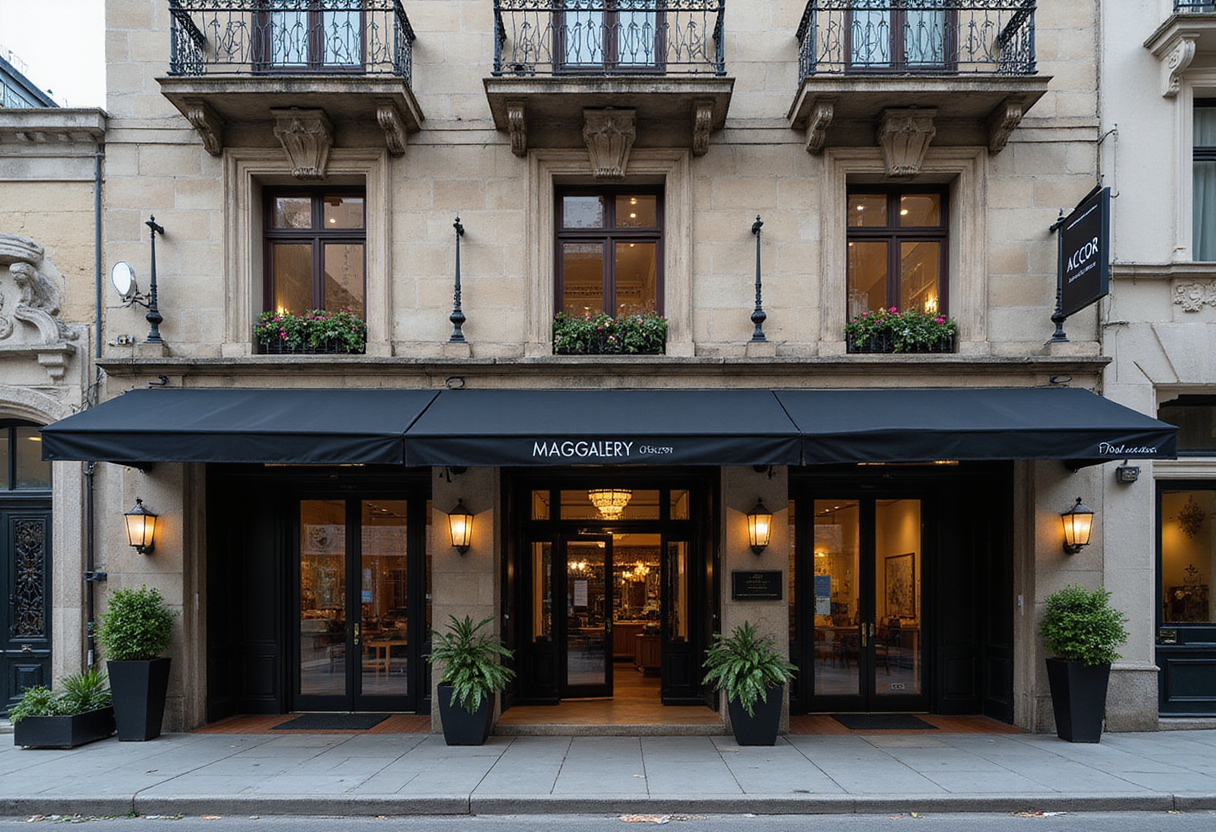
A heritage New York City property will join MGallery, the Paris-based hospitality group's curated soft brand, per a Hotel Management wire. The filing did not name the hotel, set an opening date, or disclose deal terms.
That thinness is the news. Accor rarely confirms U.S. conversions before rebranding standards and licensing are signed. The group's pattern is to flag new MGallery addresses only after entitlements clear and a press cycle is ready, so a name-less wire signals a deal in flight rather than a ribbon-cutting.
What does MGallery actually do?
Accor introduced MGallery in 2008 as a story-led alternative to Sofitel and Pullman. The collection groups individually designed heritage hotels under one reservation engine and the ALL (Accor Live Limitless) loyalty program, but it does not impose prototype room configurations or a uniform F&B (food and beverage) offering. Each property keeps its own restaurant, design language, and pricing discipline.
For owners the model is contract-light relative to full-service flags. Most MGallery hotels operate under management agreements or franchise arrangements. Management deals let Accor run the asset and earn a share of GOP (the percentage of revenue left after operating expenses); franchise deals let the owner keep operating control and pay Accor for distribution and brand use. Either path plugs an independent operator into Accor's corporate sales channels, revenue management software, and direct-billing infrastructure that procurement teams increasingly require.
Why does Manhattan keep drawing soft-brand deals?
Manhattan ADR (average daily rate, the average paid per occupied room) has led U.S. urban markets for most of the past decade. That pricing power has not insulated operators from cost pressure. Industry benchmarks from STR (the hotel benchmarking group) and HotStats have tracked GOP compression of several percentage points versus 2019 baselines at full-service urban properties.
A soft brand speaks directly to the squeeze facing independent Manhattan owners. They keep operating autonomy, retain a branded restaurant identity, and preserve prewar or landmark interiors. Cost: a revenue or GOP share to Accor. Benefit: distribution to corporate, group, and loyalty channels that increasingly refuse to book a property lacking standardized reservations and direct billing. Prewar buildings inside landmark districts cannot cost-effectively install prototype FF&E (furniture, fixtures, and equipment) packages anyway, which makes a soft brand the cleaner trade for operators choosing between renovation capex (capital expenditure) and a licensing fee.
What is not yet public?
Hotel Management did not identify the building, the seller, the franchisee, or the contract structure. Accor typically confirms MGallery additions through owner-led press or its own U.S. newsroom once standard sign-offs close, so expect a follow-up filing with the name, timeline, and management-versus-franchise split.
What comes next?
Watch Accor's U.S. press feed, the next quarterly MGallery portfolio disclosure, and the property's own website refresh. Until those land, this report functions as a useful but incomplete marker that MGallery is still adding in Manhattan and Accor is still absorbing U.S. inventory while pulling back on some premium-tier assets elsewhere.
More from Rebecca Stone
Show full bio
Senior reporter covering technology and product news in Restaurant and hotel operations at The Pass Brief.
332 articles