90% of Hotel Leaders Say AI Speeds Admin Work; Only 15% See Frontline Gains
AHLA and Actabl data show 90% of hotel leaders report AI speeds routine tasks, but only 15% see frontline gains as academic research flags automation bottlenecks.
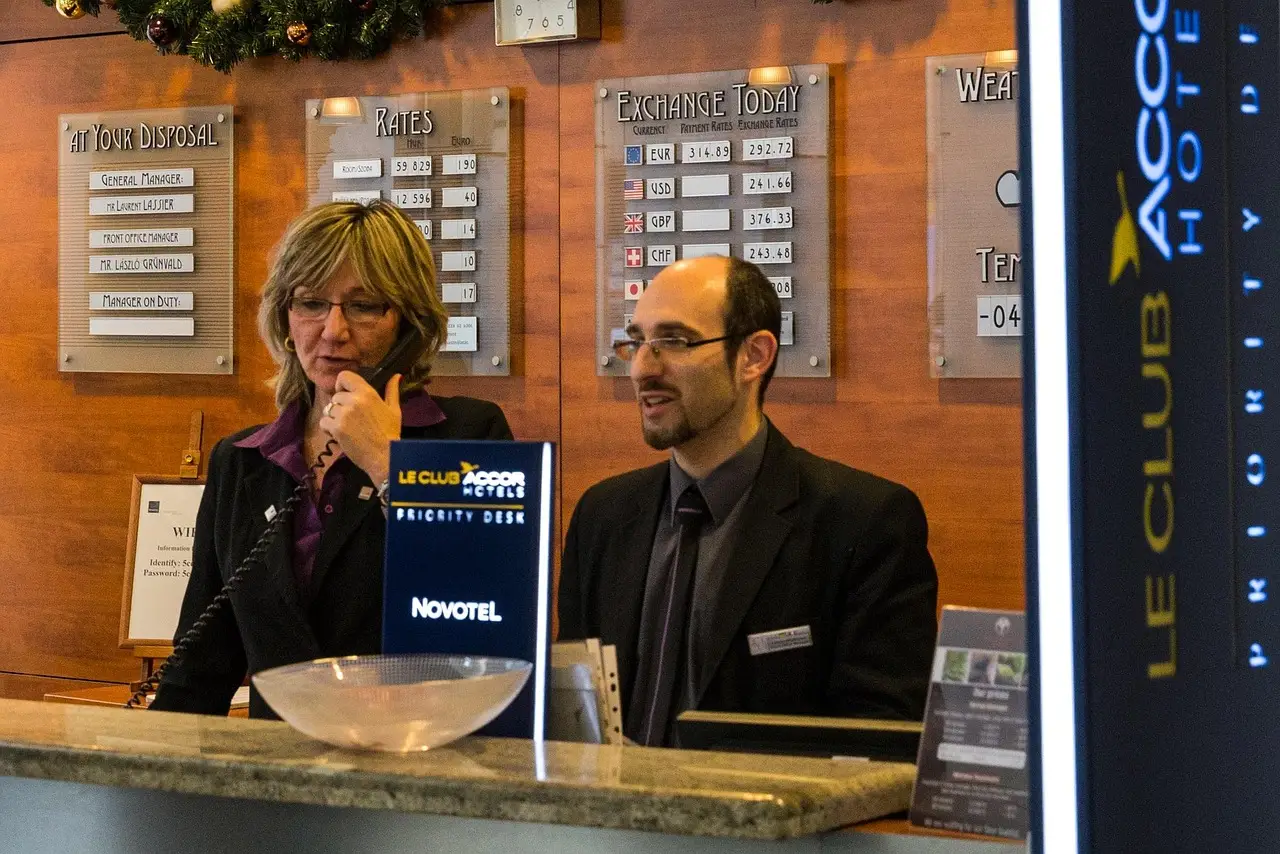
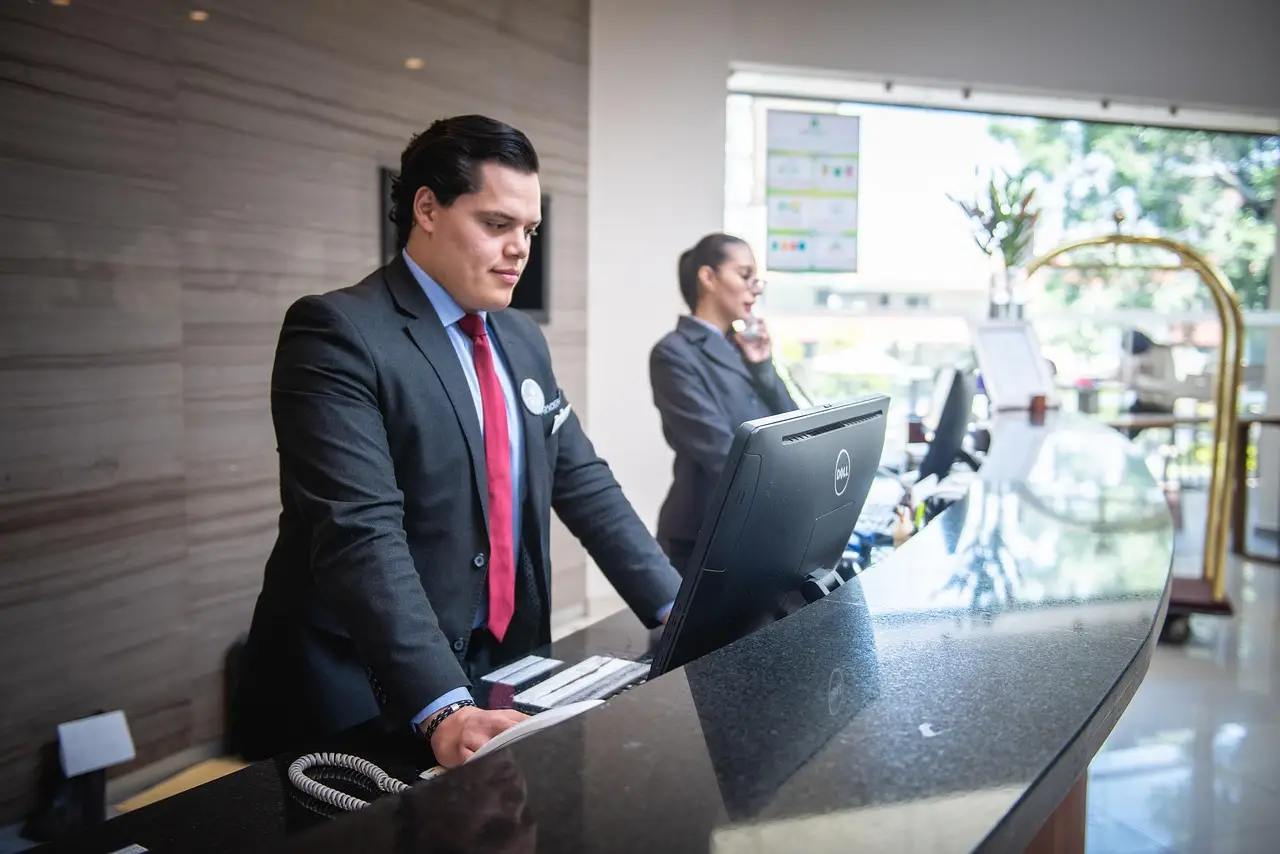
Nine in 10 hotel-company leaders say AI has improved the time spent on routine tasks, yet only 15% report any improvement in frontline operations. That gap is the central finding of a November 2026 report from the American Hotel & Lodging Association and Actabl, built on a Destination AI survey of 107 hotel-company leaders, and it maps neatly onto harder evidence from academia: more than 90% of frontline hotel tasks face at least one moderate-to-severe technical obstacle to automation.
What does the survey actually measure?
The AHLA/Actabl numbers lean managerial. Some 84% of respondents said AI improved their own work, and 90% cited faster routine tasks. But only 6% of respondents held operational roles, so the data mostly reflects how managers perceive AI, not what desk clerks, housekeepers and servers experience.
The report also carries workforce figures. Labor hours per occupied room fell 3.1% at participating full-service hotels and 3.5% at select-service properties during the first half of 2026. That's real productivity improvement, but the report doesn't establish AI as the cause. Roughly three hours saved per 100 occupied room-nights is a useful frame — if it survives scrutiny.
Why frontline tasks resist automation
A separate study published in the November 2026 edition of Annals of Tourism Research puts numbers on the constraint. Researcher Santiago Melián-González analyzed 202 tasks across 12 occupational categories in Spanish four- and five-star sun-and-beach hotels, using three AI systems to rate bottlenecks in physical manipulation, manual dexterity, social perceptiveness and negotiation.
The results vary sharply by role:
- Receptionists and assistants: 85.71% of tasks face moderate-to-severe constraints
- Waiters: 93.55%
- Housekeepers: 94.59%
- Across all categories: 90.78% on average, dropping to 40.48% under a severe-only threshold
These figures don't predict job losses. They describe technical difficulty, and they suggest partial automation is far more achievable than full role replacement. Two caveats apply: the study weighted all tasks equally regardless of frequency, and it assessed feasibility on paper rather than in operating hotels.
Where PMS and POS systems fit
Property management systems handle reservations, guest profiles, availability and room status — structured data that AI handles well. The Shiji analysis underpinning this coverage argues AI becomes useful when reliable PMS and POS data provides context for decisions, such as finding an available room for an early arrival. What it can't do is read the guest's mood, explain alternatives or exercise judgment. Bad data makes things worse: incorrect room statuses can generate unsuitable recommendations and add work.
On the POS side, waiters show a telling split — 93.55% of tasks hit moderate-to-severe constraints, but only 35.48% hit severe ones. A POS can process payments while staff handle disputed charges and special requests. Demand forecasting and transaction analysis are the realistic AI additions, not service replacement.
Housekeeping follows the same logic. Occupancy data, departure forecasts and room-status updates can improve scheduling and prioritization, while physical cleaning, inspection and handling irregular objects stay human.
What does this change for operators?
Return-on-investment data is the sticking point. Only 24% of surveyed leaders believe their AI investments have paid for themselves; another 28% say it's too early to tell. Just 42% express confidence in their organization's data readiness for AI.
The practical path forward is workflow-level measurement: reservation processing times, room-assignment accuracy, manual correction rates, billing corrections and order-processing efficiency, benchmarked before and after implementation and adjusted for occupancy and staffing shifts. Faster processing means little if incomplete updates create work elsewhere in the hotel. Expect operators to keep buying AI for the back office while frontline staffing plans stay largely intact through 2027.
More from Olivia Hart
Show full bio
Staff writer covering regulation, policy and their impact on Restaurant and hotel operations at The Pass Brief.
692 articles