90% of Harris Teeter Baby Food Samples Contained Lead, CRFB Finds
A lab tested 178 samples from Harris Teeter stores in Maryland and Virginia. Lead appeared in 90%, arsenic in 98%. Batch dates may exempt the sales from new state bans.
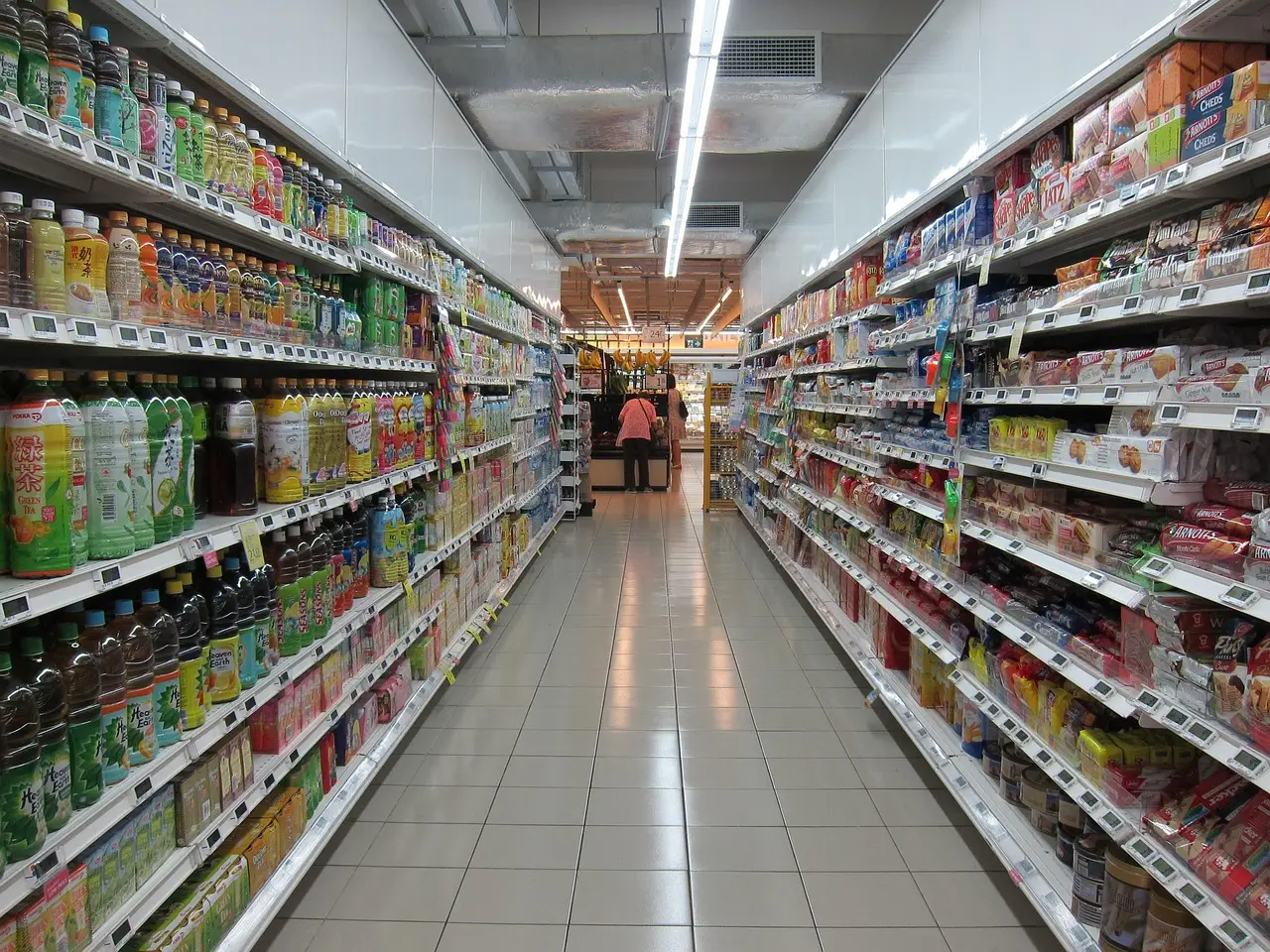
Ninety percent of baby food samples purchased at Harris Teeter stores contained lead, according to a new investigation by the Center for Responsible Food Business. The grocery chain, owned by Kroger, sold the products in the Washington, DC and Baltimore-area suburbs of Maryland and Virginia.
The scale of the testing was substantial. A laboratory bought 149 packages representing 72 different products and tested 178 samples for lead, arsenic, cadmium and mercury. Arsenic appeared in 98 percent of samples. Cadmium, a chemical used in batteries, showed up in 95 percent. Mercury appeared in 73 percent. Every single sample contained at least one of the four metals.
Which products exceeded the limits?
Three pouches of Happy Baby Squash, Chickpeas & Spinach and Avocado Oil & Sage carried lead levels above what the FDA allows. Kroger-branded teething snacks carried more than three times the lead the company initially reported for the same tested batches.
The report also lists broader findings:
- Lead, cadmium, arsenic and/or mercury appeared in every sample tested; 99 percent contained two or more toxic metals.
- Nearly half of the samples contained more lead than the FDA allows in bottled water.
- Kroger's own baby snacks contained substantially more lead than the company reported.
- Some baby foods exceeded California's daily lead exposure benchmark in a single serving.
- Missing baby food testing results raise what the report calls serious concerns about potential violations of state law.
Why can the chain still sell these products?
The answer lies in manufacturing dates. The suspect pouches came from the same production batch, possibly manufactured in October 2025. Maryland's law exempts baby food made before Jan. 1, 2026. That exemption means the state's sales ban did not apply to these pouches, and the stores may be off the hook legally.
Virginia's exemption turns on whether Harris Teeter already held the products in stock before that date. Seven months after the legislation took effect, the stores remained legally permitted to sell the contaminated food. The investigation effectively exposes the gap between what the laws prohibit and what they actually reach.
"Just because Harris Teeter may be legally permitted to sell these products doesn't mean it should," the report states.
What did the watchdog say?
CRFB president Taylor Warren framed the findings as a direct warning to parents. "Child caregivers should be alarmed that our investigation found baby food with dangerous lead levels still being sold at Harris Teeter locations in Maryland and Virginia despite new laws in both states prohibiting the sale of these products," Warren said in a press release.
He went further on the corporate record. "It is shameful that after years of warnings about toxic heavy metals in baby food, Harris Teeter and its parent company, Kroger, have not taken sufficient action to protect American families from potentially dangerous products," Warren said.
Is this Kroger's first heavy metals case?
It is not. Since 2022, the supermarket has defended a federal class action lawsuit, which names Harris Teeter as a defendant, over allegations that its Simple Truth Organic Rice Rusks were contaminated with the same four toxic metals.
Neither Kroger nor Harris Teeter has publicly responded to the testing claims in the report, at least as of its release. The batch-date exemptions in Maryland and Virginia remain the central legal shield, and any enforcement or recall action would need to work around them. Whether regulators close that loophole, or Kroger pulls the affected batches voluntarily, will determine whether these pouches stay on shelves through the rest of the year.
More from Marcus Bennett
Show full bio
Market editor covering technology and product news in Restaurant and hotel operations at The Pass Brief.
798 articles