16,000 NYC Storefronts Sit Empty as Closings Outpace Openings for 12 Quarters
NYC's storefront vacancy rate hit 11.32% in Q3 2026 with over 16,000 empty units. Closings have outpaced openings for 12 straight quarters. Costs, not chains, are the driver.
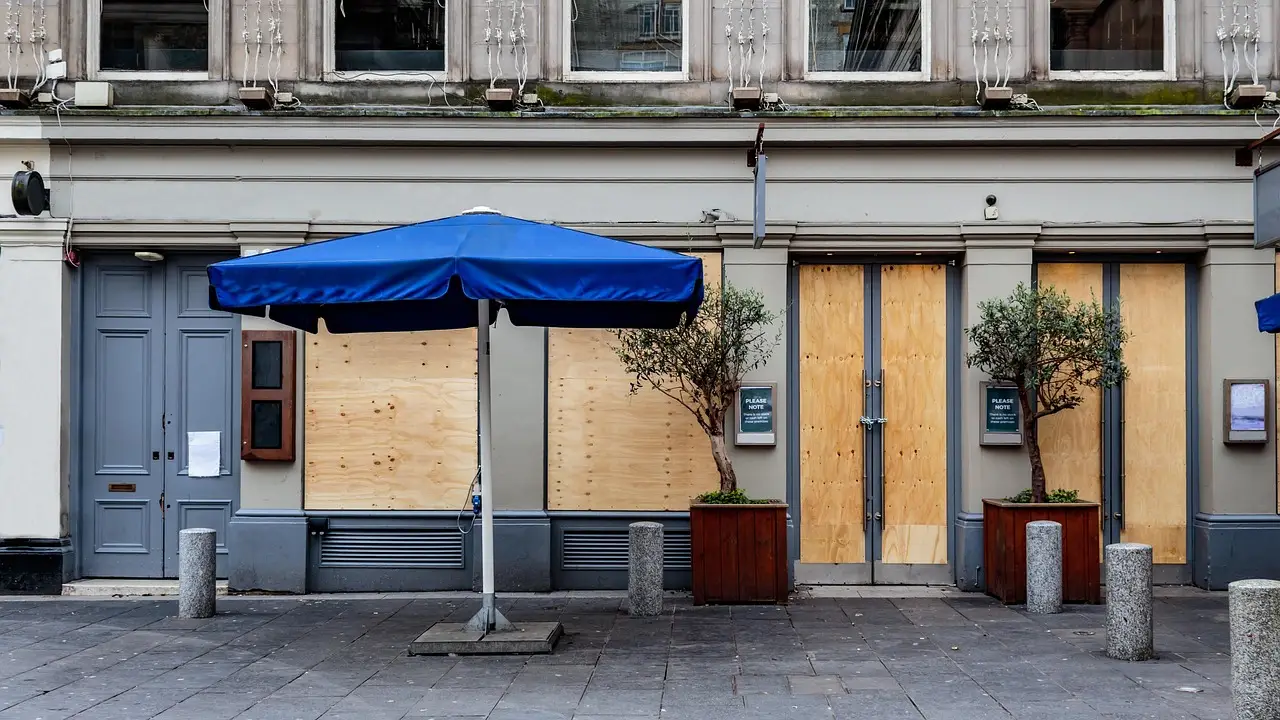
More than 16,000 storefronts sit empty across New York City's five boroughs, and closings have now exceeded openings for twelve consecutive quarters. The figures come from city Comptroller Mark Levine's office, which published the data through a newly launched Storefront Vacancy Dashboard.
The vacancy rate climbed to 11.32% in the third quarter of 2026, up from 11.26% in the prior quarter. Brooklyn and Queens fared worse than they did in late 2023. This is not a sudden shock. It is a slow bleed.
What happened in the third quarter?
Between July and September, 2,551 storefront businesses closed while 2,275 opened. That is a net loss of 276. Small businesses absorbed nearly three-quarters of the damage: 2,201 shut down and 1,996 opened.
Openings fell 16.1% from the previous quarter. Closings declined 17.4%. Fewer businesses are dying, but far fewer are being born. That is a distinction with consequences for anyone tracking neighborhood retail health.
More than 10,000 spaces previously occupied by small businesses remain vacant.
Which boroughs and corridors are worst?
Manhattan holds the highest vacancy rate at 13.12%, though that is down considerably from a post-pandemic peak of 15.8% in late 2023. Brooklyn is closing in at 12.68%. Queens posted the biggest increase of any borough since 2023, reaching 9.8%.
About one in five storefronts sits empty in parts of the Financial District, Tribeca, Ocean Hill, East New York and Old Astoria.
"Manhattan's recovery is real, but it's uneven, and the corridors that are still struggling tend to share a few problems," Jessica Walker, president and CEO of the Manhattan Chamber of Commerce, told The Post. "Blocks that lived on five-day office workers or a single anchor tenant lost their base, while neighborhoods with residents, tourists and nightlife have bounced back faster."
Vacancy by category is uneven too. Vape and cigar shops run at roughly 26% vacancy. Furniture and home goods retailers sit near 16%. Clothing storefronts are at about 13.5%. More than 10% of spaces previously occupied by bars are empty.
What is driving the closures?
The persistence is notable because it defies the headline economy. Tourism has rebounded. Citywide taxable sales rose 6.4% in fiscal 2026. The storefront losses continued anyway.
Costs tell a more convincing story. The city's minimum wage rose to $17 an hour in January. Consumer prices in the New York metropolitan area climbed 4.5% in the 12 months through September. A Federal Reserve Bank of New York survey found service businesses in New York and northern New Jersey reported an average cost increase of about 7% in 2025, with employee health insurance, utilities and business insurance rising fastest.
The report found little evidence that corporate chains are systematically displacing independents. Of roughly 96,500 storefronts occupied by small businesses at the outset of 2020, just 2,150 had been taken over by chains. The chain-displacement narrative does not survive the data.
Why do vacancies last so long?
A separate Levine office report from June found that in parts of Williamsburg, Crown Heights, Astoria, Midtown and the Upper East and Upper West sides, more than 60% of vacant small-business storefronts had been empty for at least two years. In some neighborhoods, the problem is not only closure. It is re-tenanting, which can take years.
Walker said the hardest-to-fill spaces were once occupied by pharmacies, banks and chain retailers. "Those spaces are far larger than what a local restaurant, salon or shop can use, and dividing them up is expensive and slow," she said.
Regulation adds delay. "Between building permits, inspections, liquor licensing and community board review, a new tenant can wait many months, often more than a year, paying rent before making a dollar," Walker said. She also cited longstanding scaffolding, major construction projects and Manhattan's Commercial Rent Tax as deterrents.
What are officials and operators proposing?
The Mamdani administration has announced more than 50 reforms aimed at helping small businesses, including streamlining permitting and licensing and addressing rent, insurance and utility costs. Announcements are not outcomes. Implementation timelines were not specified.
Ashley Ranslow, New York state director of the National Federation of Independent Business, blamed the City Council. "From paid and unpaid leave requirements to the threat of new lawsuits, it's becoming nearly impossible for a small business owner to operate in New York City," she said.
Andrew Rigie, executive director of the NYC Hospitality Alliance, called the report "another wake-up call" and tied it directly to restaurant economics. "With 15,000 restaurant and bar jobs lost over the past year, high labor costs, insurance premiums, rents, inflation, costly litigation, and bureaucratic red tape are squeezing small businesses," Rigie said. "Our elected leaders must focus on reducing the costs and burdens of doing business here, not adding to them, if we want to fill empty storefronts and keep New Yorkers employed."
Walker asked for firm deadlines on permit approvals, the chance to correct violations before fines, Commercial Rent Tax relief, city help subdividing large vacant spaces and incentives for long-term leases with independents.
The comptroller's office will update the dashboard quarterly, tracking openings, closings and vacancies to the neighborhood level. The next release will show whether the twelfth straight quarter of decline marks a floor or a waypoint.
More from Marcus Bennett
Show full bio
Market editor covering technology and product news in Restaurant and hotel operations at The Pass Brief.
847 articles