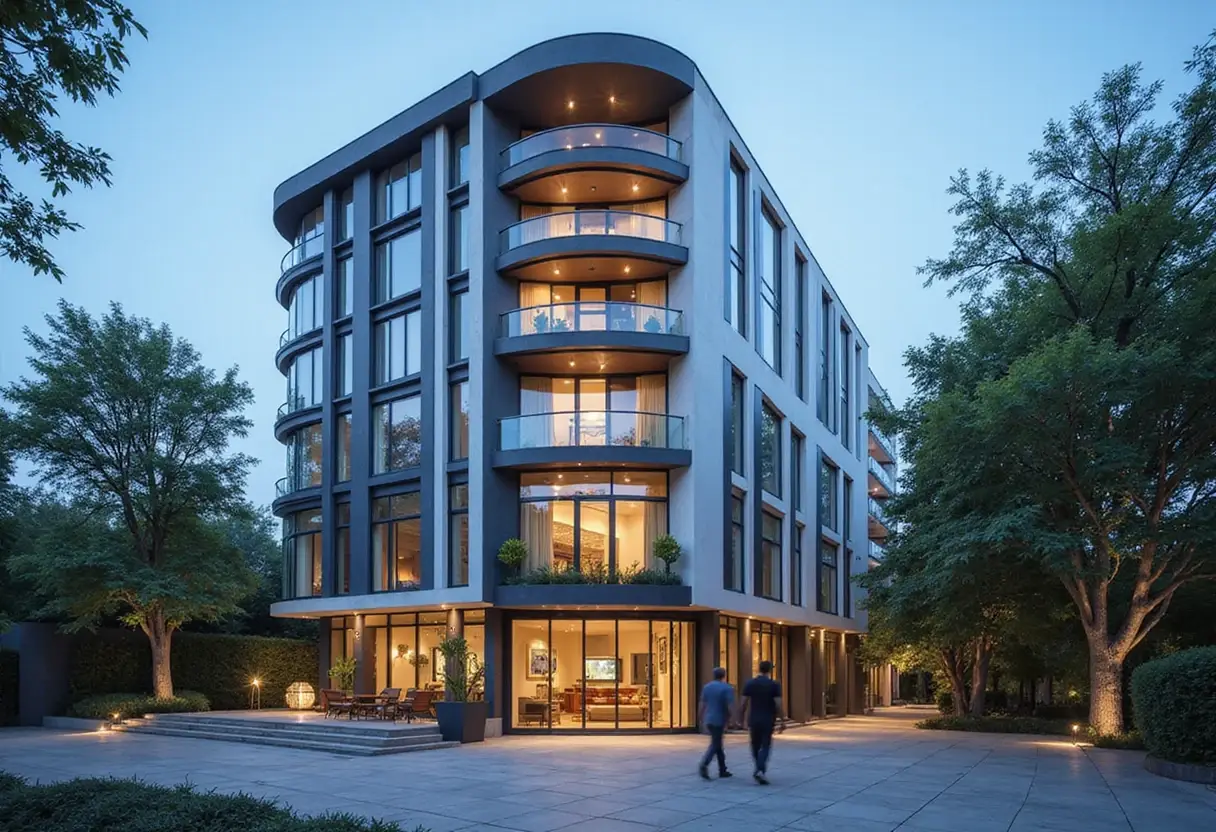
100-room Sand City resort wins rare California coastal approval
King Ventures' approved Sand City plan combines a 100-room hotel and 25 tent cabins with rubble removal, habitat restoration and new public coastal access.

King Ventures won California Coastal Commission approval for a 100-room condominium-hotel and 25 sand-side tent cabins on an eight-acre property in Sand City, a roughly 300-resident Monterey County beach town.
The project, named the Collections Resort, could turn a long-disused sand-mining beach into a major tourist hub. The commission has cleared the development plan. Construction remains a separate matter. Concrete has already complicated the site's history.
What did the commission approve?
King Ventures is the private developer. Its agreement covers:
- Construction of a 100-room condominium-hotel called the Collections Resort.
- A campground with 25 tent cabins set in the sand.
- Removal of rubble across the beach and excavation of a large concrete section along the shore.
- Habitat restoration and long-term maintenance using resort resources.
- Walking paths linking to the 1,200-mile California Coastal Trail.
- Boardwalks, parking and bathrooms.
The eight-acre plan links private development to public access, a practical pairing because the former mine left concrete blocks and restricted use of the beach and dune. The proposal summary discloses no capital cost, room rate, staffing plan or occupancy forecast.
What does the resort fix?
Sand City once operated a bustling sand mine. For years, the former mining beach remained an eyesore, with crumbling concrete blocks from that industrial period. The problem has occupied city leadership throughout Mayor Mary Ann Carbone's 35-year tenure.
“We had to think of a way to get that cleaned up,” Carbone told the Los Angeles Times. “This is a wonderful way to get someone in here to finally do it.”
Kevin Kahn, the coastal commission's Central Coast District manager, said: “The only thing keeping this area from being a prime visitor destination and publicly accessible beach and dune space is the industrial rubble.” He described beachfront approval as quite rare and called the coast extraordinary, with enormous potential.
At an August coastal commission meeting, David Watson, the hotel's project manager, said restoration, public access and long-term maintenance with resort resources could become sources of shared pride. The cleanup is part of the bargain. It is also the main public benefit.
Why did this version advance?
Because the site lacks an Environmentally Sensitive Habitat Area designation under the Coastal Act of 1972, its industrial history removed one major barrier to development review. That status paved the way for development.
King Ventures previously proposed a 340-room version in 2014. The commission rejected it. The developer resubmitted a modified proposal earlier this year. This time, the revised 100-room plan won approval. The decision does not explain how much the lower room count mattered.
What else is changing nearby?
A 215-room Marriott Courtyard opened one block away earlier this year, while Sand City has also approved a commercial building's conversion into a boutique hotel without disclosing a name or room count. Up the beach, plans for the Monterey Bay Shores Resort, described as eco-friendly and sustainable, won approval eight years ago.
An ownership dispute has halted construction. Sand City now has a visible hospitality pipeline, but not every project is moving.
If the resort and cleanup proceed, Sand City would gain 100 hotel rooms, 25 tent cabins, restored habitat and a direct link to the 1,200-mile coastal trail. The approval settles the land-use argument. Delivery and long-term maintenance remain the less photogenic tests.
More from Rebecca Stone
Show full bio
Senior reporter covering technology and product news in Restaurant and hotel operations at The Pass Brief.
599 articles