Yakiniku King App Breach in Japan Hits 10.79 Million Member Records
An unauthorized intrusion into the Yakiniku King loyalty application in Japan exposed 10.79 million member records, according to finance.biggo.com. The chain's loyalty database anchors its repeat-visit economics and likely crosses Japan's APPI disclosure threshold.
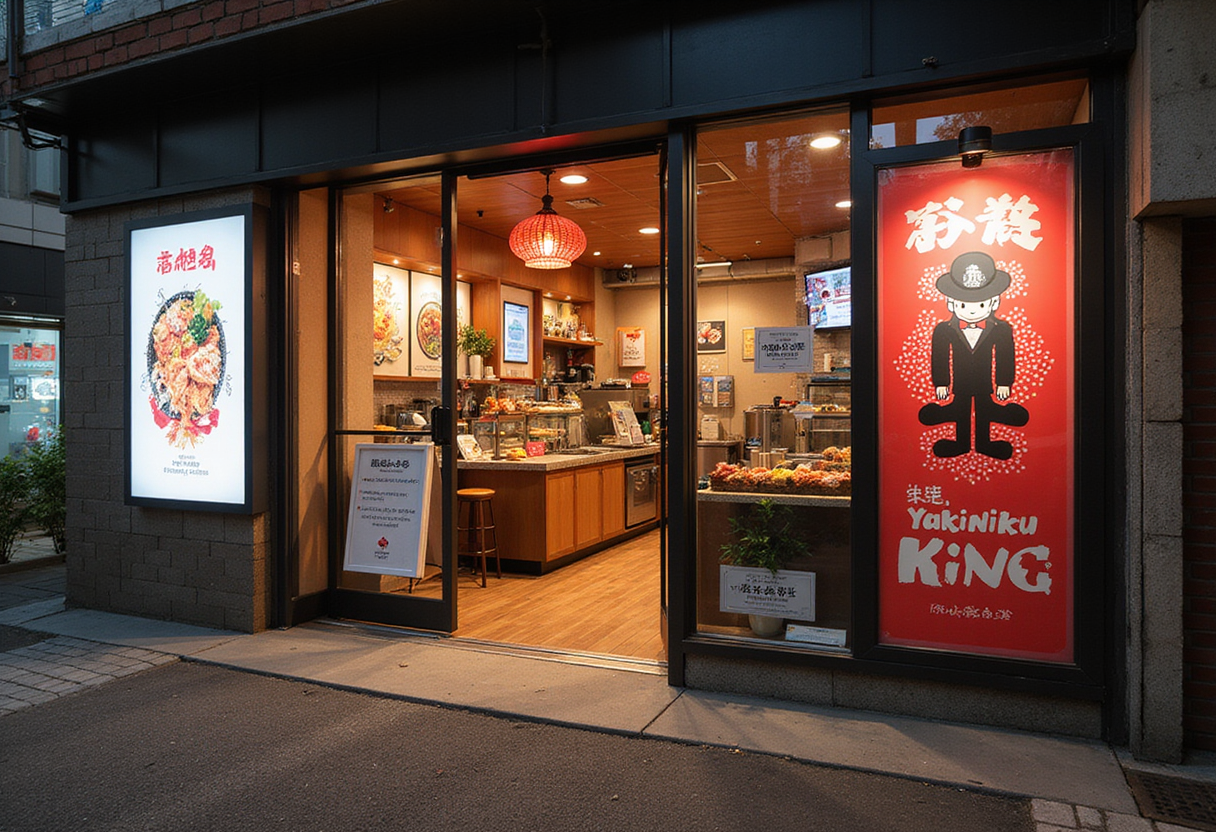
The yakiniku (Japanese-style barbecue) chain Yakiniku King disclosed that an unauthorized intrusion into its membership application compromised 10.79 million customer records in Japan, according to a report published on finance.biggo.com.
The breach — which the headline reporting did not date — has not been publicly attributed, and the chain has not yet released a technical write-up explaining the vector. What is on the record is the scale of the file. The exposure places Yakiniku King among the larger loyalty-file incidents tied to a single casual-dining concept reported in the country to date.
What does the breach cover?
The source reporting names a member-record database but does not enumerate the fields exposed. Restaurant loyalty files typically carry name, email, birthdate, gender, postal code, phone number, hashed password and transaction history.
Until Yakiniku King publishes the schema, the regulatory classification shifts on which fields sat in the affected table — and on whether payment-related data was in scope.
How big is 10.79 million?
Japan's working-age population sits near 74 million. A pool of 10.79 million members therefore captures roughly one in seven adults in the country.
That footprint almost certainly crosses the threshold Japan's Act on the Protection of Personal Information (APPI) treats as a "large number of persons." That triggers mandatory disclosure to the Personal Information Protection Commission and potential on-site inspection.
What does it cost a chain?
Restaurant operators running app-first loyalty programs absorb the bill in three places:
- Incident-response forensics and outside legal counsel
- Member-side remediation, including credit-monitoring offers, forced password resets and surge staffing for the contact center
- The reputational dip that compresses active-user rates and lengthens re-acquisition spend
Class-action exposure in Japan has historically trailed U.S. practice, but APPI penalties, prefectural consumer-center complaints and the cost of winning back disaffected members stack against already thin casual-dining margins.
Why does this matter for operators outside Japan?
The breach lands at a moment when chains from quick-service to family-dining are converting guest relationships into owned app channels. A single-point failure at the database layer now carries the same magnitude of exposure that card-processors once did. Multi-brand groups that run a shared member platform — common in Japan's keiretsu-style restaurant holding companies — should treat this case as a reminder to inventory which brands sit on which database cluster.
What is the data worth — and what is lost?
Loyalty files are not only a privacy liability; they are the working asset behind menu targeting, couponing and frequency lift. Yakiniku King and similar chains use the member file to drive visit frequency through birthday offers, regional push notifications and tier-based perks.
A mass opt-out triggered by a breach notice compresses the very database that produced the chain's repeat-visit economics, and rebuilding the consented portion typically takes multiple fiscal years of paid re-engagement.
What changes for affected members?
Yakiniku King has not publicly issued account-reset instructions in the materials reviewed here. Operators handling past exposure of this scale typically push mandatory password resets, force re-authentication on next sign-in and email members with a breach-notification letter under APPI timelines.
How does this compare to other restaurant breaches?
The 10.79-million-member scale puts the Yakiniku King intrusion among the larger single-brand loyalty exposures recorded across the restaurant sector. Chains in Asia, North America and Europe have each absorbed breach-related costs in recent years, though the per-record cost of remediation varies sharply by jurisdiction, data type and breach vector.
The report cites finance.biggo.com and links to a news.google.com aggregator entry; the chain's own investor or press page has not appeared in the source as of publication. That sequencing — a third-party financial outlet breaking first while operator communications trail — is itself a signal about the speed gap between detection, forensics and public disclosure in large restaurant breaches.
Expect a fuller notification from Yakiniku King once internal forensics settle the breach window, followed by an APPI filing once statutory clock windows open.
More from Rebecca Stone
Show full bio
Senior reporter covering technology and product news in Restaurant and hotel operations at The Pass Brief.
411 articles