World Cup Lift for Restaurants? Operators Shouldn't Bank On It
Restaurant Business asks whether the World Cup lifts restaurant sales. Its answer: it depends on format, with sports-viewing concepts capturing the crowd and others seeing little lift.
Restaurant Business Magazine has put a direct question to the industry: will the World Cup be a boon for restaurants? Its answer, in the headline itself, is "that depends" — a signal that the expected sales bump is not evenly distributed across the segment.
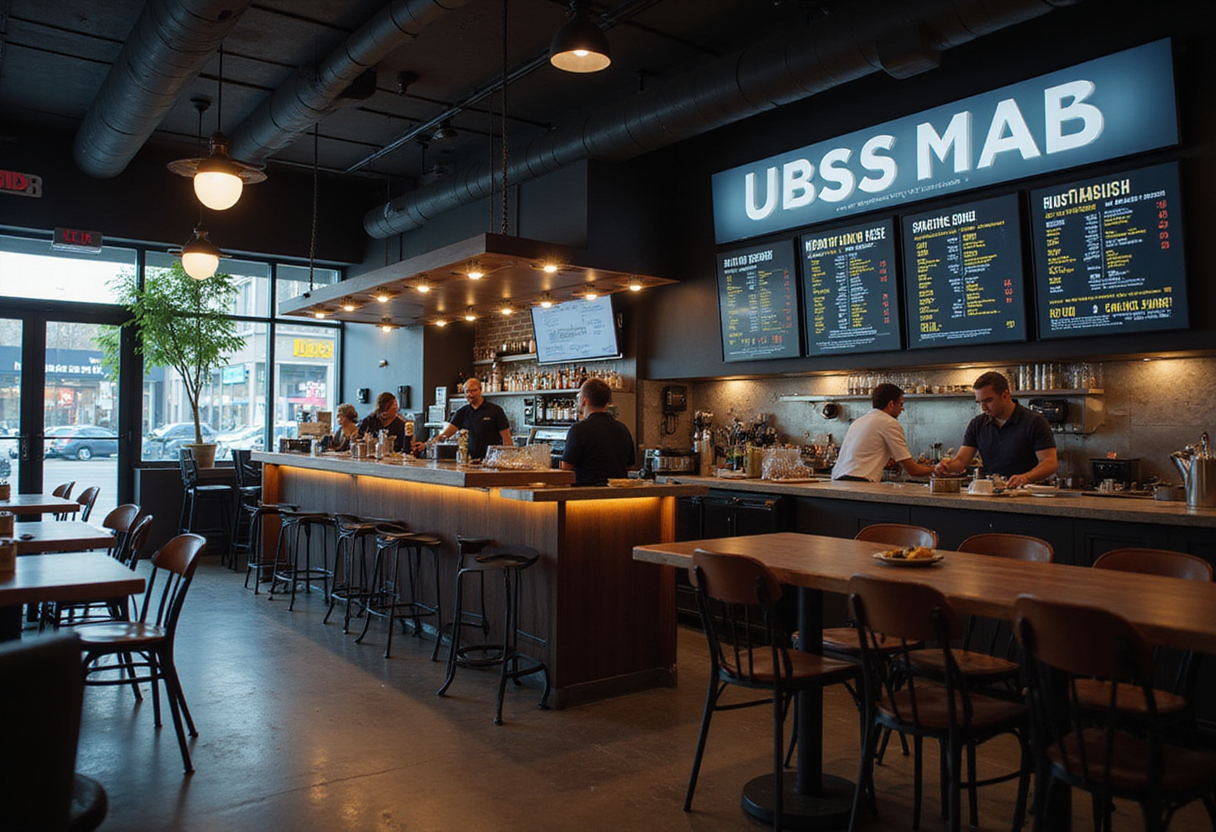
That framing matters for operators planning June staffing and inventory. Big televised sporting events tend to concentrate spending rather than create it. Sports bars and casual chains with large screens and beer programs capture the crowd. Fine dining, quick service without viewing areas, and delivery-led concepts often see little change, or even a dip, while regular guests stay home to watch.
What does this change for operators?
The practical question is allocation, not celebration. If the tournament does move traffic, it moves it toward venues built for group viewing — big tables, flexible seating, fast drink service and food that survives 90 minutes of grazing. Operators in that box can justify extra ordering, extra labor on match days and World Cup-specific promos.
Operators outside it face a different calculation. Discounting into an event your format can't serve mostly buys low-margin traffic. The more defensible play is timing: match-day lunch shifts, delivery bundles aimed at home viewers, or simply holding margins steady and letting the sports bar segment absorb the spike.
The conditional nature of the boost also cautions against aggressive one-off investment — temporary patio screens, extended hours, licensed early-morning service for overseas kickoffs — unless the operator has event-day data from prior tournaments to justify it.
Restaurant Business's underlying point stands: the World Cup is a demand reshuffler more than a demand creator. Chains and independents that treat it as targeted incremental business, rather than a rising tide, are the ones positioned to actually convert it.
How each segment performs once the tournament kicks off will show up in the summer sales data — and in which operators plan the next one differently.
More from Olivia Hart
Show full bio
Staff writer covering regulation, policy and their impact on Restaurant and hotel operations at The Pass Brief.
342 articles