Wing Wholesale Prices Fall, But Operators Hold Menu Prices Steady
Wholesale chicken wing prices are falling, but operators are not passing the savings to guests. Fox News highlights the menu price stickiness pattern, the franchise math that locks in prices, and what consumers will see instead of menu cuts.
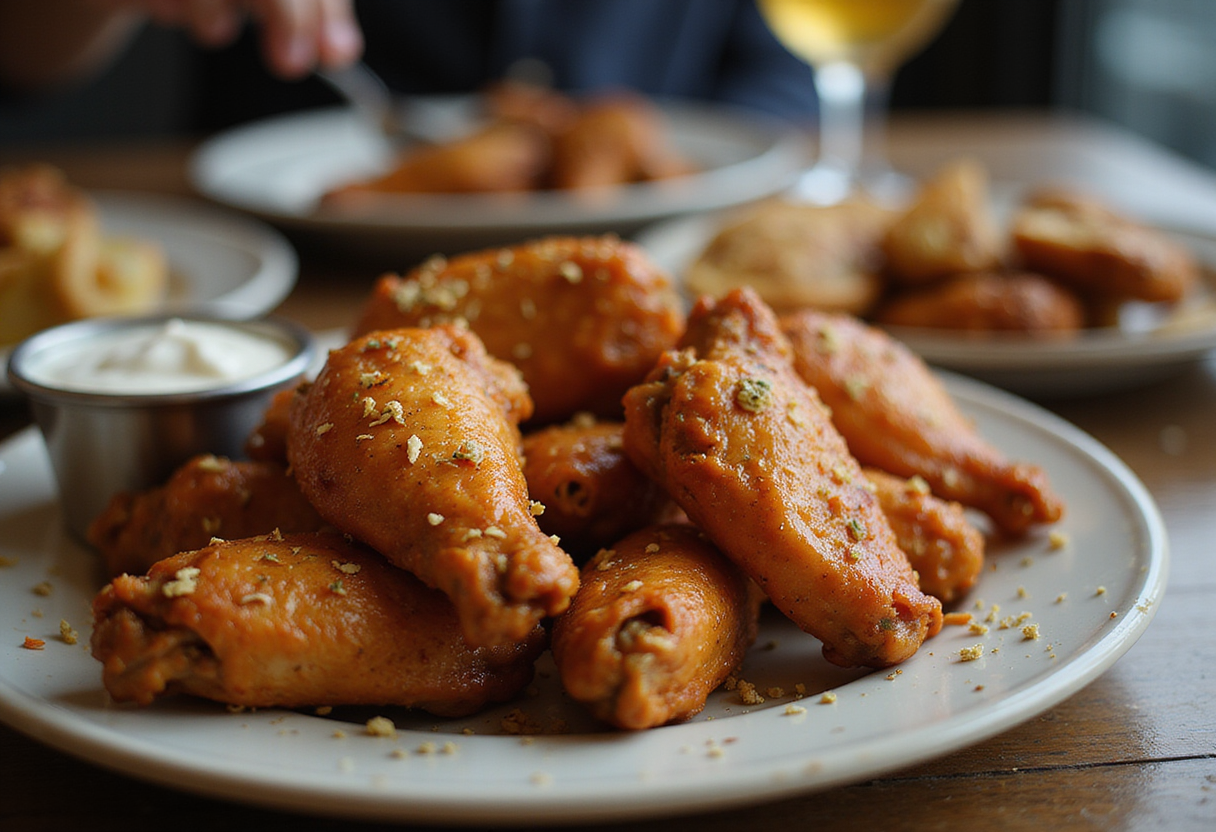
Wing wholesale prices are falling. Restaurant menus have not moved. That gap, reported by Fox News, is the textbook version of menu price stickiness — the operator's reluctance to lower printed prices after input costs ease.
The pattern is familiar to anyone who tracks commodity cycles in foodservice. Wing costs spike around the Super Bowl, during playoff runs, and after avian-influenza disruptions. They decline just as predictably. The guest rarely sees the relief on the printed menu.
What does wing cost actually mean to a check?
Wings are a small share of the typical bar-and-grill food basket — often under 15%. The other 85% covers proteins, produce, dairy, and beverages, all of which kept climbing through 2024. A wing discount does not reset that broader cost structure.
Why won't operators reprint the menu?
A menu reprint carries real cost. Operators price in design, plate-laminate work, table-card updates, and staff retraining. Few will reopen a menu for a 30-cent wing reduction that may reverse in six months. The reprint cost can exceed the savings for the quarter.
Where does the savings actually go?
Most operators bank the spread as contribution margin — the portion of each sale that covers fixed costs after variable costs. That is the rational play. Wings are cyclical. An operator who cuts now risks reprinting again.
For franchisees, the math tightens further. Royalty structures and advertising fund contributions are tied to gross sales. A printed wing discount shrinks the base against which those percentages are calculated. The discount is not free money to the franchisee. It is foregone contribution.
The labor side compounds the hold. Kitchen and service wages continued climbing through the recent period. A lower food cost gets absorbed into a higher labor percentage. The four-wall margin — the operator's net profit after all restaurant-level costs — barely shifts even with cheaper wings.
What should guests expect instead?
Promotions will return before price cuts. Limited-time offers, sports-tied bundles, and two-for-one nights are the operator's preferred release valve. They let the chain advertise value without resetting the printed price.
Formats likely to surface first:
- "Wing Mondays" at promotional per-wing pricing, regional rollouts
- Bundle tickets: 20 wings plus sides plus a pitcher for a fixed amount
- Loyalty-app double-point nights tied to wing categories
These vehicles capture the same demand elasticity — how guest purchases shift with price changes — as a menu cut. They also expire on schedule.
The bigger question is sustainability. A guest who notices lower wholesale prices but unchanged menu prices will eventually ask why. The operator's answer, fairly, is that wings are a small, volatile share of cost. The remainder of the basket is still climbing.
The verdict: wings are down. The check is not. Operators will keep the spread, run wing nights to keep traffic moving, and wait for the next commodity cycle to test the menu again.
More from Rebecca Stone
Show full bio
Senior reporter covering technology and product news in Restaurant and hotel operations at The Pass Brief.
332 articles