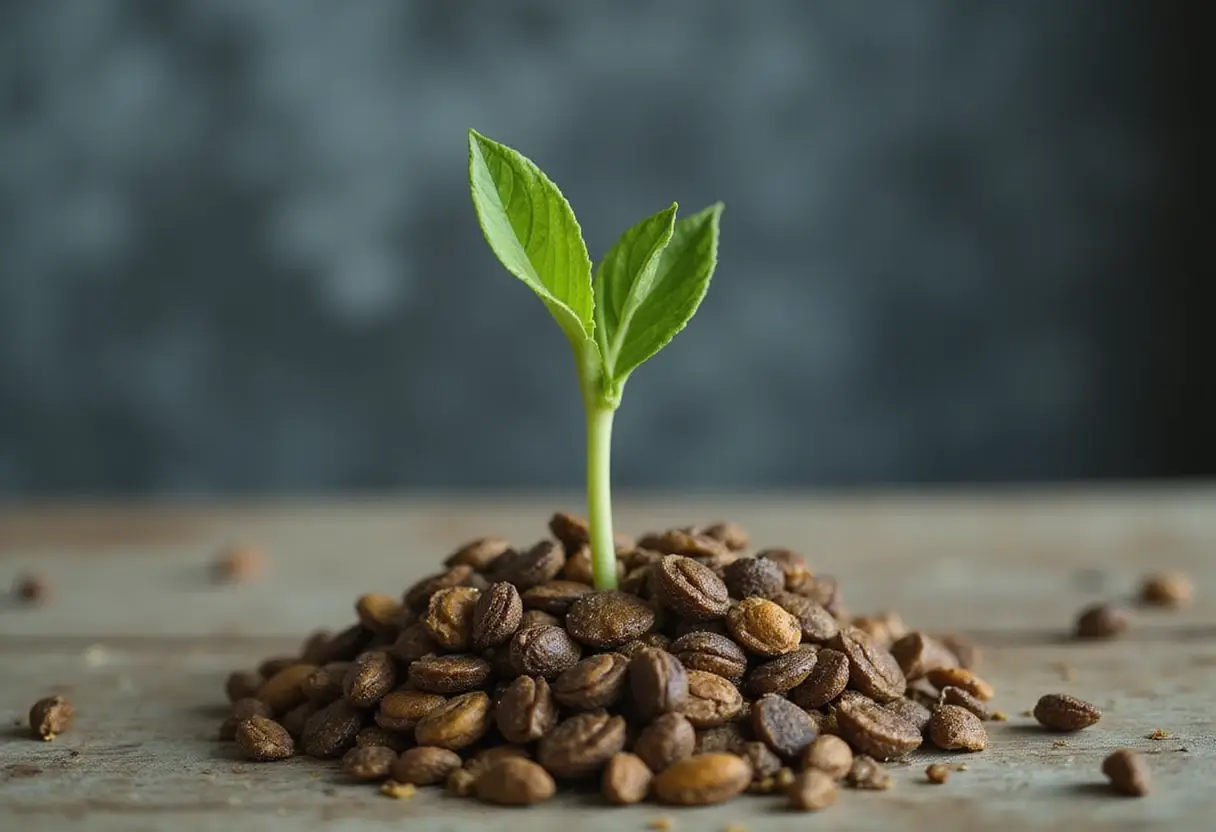
Wild West Seed Recalls 9,476 Pounds of Broccoli Sprouting Seeds Over Salmonella
Wild West Seed of Albany, OR is recalling 9,476 pounds of broccoli sprouting seeds across two lots after Salmonella contamination, reaching 11 states and the UK.

Wild West Seed Inc. is recalling 9,476 pounds of broccoli sprouting seeds — nearly 10,000 pounds — because of Salmonella contamination. The Albany, Oregon, firm confirmed the recall covers two lots distributed across 11 U.S. states and the United Kingdom.
The affected products are:
- Broccoli Seeds Green Sprouting Calabrese, lot #4105, packaged in 50-pound bags
- Wild West Seeds Broccoli Waltham29 Seeds, lot #4475, packaged in 50-pound bags
The seeds reached customers in California, Florida, Georgia, Idaho, Maryland, Maine, North Carolina, Oregon, Pennsylvania, Texas, Utah, and the United Kingdom. That distribution footprint matters for foodservice buyers: sprouting seeds move through supply chains in bulk, and one 50-pound bag can seed production across multiple outlets.
How did customers find out?
Wild West Seed notified its customers by letter. The company did not post a news release about the recall, which means the public record of this action is thinner than in most recall events.
That's the practical question here: what does this change for operators who bought these lots? The answer is straightforward — anyone holding Calabrese lot #4105 or Waltham29 lot #4475 should stop using the seeds immediately and check purchase records against the lot numbers, since direct letters are the only notification channel the company has used.
Why sprouting seeds carry outsized risk
Salmonella on sprouting seeds is a familiar hazard for food safety regulators. Sprouts grow in warm, moist conditions that are ideal for bacterial multiplication, so contamination present on seeds can amplify rather than stay flat during production. That mechanism is why sprout seeds have historically drawn scrutiny disproportionate to their volume.
A 9,476-pound recall translates to roughly 190 fifty-pound bags in circulation across two lots. For context, that's small against national seed supply, but sprouting operations concentrate their purchases, so the exposure per bag is high.
The recall sits inside a busy food safety cycle
The Wild West Seed action is one of several active recalls tracked by food safety monitors. Other current events include:
- Krasnyi Oktyabr Inc. of Brooklyn, NY, voluntarily recalling STARFISH SEAFOOD PREMIUM COLD SMOKED NORWEGIAN SALMON SLICED after the product tested positive for Listeria monocytogenes.
- Lidl US recalling one lot of Gelatelli Coffee & Vanilla Gelato with Coffee Sauce & Cookie Pieces after testing showed Listeria monocytogenes contamination.
- Kayem Foods Inc. of Chelsea, MA, recalling more than 1.5 million pounds of ready-to-eat meat and poultry products over possible temperature abuse.
- Family Farmstead Dairy of Worcester, NY, recalling raw milk cheddar cheese over possible E. coli O157:H7 contamination.
The Food and Drug Administration also continues to update and modify its import alerts as a tool for enforcing U.S. food safety rules on food from foreign countries.
For operators, the takeaway is inventory discipline: verify lot numbers against supplier notices, because in this case the letter — not a press release — is the only trail.
More recall details, including any expansion of the affected lots or distribution scope, will depend on follow-up from Wild West Seed and regulators.
More from Olivia Hart
Show full bio
Staff writer covering regulation, policy and their impact on Restaurant and hotel operations at The Pass Brief.
558 articles