Tujague's at 170: How New Orleans' Oldest Bars Reengineer Heritage Cocktails
Tujague's, New Orleans' second-oldest restaurant, marks 170 years with $1.70 mini Grasshoppers. Operators at the 1856 French Quarter landmark and the Sazerac Bar balance preservation with menu reinvention.
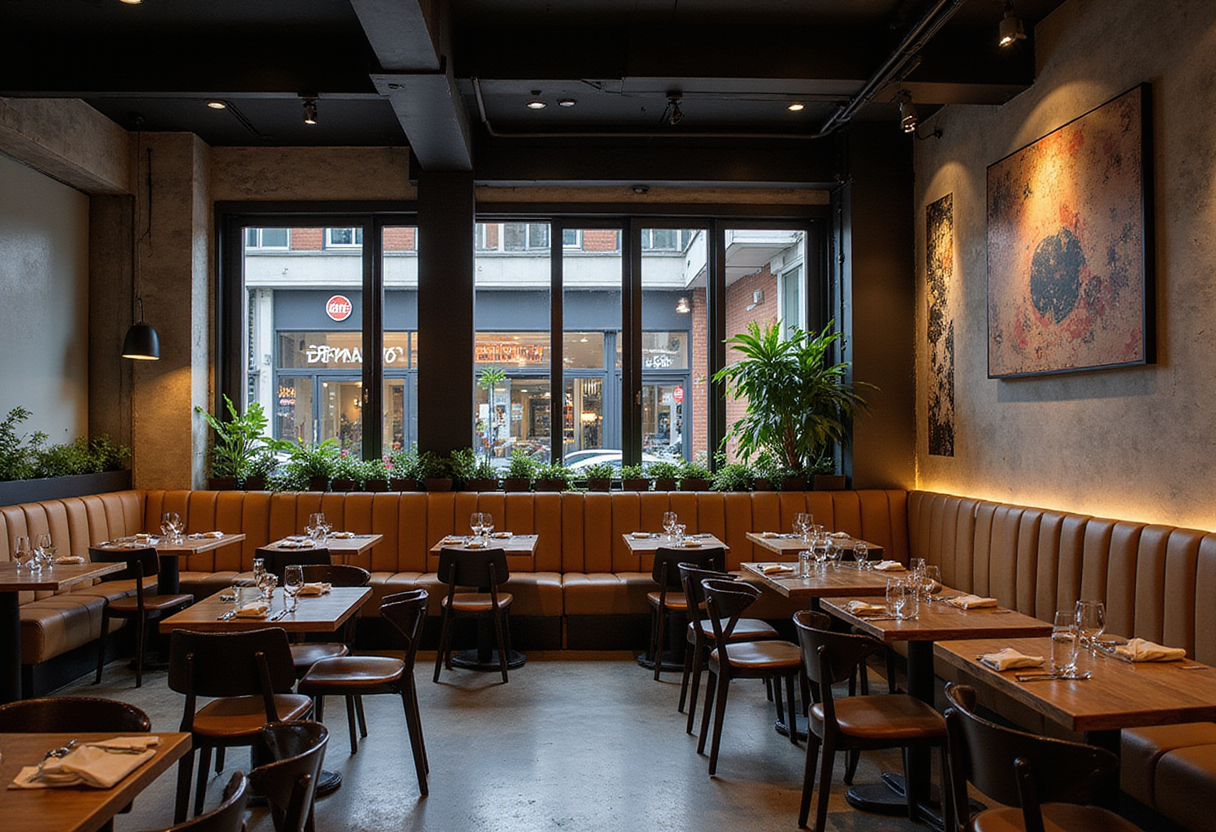
Tujague's, New Orleans' second-oldest restaurant and the country's third-oldest continuously operating restaurant, turns 170 this year — and the 1856 French Quarter landmark is marking the milestone with $1.70 mini Grasshoppers.
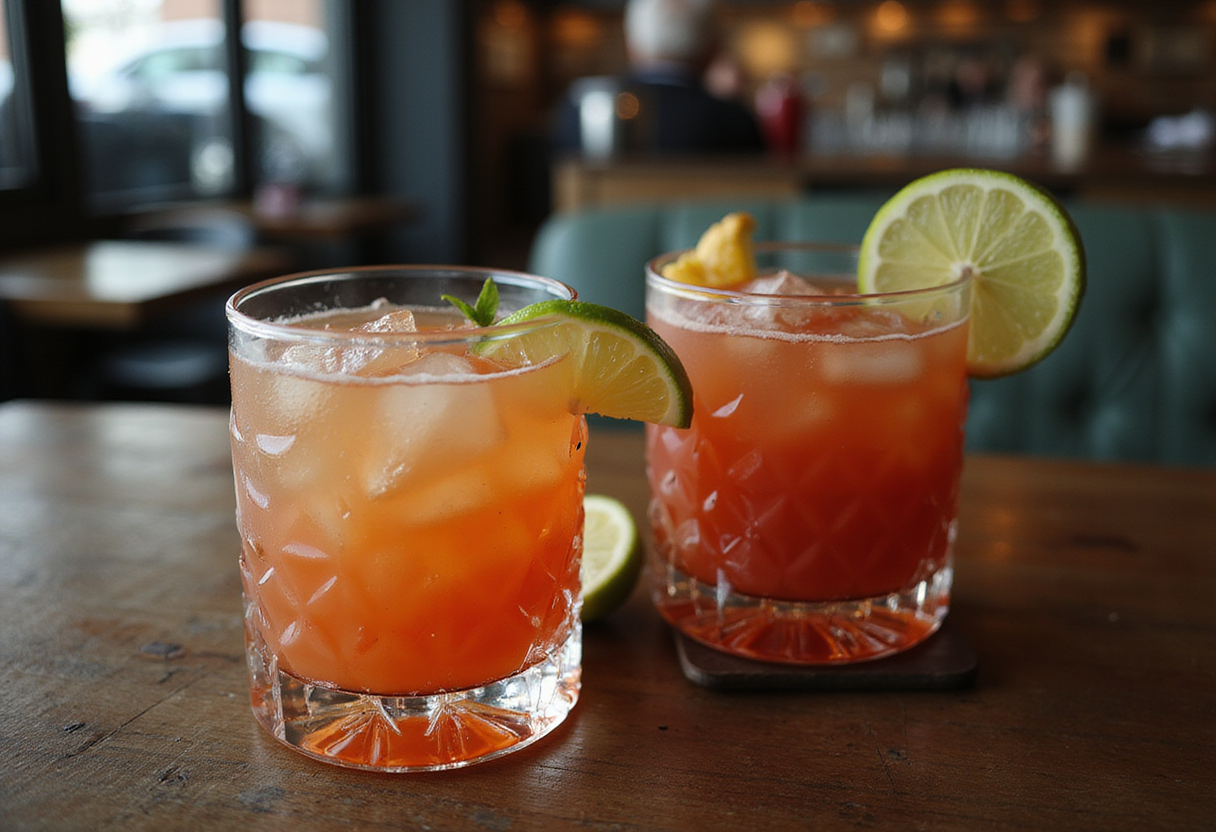
That's the mint-and-chocolate after-dinner cocktail introduced in 1918 by Philip Guichet, whose family then owned the restaurant. The Grasshopper, made with green crème de menthe, white crème de cacao, and heavy cream, remains Tujague's top-selling drink.
"It's still our leading-selling cocktail, which is surprising because it has a lot of cream and it's a little heavier," Mark Latter, founder and CEO of Latter Hospitality, said.
Latter's family connection to Tujague's stretches back to 1982, when his father and uncle began operating the restaurant. He took over as owner in 2013.
How does the 170th anniversary shape the beverage program?
The $1.70 mini Grasshopper is a deliberate entry point. Tujague's wants first-time guests to try the drink that has anchored its cocktail menu for more than a century. The team has also built Grasshopper-inspired desserts, including pie, panna cotta, and cheesecake, layering the cocktail across the check rather than confining it to the bar.
Beyond the anniversary, the broader beverage strategy runs on riffs. "Whether it's the food menu or the cocktail menu, we try to do a riff on classics," Latter said. The Iris 75, built on the French 75 with purple Empress Gin, ties the drink to the restaurant's Krewe of Iris room, named for the city's oldest all-female Mardi Gras parade.
The format gives the operator a way to monetize a long-running brand without freezing the menu. Small variations on familiar drinks also pair more naturally with dinner service, where the check average and pace favor lower-ABV or sessionable pours over showpiece cocktails.
What is the Sazerac Bar's approach to historic recipes?
Across town at the Sazerac Bar in The Roosevelt New Orleans, the playbook is similar but stricter. The bar opened in 1938, and its namesake Sazerac reaches back to the 1850s Sazerac Coffee House, where owner Aaron Bird began importing Sazerac-de-Forge et Fils cognac and pairing it with Peychaud's bitters.
Matt Schulte, assistant food and beverage director at The Roosevelt, treats the original recipes as untouchable. The Sazerac and Ramos Gin Fizz stay on the menu as they have been served for generations. For many guests, having a Sazerac at the Sazerac Bar is "almost like a pilgrimage," Schulte said.
"What I love is that after all these years, the drink itself remains remarkably simple," he said. "There aren't many places for a bartender to hide. Technique matters."
Where does the menu evolve?
The signature list carries the experimentation. The Butterfly Effect combines Mijenta Reposado Tequila, mezcal, Calpico, hibiscus, lemon, and rosemary, finished with an edible Electricdust butterfly that adds a tingling sensation across the palate. Other signatures pull from local ingredients, historic recipes, or recognizable threads from classic cocktail culture.
"We're not trying to put something on the menu just because it's trendy or because nobody has done it before," Schulte said. "We actually like the idea that somebody has done it before, and we're carrying their idea forward in our own way."
His operating philosophy: "to honor our history without being trapped by it." The bar runs a Ramos Gin Fizz and a Butterfly Effect on the same list — two sides of the program. "One lets our guests experience the history of New Orleans cocktail culture," Schulte said. "The other gives them a glimpse of where it can go next."
What beverage trends are these operators tracking?
Both Latter and Schulte see the same shifts across the broader market. Wine consumption is softening, tequila and agave spirits are gaining share, and cocktail design increasingly tilts toward shareable or social-media-ready presentations.
At the Sazerac Bar, Schulte pointed to a more granular change: guests arrive with working knowledge of specific producers, additive-free tequila, single-barrel whiskey, and amaros, and they want to know what is in the glass. He also expects the industry to keep pulling back from over-built cocktails.
"I think the pendulum is swinging back toward simplicity, quality, and intentionality," Schulte said.
Latter agreed. "Your menu has to constantly evolve," he said. "All the historic restaurants in New Orleans have done this."
For both operators, the line between preservation and reinvention runs through the recipes, the service standards, and the stories attached to each glass. Schulte's framing: "Don't confuse tradition with refusing to change."
The next test for Tujague's and the Sazerac Bar is whether the anniversary programming and the signature cocktails can keep driving cocktail covers and per-check spend once the marketing moment passes — and whether the rest of the city's heritage operators follow the same playbook.
More from Daniel Okafor
Show full bio
Correspondent covering consumer brands and retail at The Pass Brief.
216 articles