TSA Will Screen 17.8 Million Travelers, and Your Gravy May Not Make It
TSA expects to screen 17.8 million travelers over Thanksgiving 2025. Solid food clears carry-on; anything that spills, spreads or pours over 3.4 ounces gets checked — or surrendered.
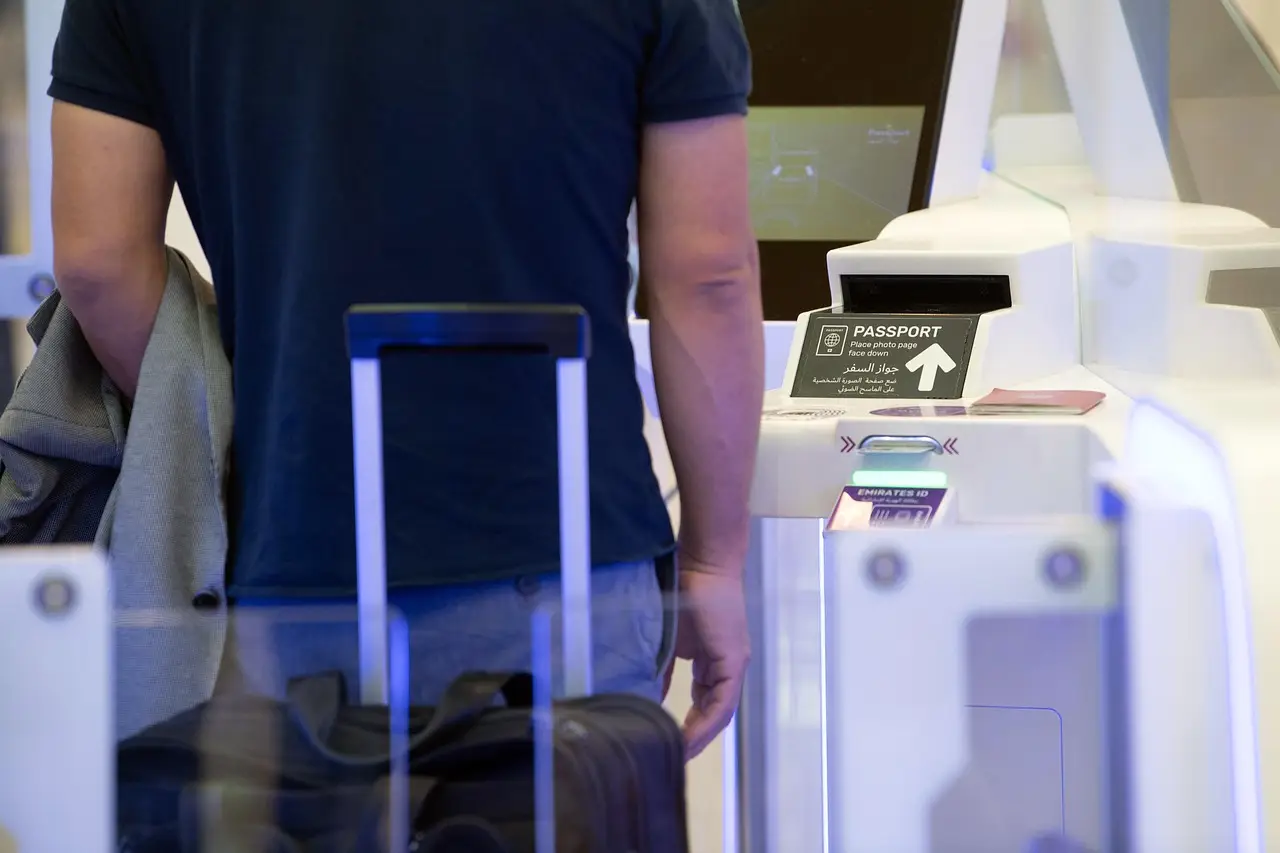
The Transportation Security Administration expects to screen more than 17.8 million people between Nov. 25 and Dec. 2, 2025, and a fair number of them will be carrying dinner. Some of that dinner will not survive the checkpoint. More than 3 million travelers are projected for the Sunday after Thanksgiving alone, a day TSA expects to rank among the busiest in agency history.
The dividing line is behavior, not category. TSA's food rule asks whether an item can spill, spread, spray, pump or pour. Solid food goes through in a carry-on. Anything that fails the test and holds more than 3.4 ounces (100 milliliters) belongs in a checked bag.
The results can look arbitrary. A casserole clears security while the gravy beside it gets stopped. Fresh cranberries ride in the overhead bin; cranberry sauce, homemade or canned, does not, because it spreads. The officer at the checkpoint makes the final call on any item.
What clears the checkpoint?
Plenty, as it turns out. Under TSA's 2025 holiday guidance:
- Turkey and other solid meats, cooked or frozen, in either bag; TSA's listing also permits cooked meat in checked luggage.
- Pies and baked goods, homemade or store-bought.
- Stuffing, cooked or uncooked, and mac and cheese baked in a pan — or the dry ingredients, cooked at the destination.
- Fresh fruit and vegetables: apples, pineapple, yams, potatoes, green beans, Brussels sprouts.
- Candy and spices.
Solid does not mean frictionless. Food in a carry-on often triggers extra screening, so TSA recommends packing it where it can be reached and removed separately. Officers may ask travelers to separate food that clutters a bag and blocks a clear X-ray image. The agency's holiday tips start with an empty bag, and TSA advises confirming with the airline that carry-on food fits in the overhead bin or under the seat.
What falls under the liquid rule?
Any liquid or semi-liquid component obeys the 3-1-1 rule: containers of 3.4 ounces or less, all fitting in one quart-sized, clear, resealable bag. TSA's gravy listing follows the split — 3.4 ounces or less in a carry-on, larger amounts checked.
The same logic captures a longer list:
- Canned fruit and vegetables, because the liquid inside the can counts.
- Jams and jellies, treated like cranberry sauce.
- Maple syrup.
The rule applies to every traveler at every U.S. checkpoint, holiday or not.
How do wine and champagne travel?
In the checked bag, with limits set by alcohol content. Beverages at 24% alcohol or less face no cap in checked luggage, per TSA's alcohol listing. Anything above 24% and up to 70% is limited to 5 liters per passenger and must stay in unopened retail packaging. In a carry-on, mini bottles must fit comfortably in a single quart-sized bag.
One more restriction comes from the FAA: passengers may not drink their own alcohol on board unless the airline serves it. TSA also advises checking with the airline before bringing any alcohol at all.
What about cold food and dry ice?
Meat and other non-liquid food can travel in either bag, but ice packs pass the checkpoint only if completely frozen at screening. Slightly slushed gel packs get turned away.
Dry ice is permitted in carry-on and checked bags with airline approval. The FAA caps it at 5.5 pounds per passenger, in a vented package; a checked package must also be marked.
USDA food-safety guidance fills in the rest. Most bacteria multiply rapidly between 40 and 140 degrees Fahrenheit, and food becomes unsafe after about two hours in that range — one hour at 90 degrees or above. The recommendation: several inches of ice or frozen gel packs, overnight refrigeration or freezing before departure, and watertight containers so food does not sit in meltwater. Anything in a cooler that has run out of ice should be discarded.
Who decides?
The officer. Items that break the rules risk being surrendered at the checkpoint, and TSA's guidance is blunt about the hierarchy: travelers should listen to instructions from officers, and the TSA officer makes the final decision on any item.
The practical hedge is simple. Pack the questionable dish in a checked bag before leaving home, and the decision never reaches the checkpoint.
More from Rebecca Stone
Show full bio
Senior reporter covering technology and product news in Restaurant and hotel operations at The Pass Brief.
711 articles